
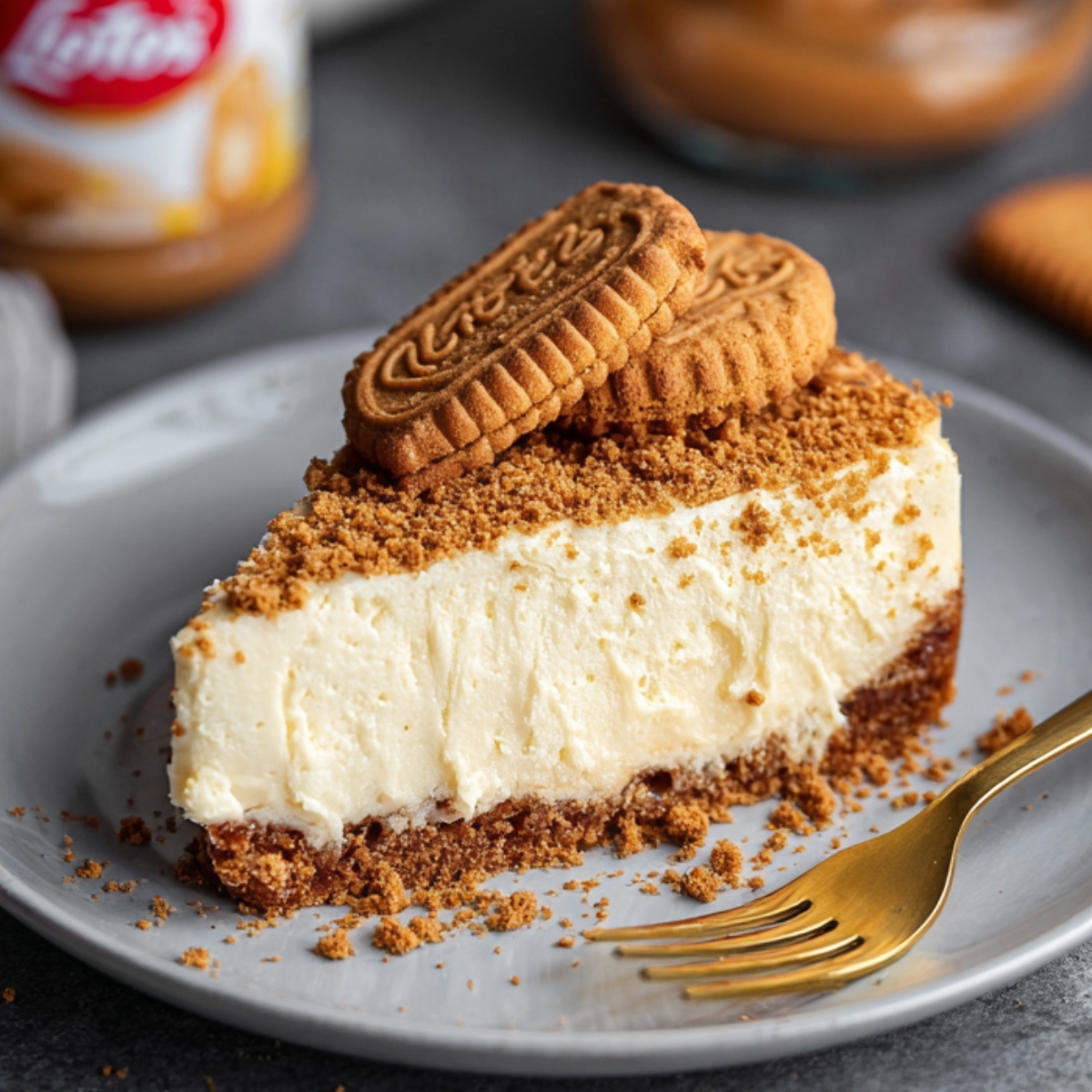
Creamy, silky cheesecake layered over a caramelized cookie crust, topped with rivers of golden Biscoff spread. The first time I made this Lotus Biscoff Cheesecake, I couldn't stop sneaking bites straight from the pan. There's something about that buttery, spiced cookie flavor mixed into cheesecake that just works. It's surprisingly easy to put together, and the results taste like something you'd order at a fancy bakery.
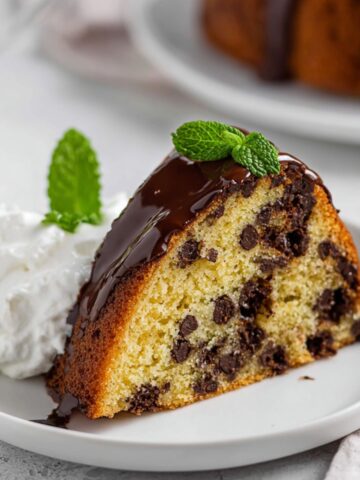
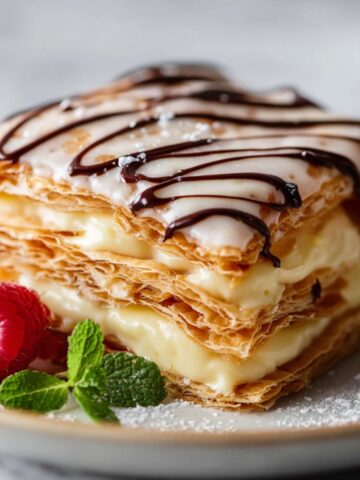
If you love rich, show-stopping desserts like Biscoff Cookie Butter Cake Recipe or creamy layered treats like Mille Feuille Recipe, this one belongs on your list. Serve it chilled with a cup of coffee, and watch it disappear.
Why You'll Love This Lotus Biscoff Cheesecake
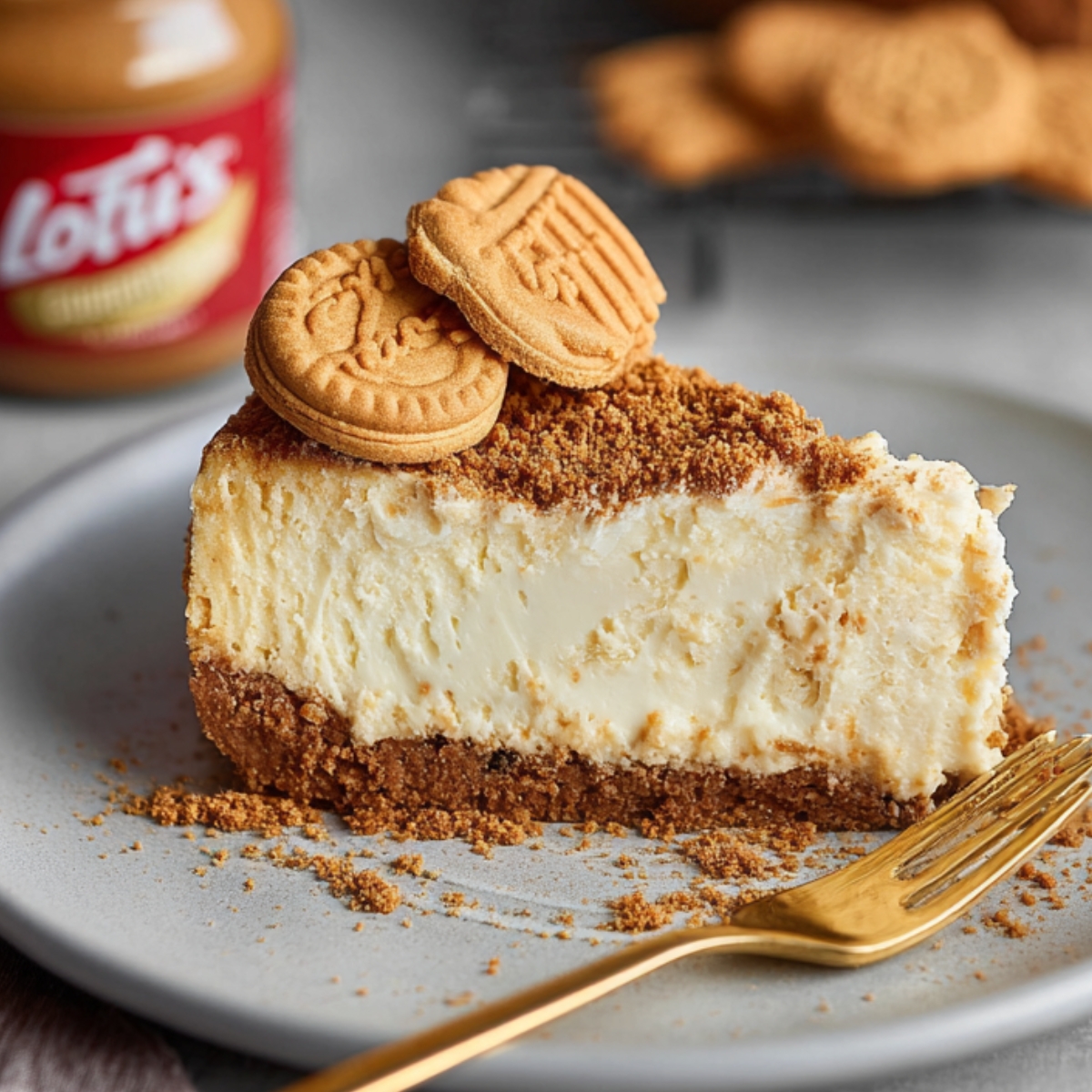
This Lotus Biscoff Cheesecake hits all the right notes. The crust is crunchy and packed with warm cinnamon spice, while the filling bakes up smooth and dense without any cracks. The Biscoff spread on top adds a caramel-like sweetness that melts into every slice. It's rich enough to feel special but straightforward enough for a weekend baking project. You don't need fancy techniques or hard-to-find ingredients. Just cream cheese, Biscoff biscuits, and a little patience while it cools.
Jump to:
Lotus Biscoff Cheesecake Ingredients
Here's what you'll need to make this Lotus Biscoff Cheesecake from scratch.
See Recipe Card Below This Post For ingtedient Quantites
For the crust:
- Digestive biscuit or graham cracker crumbs: Adds a neutral, lightly sweet base that balances the spiced Biscoff flavor.
- Biscoff (Lotus) biscuit crumbs: Brings that signature caramelized, cinnamon-spiced taste right into the crust.
- Melted butter: Binds the crumbs together and adds richness. Use unsalted if you prefer to control the salt level.
- Cinnamon: Deepens the warm, spiced flavor of the crust.
For the cheesecake filling:
- Cream cheese: The heart of any cheesecake. Make sure it's fully softened so your filling stays smooth and lump-free.
- White sugar: Sweetens the filling and helps create that creamy, dense texture.
- Whole fat milk: Adds moisture and helps the batter come together without making it too heavy.
- Eggs: Bind everything and give the cheesecake structure. Room temperature eggs mix in more easily.
- Full-fat sour cream: Adds tang and keeps the filling extra creamy.
- Vanilla extract: A touch of vanilla rounds out the flavors.
- All-purpose flour: Stabilizes the filling and prevents it from cracking as it bakes.
For the topping:
- Biscoff Lotus spread: Melted and poured over the top for that glossy, caramel-cookie finish.
- Biscoff biscuits: Crumbled or placed whole on top for decoration and extra crunch.
How to Make Lotus Biscoff Cheesecake
Let's walk through each step so your Lotus Biscoff Cheesecake turns out smooth, creamy, and beautiful.
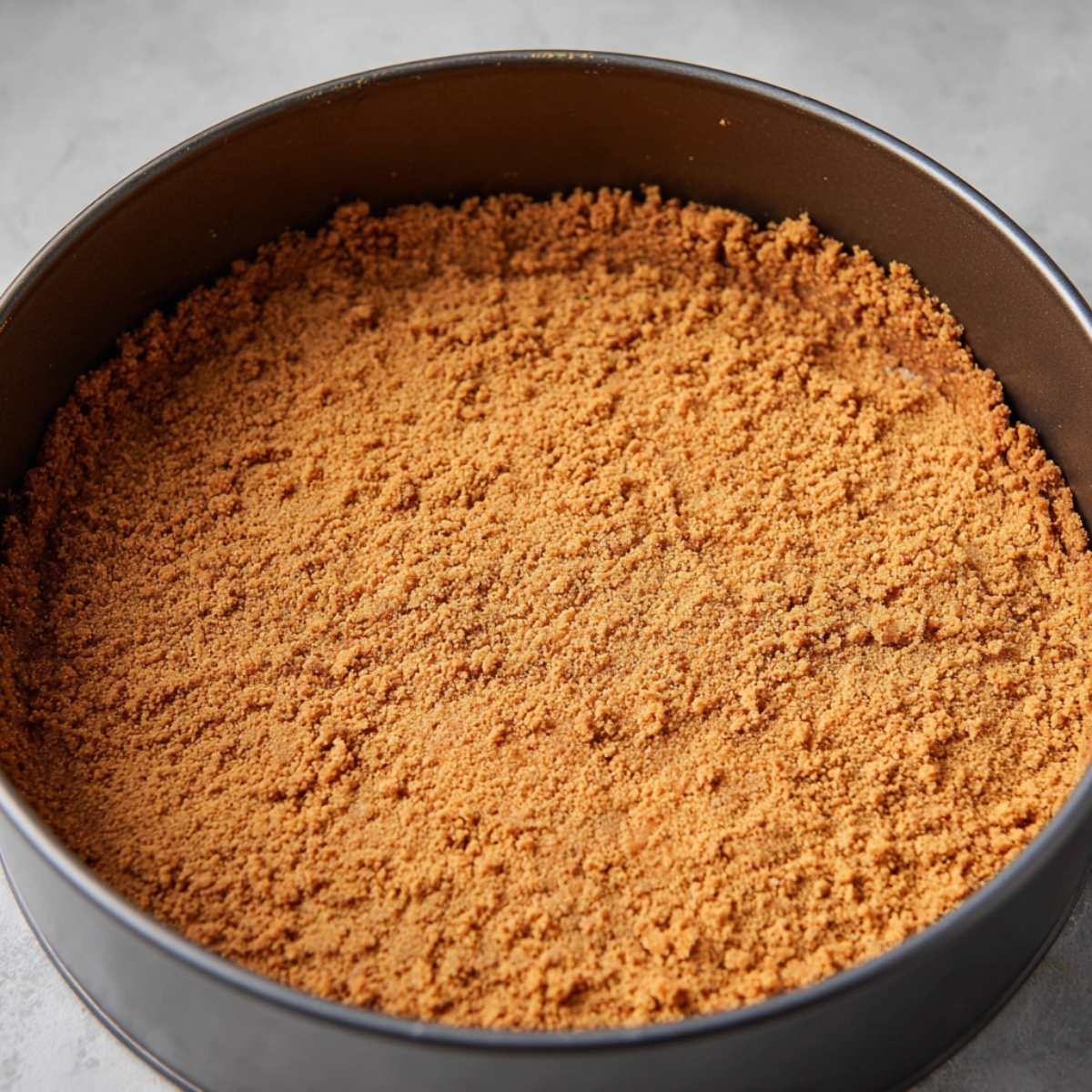
Make the crust: In a medium bowl, mix together the digestive crumbs, Biscoff crumbs, melted butter, and cinnamon with a fork until everything looks like wet sand. Press the mixture firmly into the bottom and up the sides of a greased 9-inch springform pan, using the bottom of a measuring cup to pack it down tight. Pop the pan in the fridge while you make the filling.
Preheat the oven: Set your oven to 350°F (180°C) so it's ready when your filling is mixed.
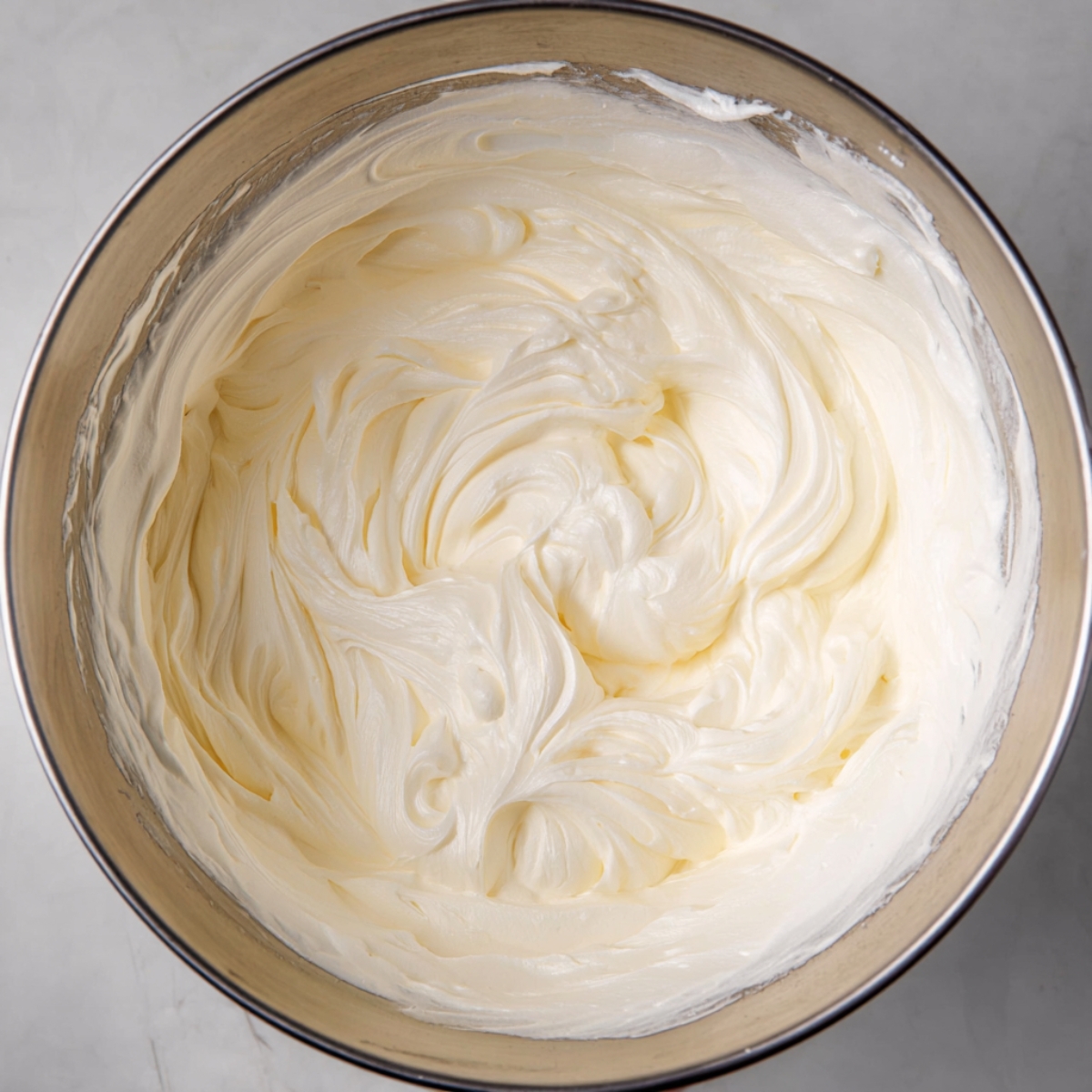
Beat the cream cheese and sugar: In a stand mixer, beat the softened cream cheese and sugar on medium speed for about 2 to 3 minutes until the mixture looks fluffy and smooth. Scrape down the sides of the bowl as needed.
Add the milk: Pour in the milk gradually and mix until it's fully blended in. The batter should look creamy and a little thinner now.
Mix in the eggs: Add the eggs one at a time, beating briefly after each one. Don't overmix here, you just want them incorporated.
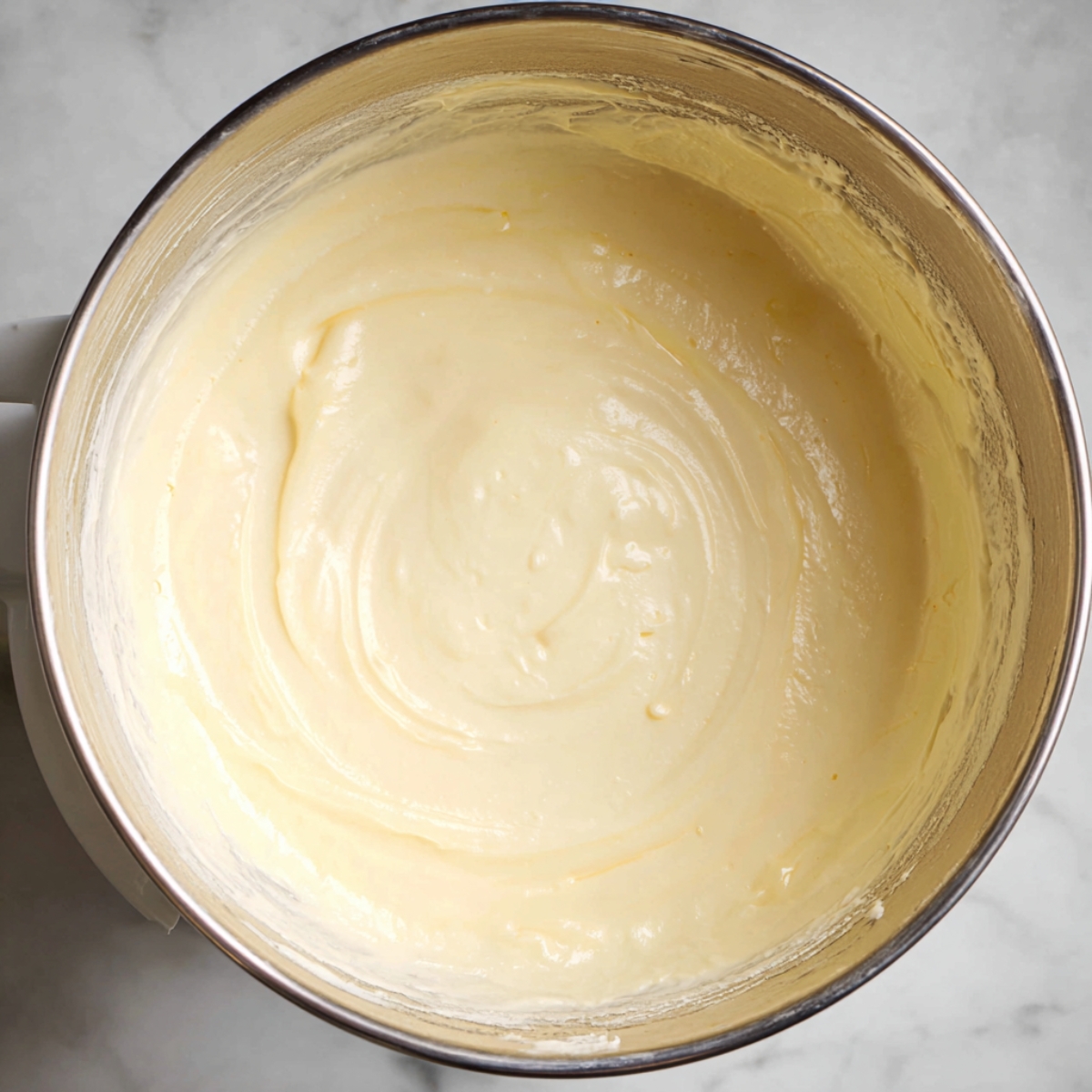
Stir in the sour cream, vanilla, and flour: Add the sour cream, vanilla, and sifted flour to the bowl and stir until the batter is smooth and even. Give it a taste if you want, it's safe to eat before baking.
Pour and bake: Pour the filling over the chilled crust in the springform pan. Set the pan on a baking sheet to catch any drips, then slide it into the oven. Bake for 1 hour without opening the door.
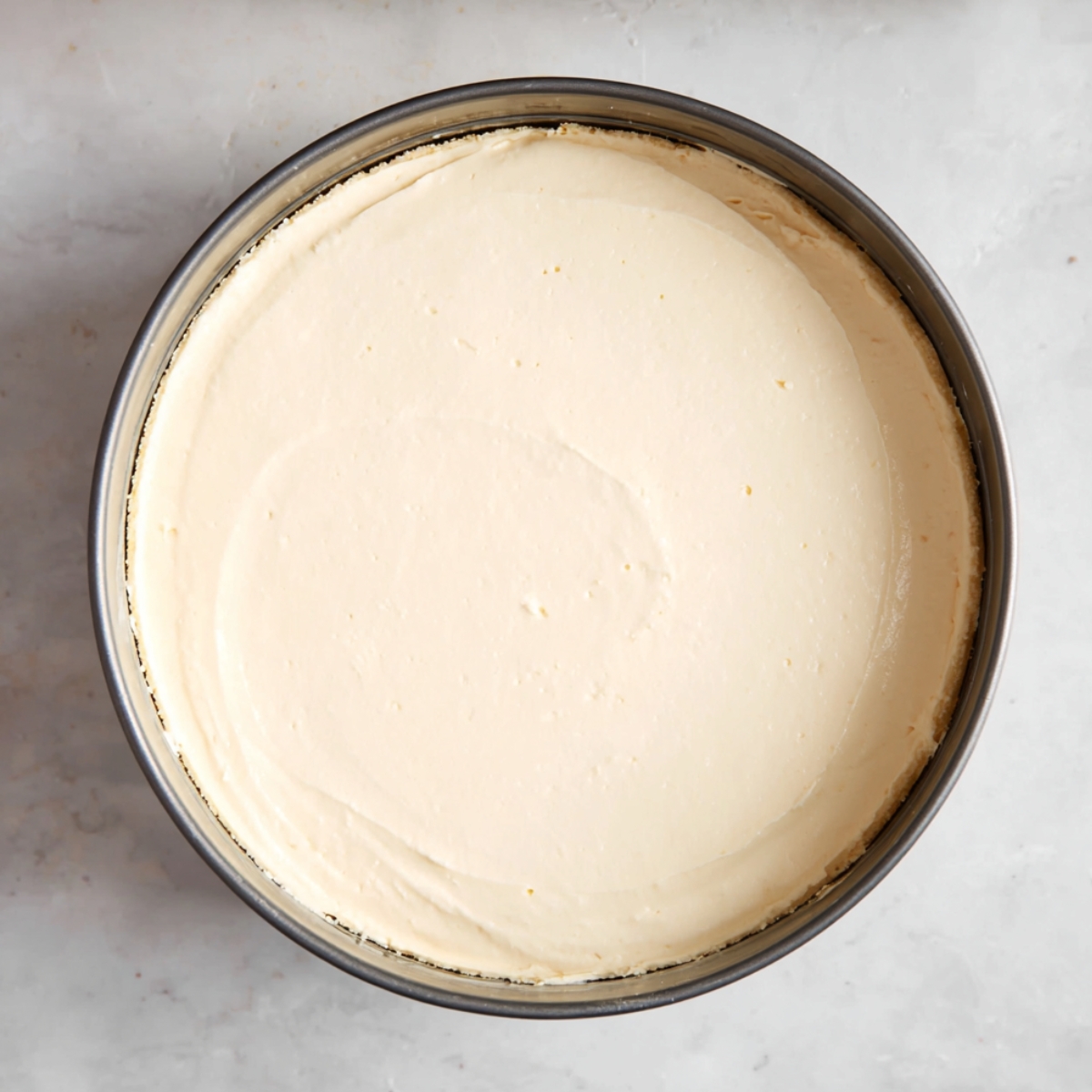
Cool in the oven: When the timer goes off, turn off the oven but leave the cheesecake inside with the door closed for 5 hours. This slow cooling helps prevent cracks. Once it's cooled down, transfer it to the fridge and chill for another 3 to 4 hours until it's completely cold.
Melt the Biscoff spread: When you're ready to finish the cheesecake, microwave the Biscoff spread for 30 seconds, stirring halfway, until it's warm and pourable.
Top and garnish: Pour the melted Biscoff over the chilled cheesecake and spread it evenly with a spatula. Sprinkle crushed Biscoff biscuits on top or press whole cookies into the spread for decoration. Return the cheesecake to the fridge until the topping sets, about 20 minutes, then slice and serve.
Substitutions and Variations
You can adjust this Lotus Biscoff Cheesecake to fit what you have on hand or your dietary needs.
Crust: Swap the digestive biscuits for more graham crackers or even ginger snaps for extra spice. You can also use all Biscoff biscuits if you want a stronger cookie flavor throughout.
Cream cheese: Full-fat cream cheese works best, but you can use reduced-fat cream cheese if needed. Just know the texture might be slightly less rich.
Sour cream: Plain Greek yogurt works as a substitute, though it'll add a bit more tang.
Biscoff spread: If you can't find Biscoff spread, try cookie butter from another brand or even smooth peanut butter for a completely different flavor.
Gluten-free: Use gluten-free graham crackers or Biscoff-style cookies and swap the all-purpose flour for a gluten-free blend.
Equipment For Lotus Biscoff Cheesecake
Here's what makes this Lotus Biscoff Cheesecake easier to pull off.
- Stand mixer: Beats the cream cheese until it's perfectly smooth and fluffy. You can use a hand mixer if that's what you have, just make sure the cream cheese is fully softened first.
- 9-inch springform pan: The removable sides make it easy to release the cheesecake without damaging it. Grease it lightly before pressing in the crust.
- Baking sheet: Catches any drips or leaks from the springform pan while it bakes. Saves you from scrubbing your oven later.
Storage and Make-Ahead Tips
This Lotus Biscoff Cheesecake keeps beautifully and even tastes better the next day.
Refrigerator: Cover the cheesecake loosely with plastic wrap or store it in an airtight container. It'll stay fresh in the fridge for up to 5 days.
Freezer: Wrap individual slices or the whole cheesecake tightly in plastic wrap, then in aluminum foil. Freeze for up to 6 months. Thaw slices in the fridge for a couple of hours or leave a whole cheesecake in the fridge overnight.
Make-ahead: You can bake the cheesecake a day or two before you need it. Just wait to add the Biscoff topping until a few hours before serving so it stays glossy and smooth.
Serving Suggestions
Here's how to serve this Lotus Biscoff Cheesecake so it feels extra special.
With whipped cream: A dollop of lightly sweetened whipped cream on the side balances the richness of the cheesecake.
Alongside fresh berries: Strawberries or raspberries add a tart, fruity contrast that cuts through the sweetness.
With hot coffee or tea: The warm, spiced flavor of Biscoff pairs beautifully with a strong cup of coffee or chai tea.
Drizzle with caramel sauce: If you want to go all out, drizzle warm caramel sauce over each slice just before serving.
Expert Tips
Room temperature ingredients: Pull your cream cheese, eggs, sour cream, and milk out of the fridge about an hour before you start. Cold ingredients create lumps and uneven texture.
Don't overmix: Once you add the eggs, mix just until combined. Overbeating adds air bubbles that can cause cracks.
Press the crust firmly: Use the bottom of a flat measuring cup to really pack the crust into the pan. A loose crust crumbles when you slice the cheesecake.
Cool slowly: Leaving the cheesecake in the turned-off oven for 5 hours prevents sudden temperature changes that lead to cracks. Be patient here.
FAQ
How to make cheesecake with Lotus Biscoff?
Crush Biscoff biscuits and mix them with melted butter to form the crust. Press it into your pan, then pour in a classic Cheesecake filling made with cream cheese, sugar, eggs, and sour cream. After baking and chilling, top it with melted Biscoff spread for that signature caramel-cookie flavor. It's easier than it sounds.
Are Biscoff biscuits good for cheesecake?
Yes, they're perfect. Lotus Biscoff Cheesecake have a warm, caramelized spice that adds so much flavor to the crust. They hold up well when mixed with butter and pressed into a pan, and they complement the creamy filling without overpowering it.
How to make Biscoff base for cheesecake?
Crush about 1 cup of Biscoff biscuits into fine crumbs using a food processor or a sealed plastic bag and rolling pin. Mix the crumbs with melted butter until they look like wet sand, then press the mixture firmly into the bottom of your springform pan. Chill it in the fridge while you make the filling so it sets up nicely.
How many calories are in a Lotus Biscoff cheesecake?
Each slice of this Lotus Biscoff Cheesecake has about 645 calories. It's a rich, indulgent dessert meant for special occasions, so a small slice goes a long way. You can cut smaller portions if you're serving it after a big meal.
Related
Looking for other recipes like this? Try these:

Pairing
These are my favorite dishes to serve with Lotus Biscoff Cheesecake
Lotus Biscoff Cheesecake
Ingredients
For the crust:
- 1 ¼ cups Digestive biscuit crumbs or graham cracker crumbs
- 1 ¼ cups Biscoff biscuit crumbs or Lotus biscuit crumbs
- 150 g melted butter unsalted, for the crust
- ½ teaspoon ground cinnamon for added flavor
For the cheesecake:
- 900 g softened cream cheese full-fat at room temperature
- 1 ½ cups white sugar granulated
- 200 g whole milk room temperature
- 4 large eggs room temperature
- 1 ¼ cups full-fat sour cream room temperature
- 1 tablespoon vanilla extract for flavor
- 35 g all-purpose flour sifted
For the topping:
- ¾ cup Biscoff Lotus spread melted for easy spreading
- Biscoff biscuits for garnishing
Instructions
- In a mixing bowl, combine the crushed biscuits, melted butter, and cinnamon. Stir with a fork until the crumbs are evenly moistened. Press the mixture firmly along the bottom and sides of a greased 9-inch springform pan. Use the base of a measuring cup to compact the crust evenly. Chill the crust in the fridge while preparing the cheesecake.
- Preheat the oven to 180°C (350°F).
- In a stand mixer, beat the cream cheese and sugar together on medium speed until smooth and fluffy. Gradually add the milk, followed by the eggs one at a time, mixing briefly after each addition.
- Add the sour cream, vanilla extract, and sifted flour. Mix until smooth and fully combined.
- Pour the cheesecake batter over the chilled crust in the springform pan. Place the pan on a baking sheet and put it on the middle rack of the oven.
- Bake the cheesecake for 1 hour. After baking, turn off the oven and allow the cheesecake to rest inside for 5 hours to cool gradually. This helps prevent cracking.
- Once cooled, refrigerate the cheesecake until fully chilled.
- Heat the Biscoff spread in the microwave for 30 seconds, stirring halfway through to ensure it's melted and runny.
- Pour the melted Biscoff spread over the top of the chilled cheesecake, using a spatula to spread it evenly across the surface.
- Garnish with crushed Biscoff biscuits and whole biscuits for decoration. Return the cheesecake to the fridge just until the topping sets.
- Serve cold directly from the fridge.
Leave a Reply