
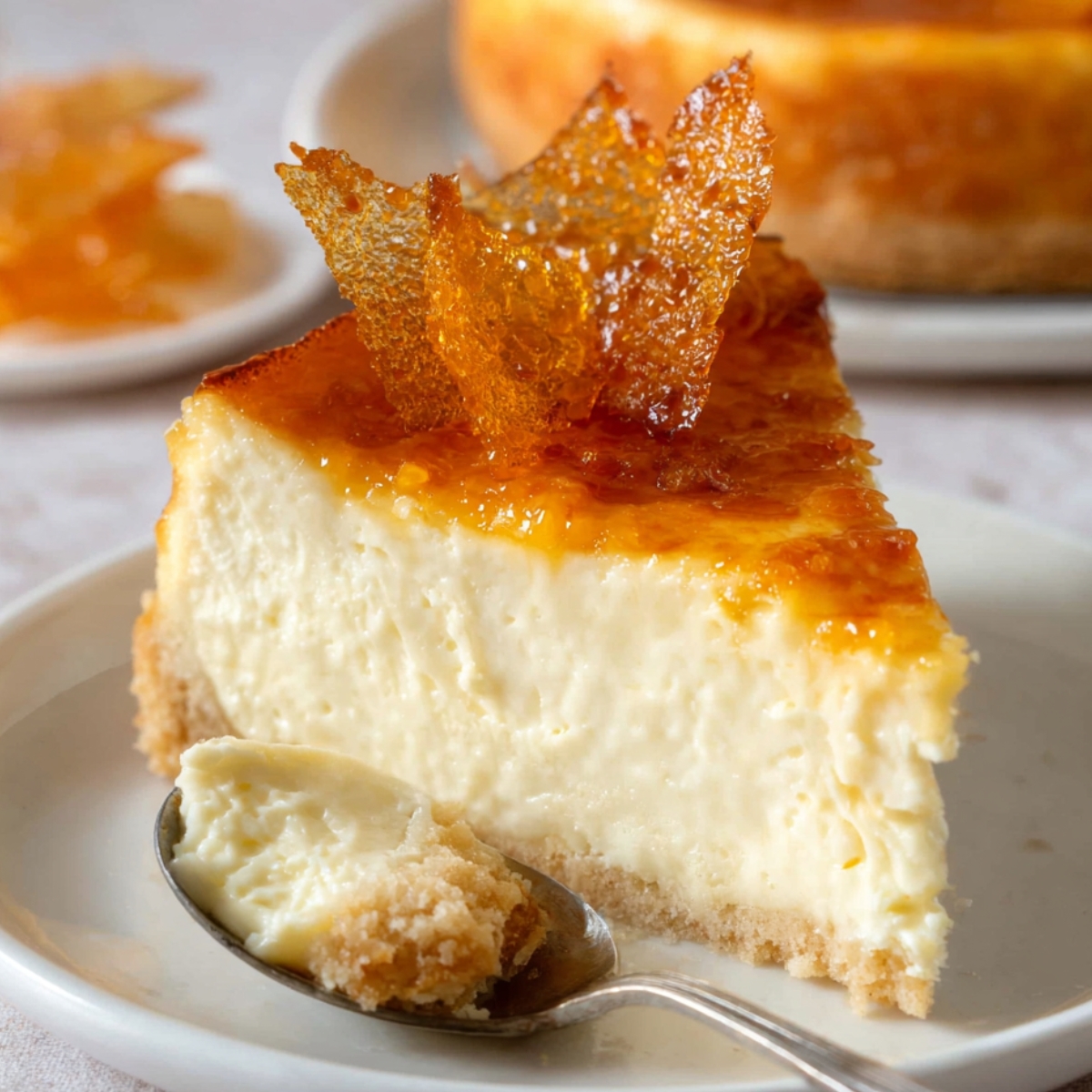
This Crème Brûlée Cheesecake layers silky vanilla bean cheesecake with white chocolate over a buttery Nilla Wafer crust, all topped with smooth pastry cream and a crackling caramelized sugar shell. I first tasted something like this at a fancy French bistro years ago, and I've been chasing that combination of textures ever since. The best part? You can make this bakery-style dessert right at home with simple ingredients and a little patience.
If you love rich, creamy desserts, you'll also want to try my Brown Sugar Latte Cake or these Sticky Toffee Pudding Cookies for your next special occasion.
What Makes This Crème Brûlée Cheesecake So Special
This isn't just any Crème Brûlée Cheesecake. It's three incredible desserts rolled into one stunning creation. The vanilla bean cheesecake tastes like the softest, creamiest custard, thanks to the white chocolate and extra egg yolks. The Nilla Wafer crust adds a gentle vanilla sweetness that doesn't overpower. Then comes the vanilla pastry cream layer, smooth and luscious, topped with that iconic brûléed sugar that cracks like glass when you tap it with a spoon. Every layer works together, and somehow it all feels elegant without being fussy.
This Crème Brûlée Cheesecake is the kind of dessert that makes people stop talking and just enjoy the moment. It's creamy, it's elegant, and that crackling brûléed sugar on top makes every bite feel a little bit fancy. Whether you're celebrating something special or just want to treat yourself and the people you love, this one's worth the effort. And if you're looking for more show-stopping desserts, don't miss my Lemon Angel Pie or these Nutty Chocolate Bars for your next gathering.
Jump to:
Crème Brûlée Cheesecake Ingredients
Here's everything broken down by component, with a little insight into what each ingredient does.
See Recipe Card Below This Post For Ingredient Quantities
For the Crust
- Nilla Wafers: These form a buttery, vanilla-scented crust that's softer and sweeter than graham crackers. The vanilla flavor ties right into the filling.
- Unsalted butter: Melted butter binds the cookie crumbs together and helps the crust bake up golden and firm.
- Granulated sugar: Adds a touch of extra sweetness to balance the rich cheesecake filling.
For the Cheesecake
- Cream cheese: The base of any good cheesecake. Make sure it's fully softened so it blends smooth without lumps.
- Granulated white sugar: Sweetens the filling and helps create that creamy, custard-like texture.
- Corn starch: Stabilizes the cheesecake and helps prevent cracks. It also gives the filling a silky finish.
- Vanilla bean paste or extract: Brings warm, aromatic vanilla flavor throughout. Vanilla bean paste adds those pretty little specks.
- Sour cream: Adds tang and keeps the cheesecake extra creamy. It also helps prevent the filling from getting too dense.
- White chocolate: Melted white chocolate makes the filling taste like vanilla custard with a hint of sweetness. Let it cool slightly before mixing so it doesn't scramble the eggs.
- Eggs and egg yolks: Bind everything together and give the cheesecake structure. The extra yolks make it richer and smoother.
For the Vanilla Pastry Cream
- Whole milk: The liquid base for the pastry cream. Whole milk gives you the creamiest result.
- Egg yolks: Thicken the pastry cream and give it that classic custard richness.
- Granulated white sugar: Sweetens the cream and balances the vanilla.
- Salt: Just a pinch to enhance all the flavors.
- Vanilla bean paste or extract: Infuses the pastry cream with deep vanilla flavor.
- Cornstarch: Thickens the cream as it cooks so it holds its shape when spread over the cheesecake.
- Unsalted butter: Stirred in at the end for extra richness and a silky smooth finish.
For the Brûléed Sugar Shards
- Granulated sugar: Melted and caramelized into golden, crackling shards that add crunch and a toasty caramel flavor.
How to Make Crème Brûlée Cheesecake
Everything you need to know to make this Crème Brûlée Cheesecake from start to finish, broken down nice and easy.
For the Crust
Preheat oven: Preheat your oven to 350°F (175°C) so it's ready when you finish pressing the crust.
Prepare the pan: Wrap the bottom and sides of a 9-inch springform pan with multiple layers of tinfoil to keep water out during the water bath. You can also place the springform pan inside a 10-inch cake pan if you want extra protection.
Prep the surface: Spray the sides of the pan with non-stick spray and line the bottom with a round of parchment paper.
Grind the cookies: Pulse the Nilla Wafers in a food processor until they're finely ground, like coarse sand.
Mix the crust: Stir in the melted butter and granulated sugar until everything is evenly coated and holds together when you press it. Press the mixture firmly into the bottom of the pan and about an inch up the sides.
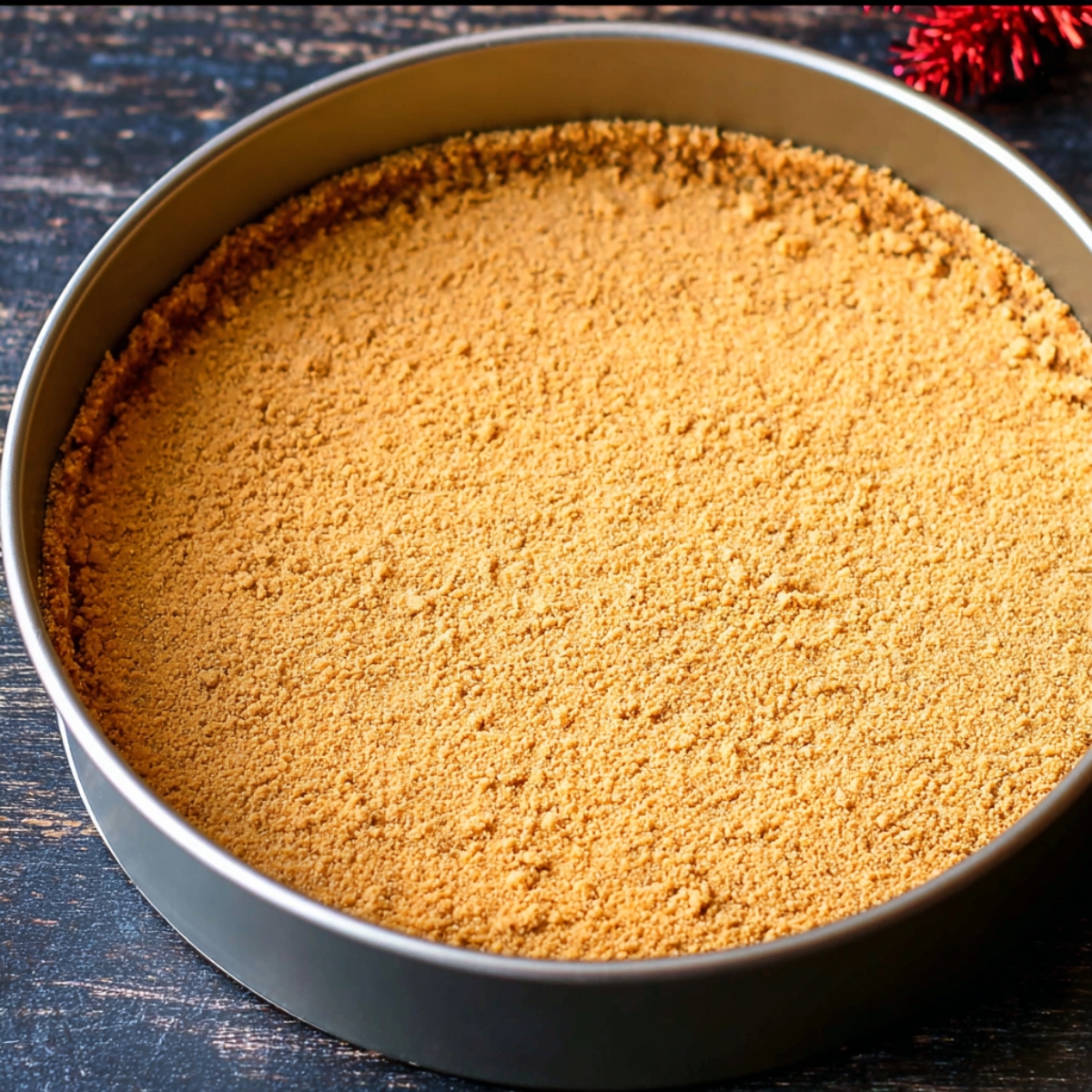
Bake the crust: Bake for 10 minutes, then let it cool completely while you make the filling.
For the Cheesecake
Preheat if needed: If your oven cooled down, preheat it again to 350°F (175°C).
Mix cream cheese base: In a stand mixer, beat the softened cream cheese, granulated sugar, and cornstarch for 2 minutes until smooth and fluffy with no lumps.
Add flavorings: Mix in the vanilla bean paste, sour cream, and melted white chocolate for another minute until everything is fully combined and silky.
Incorporate eggs: Add the eggs and egg yolks one at a time, mixing on low speed just until each one disappears into the batter. Don't overmix or you'll add too much air, which can cause cracks.
Fill the pan: Pour the batter over the cooled crust and smooth the top gently.
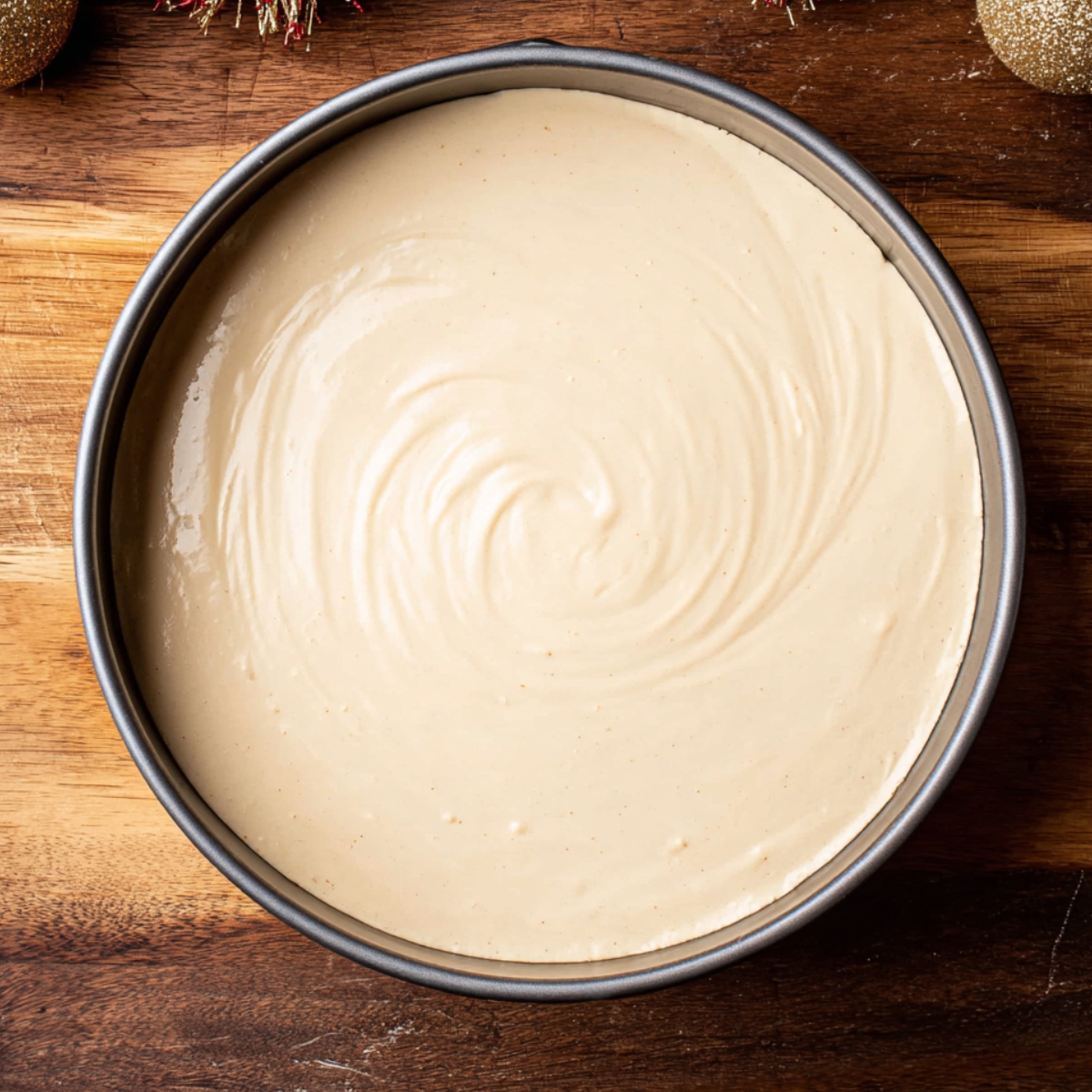
Prepare the water bath: Place the cheesecake in a large roasting pan. Carefully pour boiling water around the springform pan until it comes up about 1½ inches on the sides. The water bath keeps the cheesecake moist and prevents cracks.
Bake low and slow: Bake for 1 hour. After 1 hour, turn off the oven but leave the cheesecake inside with the door cracked slightly open for another hour. This gentle cooling helps prevent cracks.
Cool completely: Remove the cheesecake from the water bath, loosen the edges with a butter knife, and let it cool completely on the counter. Then cover and refrigerate for at least 8 hours or overnight.
For the Vanilla Pastry Cream
Heat the milk: While the cheesecake is cooling, pour the milk into a saucepan and heat it over medium-low heat until it's steaming but not boiling. Reduce the heat to low.
Whisk the egg mixture: In a bowl, whisk together the egg yolks, sugar, salt, vanilla, and cornstarch until smooth and pale yellow.
Temper the eggs: Slowly pour the hot milk into the egg mixture, whisking constantly so the eggs don't scramble. Pour everything back into the saucepan.
Cook the cream: Cook over medium-low heat for 8 to 12 minutes, whisking the whole time, until the mixture thickens enough to coat the back of a spoon.
Finish with butter: Remove from the heat and stir in the butter until it's fully melted and smooth. Let the pastry cream cool, then cover and refrigerate until you're ready to use it.
For the Brûléed Sugar Shards
Prep your surface: Line a baking sheet with parchment paper.
Melt the sugar: Heat the sugar in a saucepan over medium-low heat, stirring gently as it melts and turns a beautiful golden amber color. Don't rush this, it takes a few minutes.
Spread and cool: Pour the melted sugar onto the parchment and spread it out evenly with a spoon or offset spatula. Let it cool and harden completely, then break it into shards.
Assembling the Cheesecake
Remove from pan: Once the cheesecake is fully chilled, carefully remove it from the springform pan and transfer it to a serving plate.
Spread the cream: Spread the chilled vanilla pastry cream evenly over the top of the cheesecake in a smooth layer.
Brûlée the top: Sprinkle ¼ to ⅓ cup of granulated sugar evenly over the pastry cream. Use a kitchen torch to caramelize the sugar, moving the flame in slow circles until the sugar melts and turns golden brown.
Cool and decorate: Let the brûléed top cool for about 10 minutes so it hardens into that satisfying crackling shell. Decorate with the sugar shards and serve.
Substitutions and Variations
No Nilla Wafers? Use graham crackers or vanilla cookies like Biscoff. You'll need about 1½ cups of crumbs.
Skip the white chocolate. You can leave it out for a classic Crème Brûlée Cheesecake, though it won't be quite as rich.
No kitchen torch? You can brûlée the sugar under the broiler, but watch it closely. It goes from golden to burnt in seconds.
Make it mini. Use a muffin tin with cupcake liners to make individual mini Crème Brûlée Cheesecake. Adjust the baking time to about 20 to 25 minutes.
Different crust. Try chocolate cookie crumbs, shortbread, or even a thin layer of puff pastry for something different.
Equipment For Crème Brûlée Cheesecake
Here's what makes the process easier.
- 9-inch springform pan: The removable sides make it easy to get the Crème Brûlée Cheesecake out cleanly.
- Food processor: Grinds the cookies quickly and evenly.
- Stand mixer or hand mixer: Beats the cream cheese smooth and incorporates the eggs gently.
- Roasting pan: Holds the water bath that keeps your Crème Brûlée Cheesecake moist.
- Kitchen torch: The best tool for getting that perfect brûléed sugar crust. You can find one for under $20.
- Whisk and saucepan: For making the pastry cream.
- Parchment paper and tinfoil: Protects your pan and prevents leaks.
Storage and Make-Ahead Tips
Refrigerator: Store the finished Crème Brûlée Cheesecake covered in the fridge for up to 5 days. The brûléed top will soften over time, so it's best to torch it fresh before serving.
Make ahead: Bake the Crème Brûlée Cheesecake up to 2 days in advance. Make the pastry cream the day before. Assemble and brûlée the sugar within a few hours of serving for the best texture.
Freezing: You can freeze the plain Crème Brûlée Cheesecake (without pastry cream or brûléed sugar) for up to 2 months. Wrap it tightly in plastic wrap and foil. Thaw overnight in the fridge before adding the toppings.
Sugar shards: Store the caramelized sugar shards in an airtight container at room temperature for up to 3 days. Don't refrigerate them or they'll get sticky.
Serving Suggestions
This Crème Brûlée Cheesecake is stunning on its own, but here are a few ways to make it even more special.
With fresh berries. A handful of raspberries or strawberries adds a pop of color and a tart contrast to the rich cream.
Drizzle with caramel. A little salted caramel sauce echoes the brûléed sugar and adds extra decadence.
Serve with coffee. The vanilla and caramel flavors pair beautifully with a strong cup of coffee or espresso. Try it alongside my Nutella Protein Balls for a full dessert spread.
Top with whipped cream. A dollop of lightly sweetened whipped cream adds an airy contrast to the dense Crème Brûlée Cheesecake.
Expert Tips
Room temperature ingredients. Make sure your cream cheese, sour cream, and eggs are at room temperature before you start. Cold ingredients can lead to lumps and uneven baking.
Don't overmix. Once you add the eggs, mix just until combined. Overmixing adds air bubbles that can cause cracks.
Water bath is key. The steam from the water bath keeps the Crème Brûlée Cheesecake moist and helps it bake evenly. Don't skip it.
Cool slowly. Let the Crème Brûlée Cheesecake cool gradually in the oven, then on the counter, then in the fridge. Sudden temperature changes cause cracks.
Chill overnight. The flavors get better and the texture gets creamier after a full night in the fridge.
Torch technique. Keep the torch moving in small circles and hold it a few inches away from the sugar. If you stay in one spot too long, the sugar will burn.
Loosen the edges. Run a butter knife around the edges of the Crème Brûlée Cheesecake as soon as it comes out of the oven. This helps prevent cracks as it cools and contracts.
FAQ
How do you prevent a cheesecake from cracking in the oven?
Use a water bath, don't overmix the batter once the eggs are in, and let the Crème Brûlée Cheesecake cool slowly. Turn off the oven and leave the cheesecake inside with the door cracked for an hour after baking. Room temperature ingredients also help create a smooth, crack-free top.
What can I use instead of Nilla Wafers for the crust?
Graham crackers work great, or try vanilla cookies like Biscoff, shortbread, or even chocolate cookies if you want a different flavor. You'll need about 1½ cups of crumbs mixed with the butter and sugar.
How do you make the perfect brûlée topping for cheesecake?
Sprinkle an even layer of granulated sugar over the pastry cream, then use a kitchen torch held a few inches away, moving it in slow circles until the sugar melts and turns golden. Let it cool for about 10 minutes so it hardens into that crackling shell. Don't rush it or you'll get burnt spots.
Can I use a different crust for crème brûlée cheesecake?
Absolutely. Graham crackers, chocolate cookies, shortbread, or even crushed pretzels would work. Just keep the proportions the same: about 1½ cups of crumbs, ½ cup melted butter, and 2 tablespoons sugar. Press it into the pan and bake for 10 minutes.
Related
Looking for other recipes like this? Try these:
Pairing
These are my favorite dishes to serve with Crème Brûlée Cheesecake
Crème Brûlée Cheesecake
Ingredients
Method
- Preheat the oven to 350°F (175°C).
- Wrap the bottom and sides of a 9-inch springform pan with aluminum foil, ensuring it goes up about two inches.
- Spray the sides with non-stick spray and line the bottom with parchment paper.
- Pulse the Nilla Wafers in a food processor until finely ground.
- Add the melted butter and sugar to the crumbs, and pulse to combine.
- Press the mixture into the bottom of the pan and about 1 inch up the sides.
- Bake for 10 minutes, then let it cool completely.
- Preheat the oven to 350°F (175°C), if not already done.
- In a stand mixer, combine cream cheese, sugar, and cornstarch for 2 minutes on medium speed until smooth.
- Add vanilla bean paste, sour cream, and melted white chocolate, and mix for another minute.
- Heat a pot of water to boiling for the water bath.
- Add the eggs and egg yolks one at a time, mixing on low until fully incorporated.
- Pour the cheesecake batter into the prepared crust.
- Place the pan in a large roasting pan, then carefully pour the boiling water around the cheesecake to reach 1 ½ inches up the sides.
- Bake for 1 hour. After 1 hour, turn off the oven, crack the door open slightly, and leave the cheesecake in the oven for another hour.
- Remove the cheesecake, loosen the sides with a butter knife, and allow it to cool.
- Refrigerate the cheesecake for at least 8 hours or overnight.
- While the cheesecake is cooling, heat the milk over medium-low heat until steaming.
- In a separate bowl, whisk together the egg yolks, sugar, salt, vanilla, and cornstarch until smooth and pale.
- Slowly pour in a quarter of the hot milk while whisking continuously. Then, add the rest of the milk and stir well.
- Transfer the mixture to the saucepan and cook over medium-low heat, whisking for 8-12 minutes until thick.
- Remove from heat and stir in butter. chill
- Cover the pastry cream with plastic wrap directly on the surface to prevent a skin from forming and refrigerate until cold. chill
- Line a baking sheet with parchment paper.
- Melt the sugar in a saucepan over medium-low heat, stirring occasionally, for 10-15 minutes until golden.
- Pour the melted sugar onto the parchment paper and spread it thinly with a spatula. Let it cool completely.
- Break into shards when fully cooled.
- Once chilled, remove the cheesecake from the pan and transfer it to a serving plate.
- Spread the pastry cream evenly over the cheesecake.
- Sprinkle ¼-1/3 cup (50-66 g) sugar on top, then use a kitchen torch to brûlée the sugar until golden brown.
- Let the brûléed topping cool for about 10 minutes before serving.
- Top with the sugar shards if desired, then serve.
Leave a Reply