
Soft, pillowy, and glazed with the most dreamy cream cheese icing - these orange rolls smell like a citrus bakery the moment they hit the oven. That sweet, bright orange aroma fills every corner of the kitchen, and honestly, it's impossible not to hover by the oven waiting for them to come out.I first made these on a slow Sunday morning when I had two extra oranges sitting on the counter and a serious craving for something warm and homemade. They came together so easily - just basic pantry ingredients and a little patience while the dough rises.


If you love sweet, citrusy bakes, you might also enjoy my Banana Cupcakes or my cozy Zucchini Cake for more easy weekend baking. And if you need a quick fix? My Chocolate Mug Cake is ready in minutes.
Why You'll Keep Coming Back to This Orange Rolls
Fresh citrus flavor in every single bite. Real orange juice and zest go into the dough, the filling, AND the icing. Nothing artificial.
Simple, everyday ingredients. No specialty items. Just flour, butter, yeast, oranges, and pantry staples.
Make-ahead friendly. Assemble them the night before and do the second rise in the morning. Perfect for holidays or weekend brunch.
That cream cheese icing. Tangy, smooth, and bursting with fresh orange. It's the crown jewel of the whole situation.
Jump to:
Orange Rolls Ingredients
Here's a quick look at the ingredients and why each one matters.
See Recipe Card Below This Post For Ingredient Quantities
For the Dough
- Warm water : Activates the yeast. It needs to be warm - around 105-110 degrees F - not hot, which would kill the yeast.
- Dry yeast : The leavening agent that makes the rolls rise up light and fluffy. Make sure it's fresh.
- Granulated sugar : Feeds the yeast during activation and adds a touch of sweetness to the dough.
- Milk : Adds softness and richness to the dough. It helps create that tender, pillowy texture.
- Salted butter, melted : Adds flavor and keeps the dough rich and soft throughout baking.
- Orange (juiced and zested): Fresh orange juice adds flavor to the dough itself. The zest brings even more citrus punch.
- All-purpose flour : The structure of the roll. Add it gradually so the dough stays soft and workable, not stiff.
- Salt : Balances the sweetness and strengthens the gluten for better texture.
For the Filling
- Salted butter, room temperature : Spread across the dough to create that rich, gooey filling. Room temp is key - cold butter won't spread.
- Brown sugar : Adds a warm, caramel-like sweetness to the filling. It melts beautifully as the rolls bake.
- Zest from a second orange: This is where most of the citrus filling flavor comes from. Use a fresh orange and zest right before spreading.
- Salt : Just a pinch to balance and deepen all the sweet flavors.
For the Cream Cheese Icing
- Cream cheese, room temperature : The base of the icing. Room temp cream cheese blends smoothly without lumps.
- Salted butter, room temperature : Adds richness and helps the icing spread like a dream.
- Freshly squeezed orange juice : Fresh juice is worth it here. It gives the icing a bright, real citrus flavor that bottled juice just can't match.
- Vanilla extract : A little vanilla rounds out the sweetness and adds warmth.
- Powdered sugar : Sweetens and thickens the icing to the perfect spreadable consistency.
How to Make Orange Rolls Step by Step
Follow these steps and you'll have warm, golden rolls on the table in about two hours.
Step 1 - Activate Yeast: Stir together the warm water, yeast, and 2 tablespoon sugar in a large mixing bowl. Let it stand for 5 minutes. You should see foam forming on top - that means the yeast is alive and ready to work. If nothing happens after 5 minutes, your yeast may be old. Start fresh.
Step 2 - Mix the Dough Base: Whisk in the milk, 2 tablespoon melted butter, orange juice, and zest from one orange. The mixture will smell bright and citrusy - that's a good sign.
Step 3 - Combine Flour and Salt: In a separate bowl, mix 1 cup of flour with the ½ teaspoon salt. Add it to your wet mixture and stir until smooth and no lumps remain.
Step 4 - Add Flour Gradually: Add the remaining flour ½ cup at a time, stirring between each addition, until the dough comes together into a sticky ball. Don't dump it all in at once - you want control over the texture.
Step 5 - Knead the Dough: Turn the dough out onto a lightly floured surface and knead for about 3 minutes. The goal is soft, smooth, and slightly tacky - not stiff, not wet. Avoid over-kneading, which can make the rolls tough.
Step 6 - First Rise: Place the dough in a lightly greased bowl, cover with plastic wrap, and let it rise at room temperature for 1 hour, or until it has doubled in size. Find a warm, draft-free spot in your kitchen.
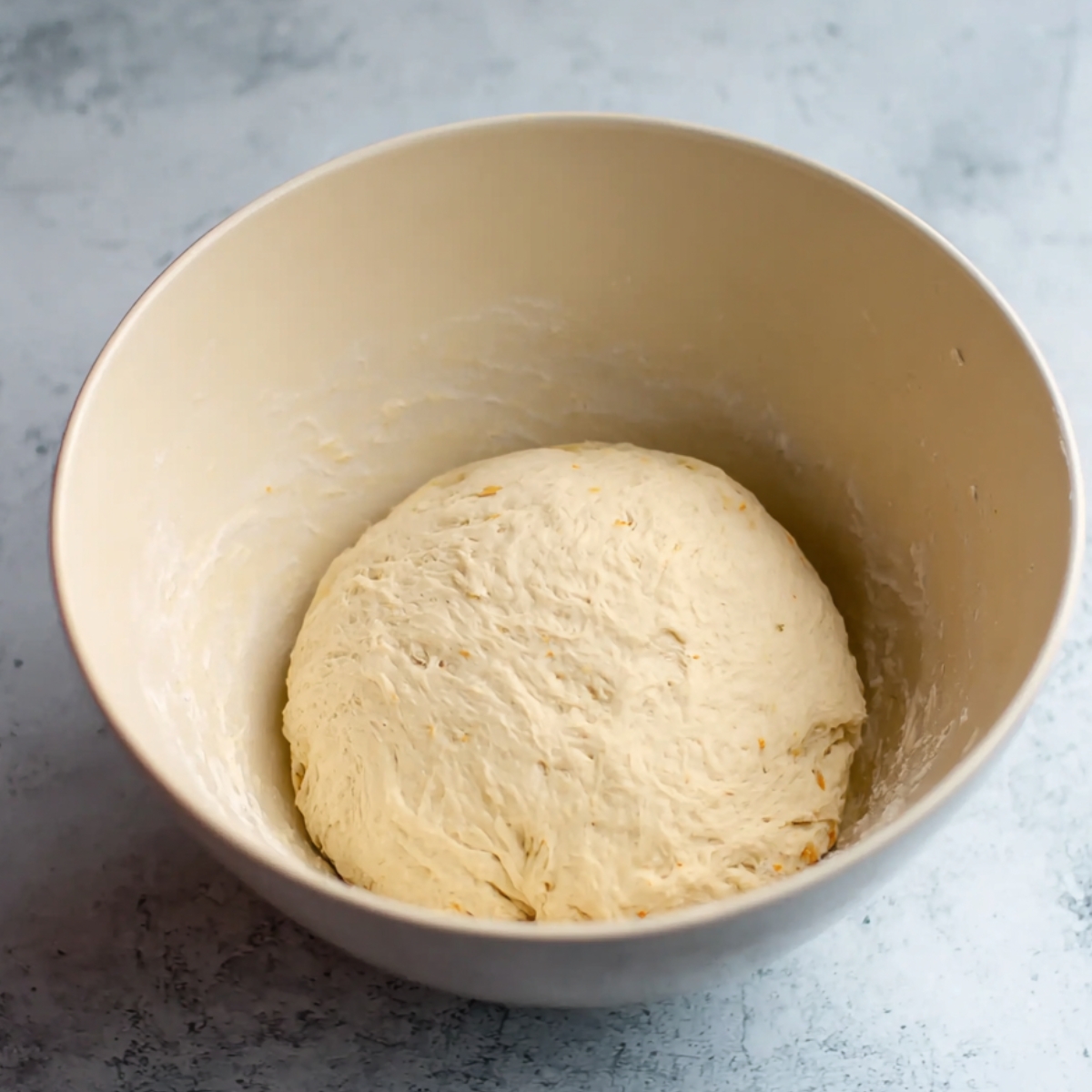
Step 7 - Deflate and Roll: Punch down the dough to release the air, then roll it out on a floured surface into a 10x13-inch rectangle. Try to keep the edges as even as possible for uniform rolls.
Step 8 - Prepare the Filling: In a small bowl, mix together 6 tablespoon room-temperature butter, brown sugar, zest from the second orange, and ⅛ teaspoon salt until it forms a smooth, spreadable paste.
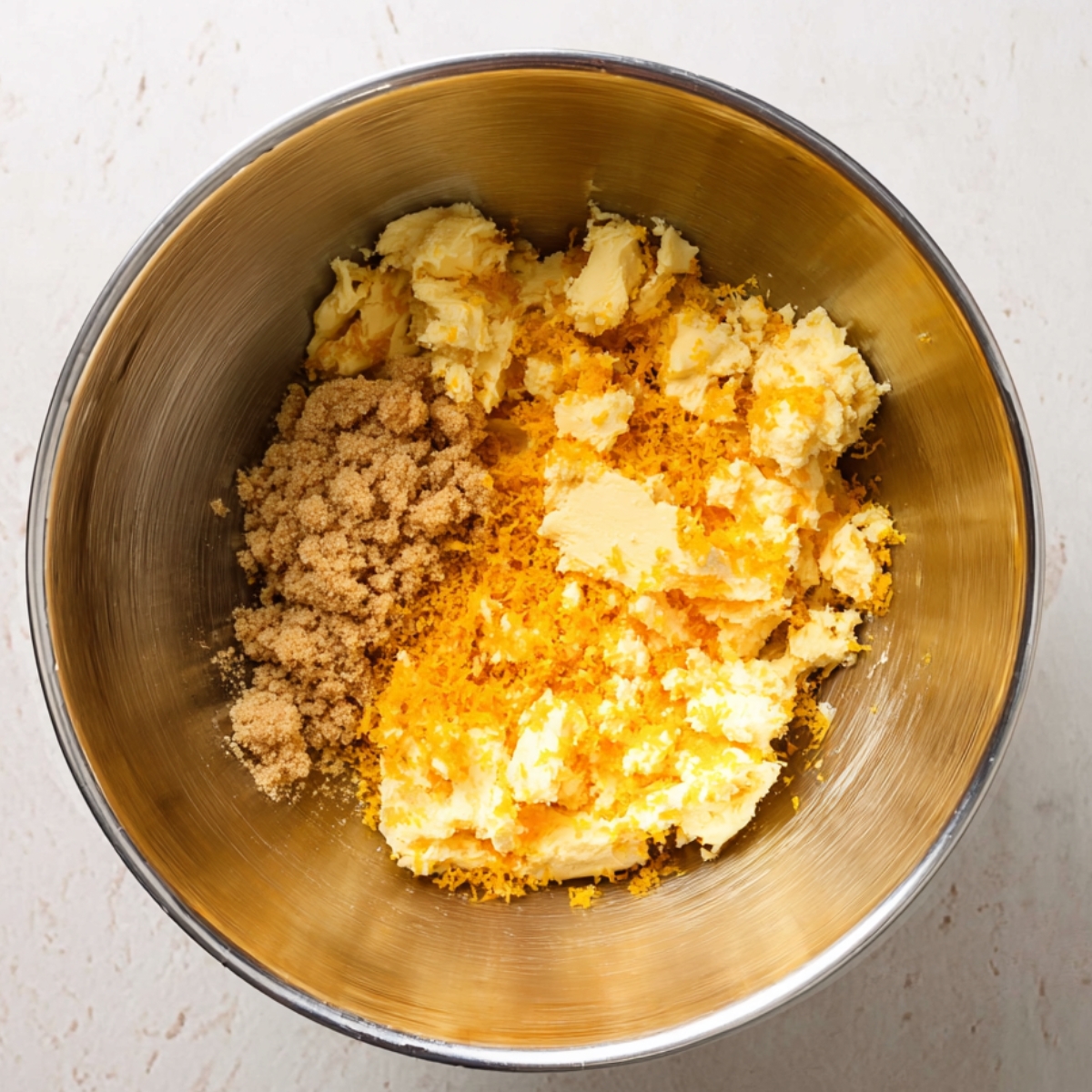
Step 9 - Spread the Filling: Spread the orange butter filling over the entire surface of the dough, all the way to the edges. Don't leave any bare spots - every bite should be flavorful.
Step 10 - Roll and Slice: Starting from one long side, roll the dough tightly into a log. Slice it into 9 pieces, each about 1.5 inches wide. A sharp serrated knife works best here. Arrange the rolls cut-side up in a greased 10x8-inch baking dish.
Step 11 - Second Rise and Preheat: Let the rolls rest and puff up for 10-15 minutes while you preheat your oven to 350 degrees F (177 degrees C). They should look slightly bigger and pillowy.
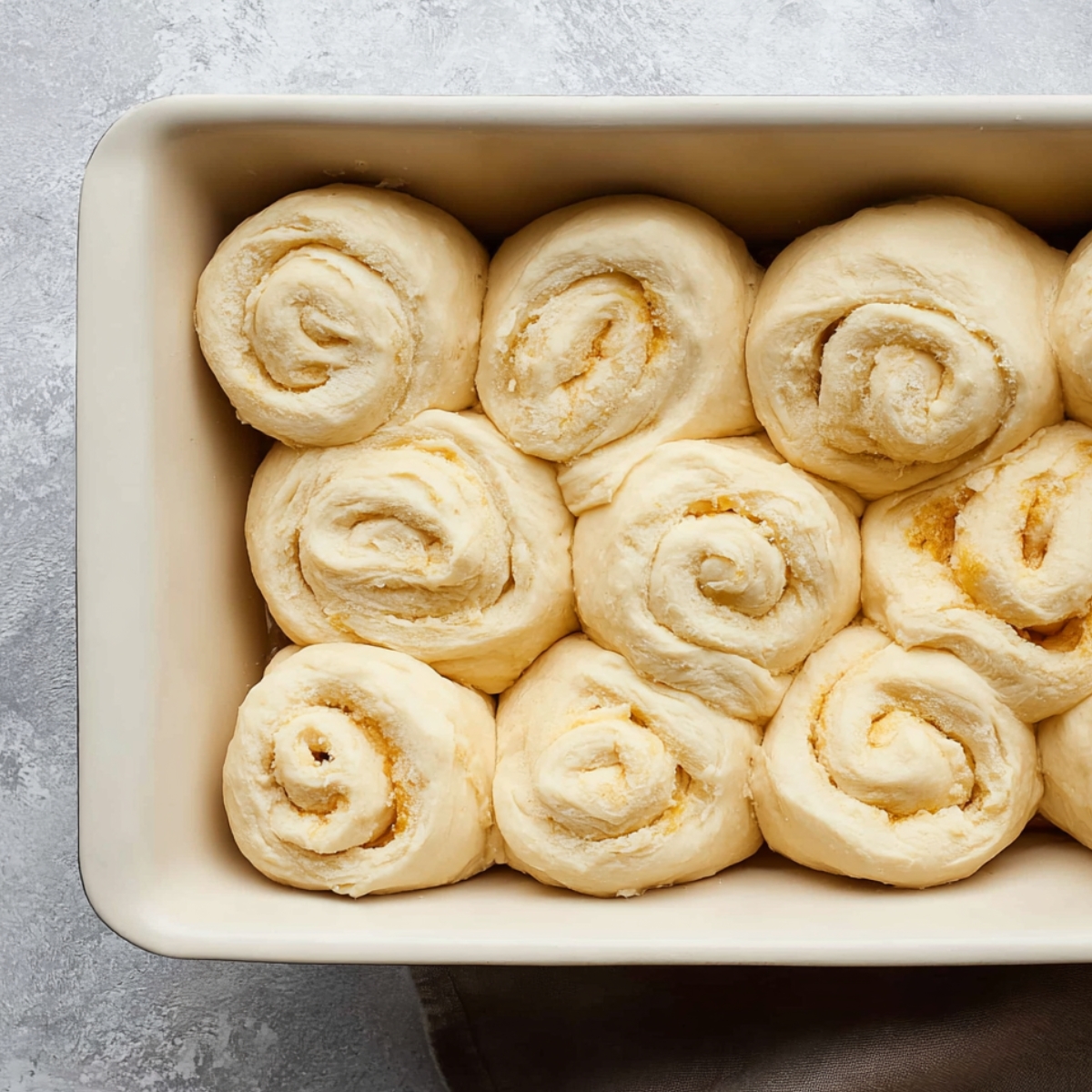
Step 12 - Bake: Bake for 30 minutes, or until the tops are golden brown and the rolls look set in the center. They should smell incredible - warm orange and caramelized sugar filling the kitchen.
Step 13 - Make the Icing: While the rolls bake, beat the room-temperature cream cheese, butter, orange juice, and vanilla extract together until completely smooth. Gradually mix in the powdered sugar until you reach a thick, spreadable consistency.
Step 14 - Ice and Serve: Let the rolls cool for 5-10 minutes after baking, then spread the icing generously on top while they are still warm. Serve immediately for the full melty-icing experience, or let them cool completely if you prefer a thicker icing layer.
Substitutions and Swaps
No fresh oranges? Use 3-4 tablespoons of store-bought orange juice in the dough and a teaspoon of orange zest from a jar for the filling. Fresh is better, but it still works.
Unsalted butter? Use unsalted butter and add an extra pinch of salt to the dough and filling.
No cream cheese? Skip the cream cheese and make a simple powdered sugar glaze with orange juice and powdered sugar instead.
Dairy-free? Swap in plant-based butter and dairy-free cream cheese. Use oat milk or almond milk in the dough.
Want a cinnamon twist? Add ½ teaspoon of cinnamon to the filling mixture. It pairs beautifully with the orange.
Equipment For Orange Rolls
Nothing fancy required here - just basic kitchen tools.
- Mixing bowls (at least two)
- 10x8-inch baking dish
- Rolling pin
- Measuring cups and spoons
- Spoon or spatula for spreading
- Hand mixer or whisk for the icing
Storing and Reheating Your Orange Rolls
Room temperature: Cover leftover Orange Rolls tightly and store at room temperature for up to 2 days.
Refrigerator: Store in an airtight container in the fridge for up to 5 days. Warm them up before serving.
Freezer: Freeze baked, un-iced rolls for up to 2 months. Thaw overnight in the fridge, warm, then add fresh icing.
Make-ahead option: Assemble the rolls in the baking dish, cover with plastic wrap, and refrigerate overnight. In the morning, let them sit at room temperature for 30 minutes before baking.
To reheat: Pop individual rolls in the microwave for 20-25 seconds, or warm the whole pan in a 300-degree oven for about 10 minutes, covered loosely with foil.
Ways to Serve These Orange Rolls
Weekend brunch spread: Serve alongside scrambled eggs, fresh fruit, and a pot of hot coffee for a full morning table.
Holiday morning: These are a beautiful Christmas or Easter morning treat. Make them the night before and bake while the family gathers.
Afternoon treat: Warm a roll and pair it with a cup of tea for a cozy mid-afternoon break.
With extra citrus: Add a little extra orange zest on top of the icing right before serving for a pop of color and freshness.
Expert Tips
Use fresh oranges. The difference between fresh-squeezed juice and bottled is noticeable here. The zest especially is what makes these Orange Rolls special.
Don't rush the first rise. Give the dough a full hour. Rushing this step means less flavor and less fluffiness.
Add flour slowly. Dough that's too stiff makes Orange Rolls that are dense. Soft and slightly tacky is your goal.
Room temp everything for the icing. Cold cream cheese will give you lumpy icing. Set it out an hour before you plan to bake.
Ice them warm, not hot. Let the Orange Rolls cool for 5-10 minutes before icing. Too hot and the icing melts right off. Too cold and it won't spread as nicely.
Sharp knife for slicing. A serrated bread knife or unflavored dental floss gives clean cuts without squishing the roll shape.
FAQ
What's the difference between orange rolls and cinnamon rolls?
The main difference is the flavor of the filling. Cinnamon rolls use brown sugar and cinnamon spice, while orange rolls use brown sugar and fresh orange zest. Orange rolls have a brighter, citrusy sweetness, while cinnamon rolls are warmer and spicier. Both use a similar soft yeast dough and cream cheese icing.
What can I make with lots of oranges?
Orange rolls are a great option, but you can also make orange muffins, orange pound cake, orange glazed chicken, fresh orange juice, orange curd, or candied orange peel. Having a few extra oranges on hand is never a bad thing.
What does pouring heavy cream over cinnamon rolls do?
Pouring warm heavy cream over the rolls just before baking adds extra moisture and richness. It keeps the bottoms from drying out and makes the rolls super soft and gooey. You can do the same trick with these Orange Rolls for an extra indulgent result.
How long do you put orange rolls in the oven?
Bake at 350 degrees F for 30 minutes, or until the tops are golden brown and the Orange Rolls feel set when you gently press the center. Every oven is a little different, so start checking at the 25-minute mark to make sure they don't over-bake.
Related
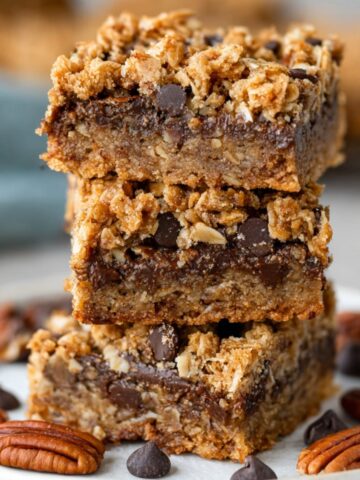
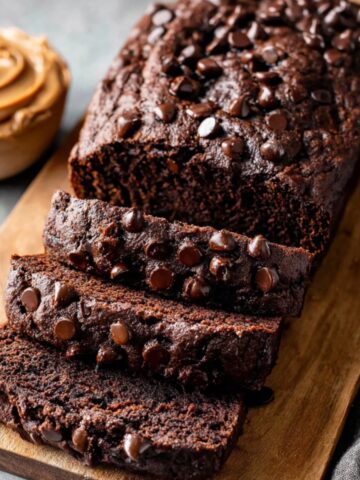
Looking for other recipes like this? Try these:

Pairing
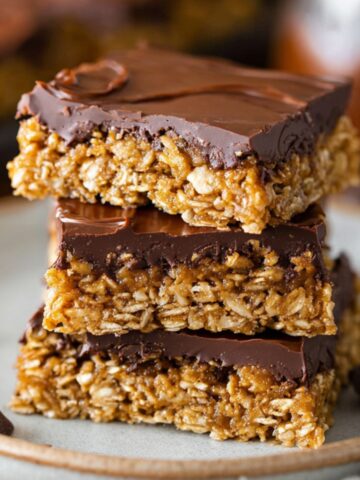
These are my favorite dishes to serve with Orange Rolls



Homemade Orange Rolls
Ingredients
Method
- In a small bowl, stir together warm water, yeast, and sugar. Let stand for 5 minutes or until foam forms.
- Whisk in milk, melted butter, orange juice, and zest from one orange.
- In another bowl, stir together 1 cup of flour and salt. Pour the wet ingredients into the dry, mixing until smooth.
- Gradually add the remaining flour, ½ cup at a time, until a sticky dough ball forms. Turn the dough onto a floured surface.
- Knead the dough for 3 minutes, adding flour as needed to prevent sticking. The dough should be soft and slightly tacky, not stiff.
- Place the dough in a greased bowl, cover loosely, and let rise for 1 hour or until doubled in size.
- Punch down the dough, then roll it into a 10x13-inch rectangle on a floured surface.
- For the filling, mix butter, brown sugar, orange zest, and salt into a smooth paste. Spread evenly over the dough.
- Roll the dough up along the long edge, forming a log. Slice into 9 pieces, about 1.5 inches each.
- Place rolls in a greased 10x8-inch baking dish. Let them rise for 10-15 minutes. While rising, preheat the oven to 350°F (177°C).
- Bake for 30 minutes, or until golden brown on top.
- For the icing, beat together cream cheese, butter, orange juice, and vanilla extract. Gradually add powdered sugar until smooth.
- Let the rolls cool for 5-10 minutes before spreading the icing over them. Serve warm or let cool.



Leave a Reply