
This Lemon Gooey Butter Cake layers bright lemon flavor with a soft, tender cake base, a cloud-like cream cheese center, and silky lemon curd on top. I first tasted something like this at a spring brunch, and the combination of textures stopped me mid-bite. It's easier to make than it looks, and the payoff is bakery-level results right from your home kitchen.
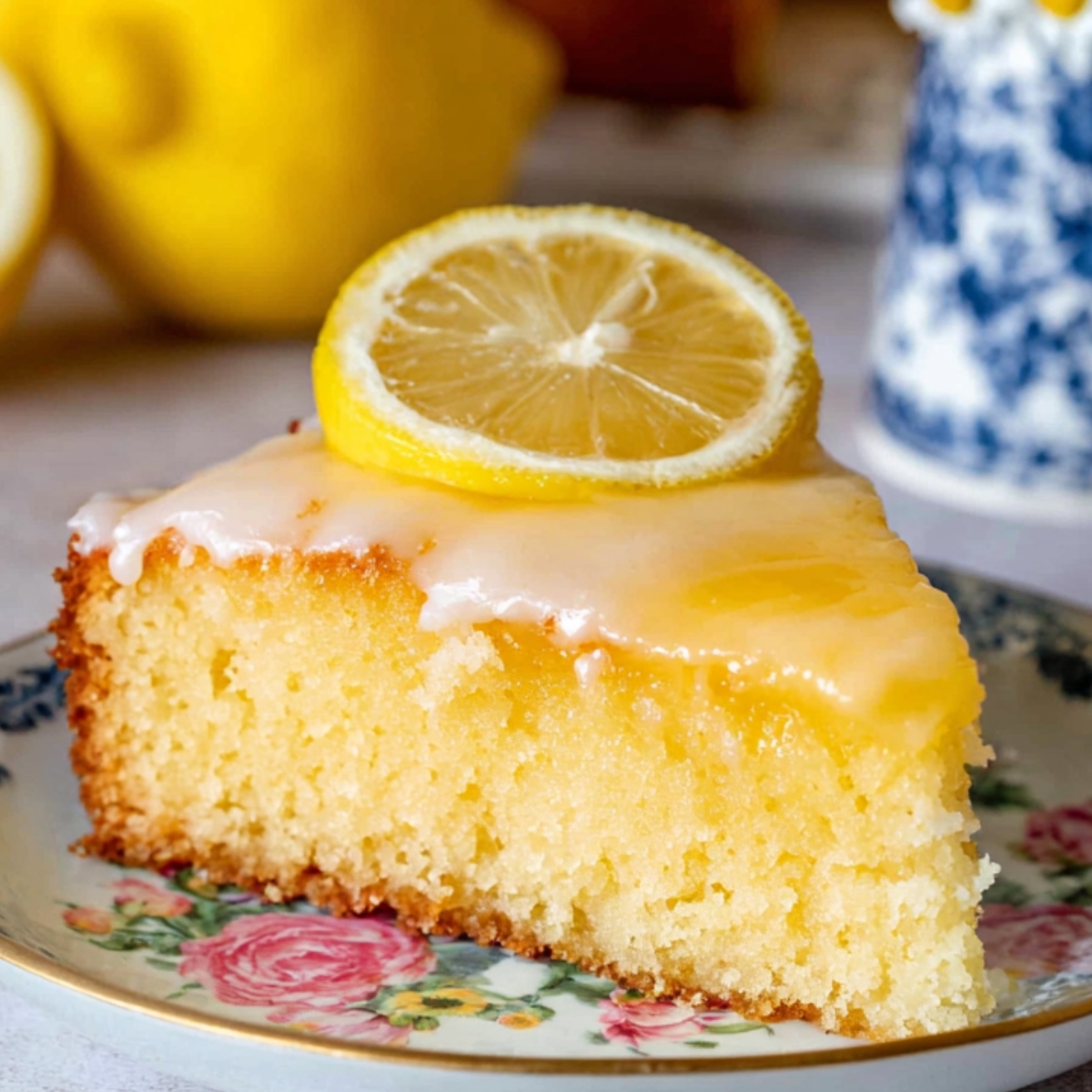

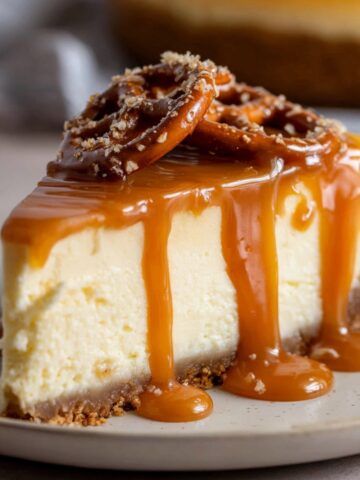
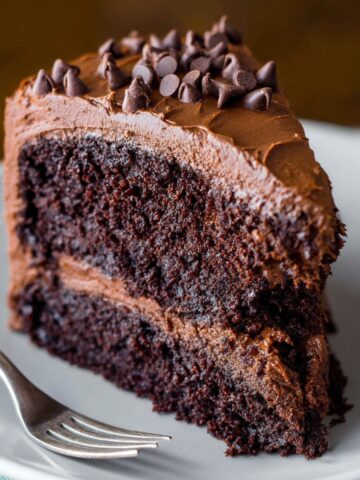
If you love citrus desserts that feel special without being fussy, you'll want to bookmark this alongside favorites like Salted Caramel Cheesecake and Chocolate Layer Cake. The smell alone while it bakes is worth it.
Why You'll Love This Lemon Gooey Butter Cake
Bright, bold lemon flavor runs through every layer. The Lemon Gooey Butter Cake itself is soft and tender, almost like a Lemon pound cake, but lighter. The cream cheese layer adds richness without being too heavy, and the lemon curd on top brings that sweet-tart punch that makes you want another bite.
It's easier than it looks. You don't need fancy techniques or special equipment. If you can cream butter and sugar, you can make this Lemon Gooey Butter Cake. The most hands-on part is stirring the lemon curd, and even that only takes about 15 minutes.
The texture is incredible. The gooey center is the star, but it's the way it plays off the tender cake and smooth curd that makes this dessert memorable. It's soft, creamy, and just sweet enough.
Make-ahead friendly. You can bake this a day ahead, chill it overnight, and add the curd a few hours before serving. It actually tastes better after the flavors have had time to settle in together.
Jump to:
Lemon Gooey Butter Cake Ingredients
Here's what goes into each layer of this Lemon Gooey Butter Cake dessert.
See Recipe Card Below This Post For Ingredient Quantities
For the Lemon Gooey Cream Cheese Layer:
- Cream cheese : Creates the soft, custardy center that stays slightly gooey even after baking. Make sure it's fully softened so it blends smoothly.
- Egg and egg yolk: Adds richness and helps the cream cheese layer set without becoming too firm.
- Powdered sugar : Sweetens the layer and gives it a silky texture. Powdered sugar dissolves better than granulated here.
- Lemon zest : Adds fresh citrus aroma and flavor to the cream cheese.
For the Lemon Cake:
- All-purpose flour : Forms the structure of the cake and keeps it tender. Spoon and level for the most accurate measurement.
- Baking powder and baking soda: Work together to give the cake a light rise and soft crumb.
- Salt : Balances the sweetness and brightens the lemon flavor.
- Granulated white sugar : Sweetens the cake and helps create a fluffy texture when creamed with butter.
- Lemon zest : Rubbing the zest into the sugar releases the oils and infuses the cake with intense lemon flavor.
- Unsalted butter : Adds richness and moisture. Using unsalted lets you control the salt level.
- Egg and egg yolk: Bind the batter and add structure. The extra yolk makes the cake richer and more tender.
- Vanilla : Rounds out the lemon flavor with a hint of warmth.
- Buttermilk : Keeps the cake moist and adds a subtle tang that complements the lemon.
For the Lemon Curd:
- Fresh lemon juice : Provides the bright, tart flavor. Fresh is best here, bottled juice won't taste the same.
- Lemon zest : Intensifies the citrus flavor and adds tiny flecks of color.
- Egg yolks : Thickens the curd and gives it a silky, smooth texture.
- Granulated white sugar : Sweetens the curd and balances the tartness of the lemon juice.
- Salt : Enhances the lemon flavor.
- Unsalted butter : Adds richness and creates a glossy, luxurious finish. Adding it cold at the end helps the curd thicken properly.
How to Make Lemon Gooey Butter Cake
This Lemon Gooey Butter Cake comes together in layers, and each one is simple on its own.
Make the Cream Cheese Layer:
Beat the cream cheese: Add the cream cheese to a large mixing bowl and beat on medium-high speed until smooth and fluffy, about 1 to 2 minutes. You don't want any lumps.
Add eggs: Mix in the egg and egg yolk on medium speed until everything is combined and the mixture looks silky.
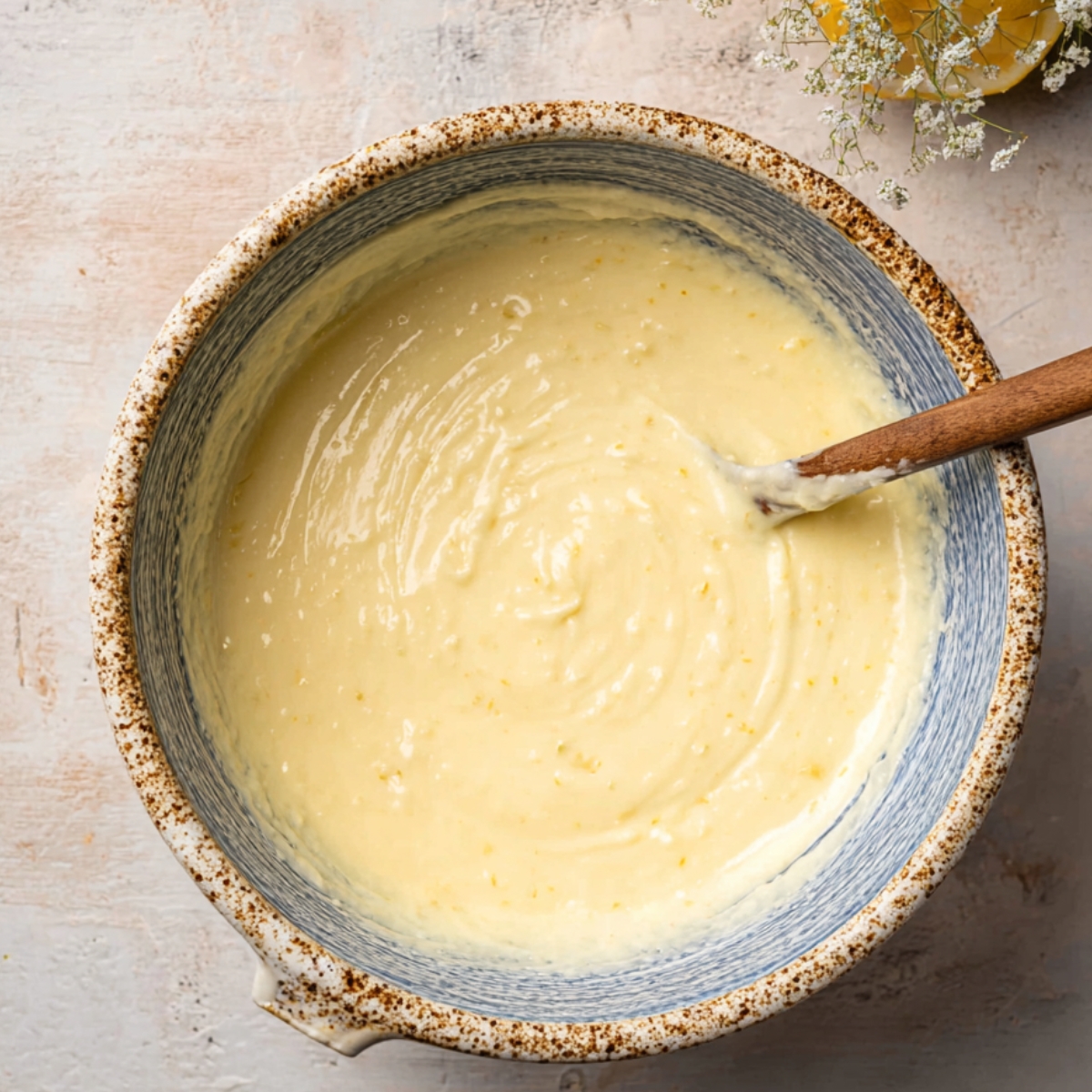
Incorporate sugar and zest: Add the lemon zest and half the powdered sugar, mixing on low speed first to avoid a sugar cloud, then increase to medium until combined. Add the remaining powdered sugar and mix until just blended. Set this bowl aside.
Make the Lemon Cake:
Preheat and prep: Preheat your oven to 350℉ (175℃). Grease a 9-inch springform pan generously and line the bottom with parchment paper so the cake releases easily.
Mix dry ingredients: In a small bowl, whisk together the flour, baking powder, baking soda, and salt until evenly combined. Set aside.
Infuse the sugar: In a large bowl, add the granulated sugar and lemon zest. Rub the zest into the sugar with your fingers for about 30 seconds. This releases the lemon oils and makes the whole cake more fragrant.
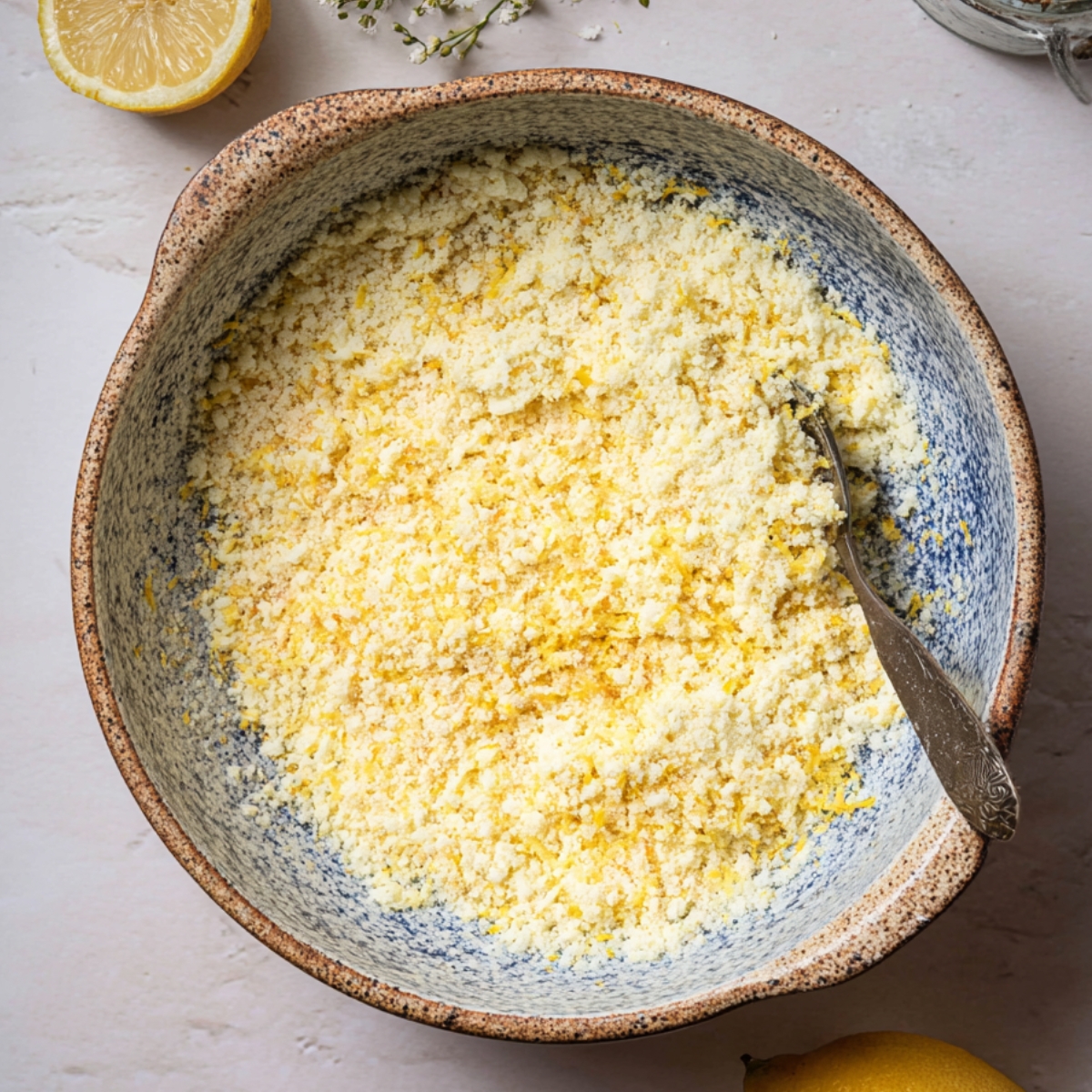
Cream butter and sugar: Add the softened butter to the lemon sugar and beat on high speed until light and fluffy, about 1 to 2 minutes. The mixture should look pale and airy.
Add wet ingredients: Mix in the egg, egg yolk, and vanilla on medium-high speed until smooth and pale, about 1 to 2 minutes. Scrape down the sides of the bowl as needed.
Combine wet and dry: Add about a third of the flour mixture, then half the buttermilk, mixing on low speed. Repeat with another third of the flour, the rest of the buttermilk, and finish with the remaining flour. Mix just until no streaks remain.
Layer the batter: Pour the cake batter into the prepared springform pan and spread it evenly with a mini offset spatula or the back of a spoon.
Add cream cheese layer: Pour the cream cheese mixture over the cake batter and spread it gently and evenly. It will settle as it bakes.
Bake: Bake for 35 to 40 minutes. The center should look shiny and jiggle slightly when you gently shake the pan. The edges will be golden brown and set. Don't overbake or the gooey layer will firm up too much.
Cool: Let the cake cool in the pan on a wire rack for 45 minutes, then transfer it to the refrigerator and chill for 2 hours. This helps the layers set properly.
Make the Lemon Curd:
Combine ingredients: In a small pot, whisk together the lemon juice, lemon zest, egg yolks, sugar, and salt until smooth.
Cook the curd: Place the pot over medium-low heat and cook for 12 to 15 minutes, stirring frequently with a whisk or wooden spoon. The mixture will gradually thicken and should coat the back of a spoon when ready. Don't rush this step or turn up the heat, or the eggs might scramble.
Add butter: Remove the pot from the heat and whisk in the cold butter cubes until fully melted and the curd looks glossy.
Cool: Transfer the curd to a heatproof bowl and press plastic wrap directly onto the surface to prevent a skin from forming. Let it cool completely at room temperature or in the fridge.
Assemble the Cake:
Release the cake: Once the cake has chilled, carefully remove the sides of the springform pan and transfer the cake to a serving plate.
Top with curd: Pour the cooled lemon curd over the top of the cake and spread it evenly with an offset spatula, letting it flow naturally to the edges.
Serve: Let the cake sit at room temperature for about 1 hour before serving for the best flavor and texture. If you made it ahead, just take it out of the fridge early.
Substitutions and Variations
- No buttermilk? Mix ½ cup of whole milk with 1 ½ teaspoons of white vinegar or lemon juice. Let it sit for 5 minutes, then use it in place of the buttermilk.
- Skip the lemon curd. If you're short on time, dust the top with powdered sugar instead. The Lemon Gooey Butter Cake is still delicious without the curd layer, just less dramatic.
- Add berries. Fresh raspberries or blueberries scattered over the lemon curd add color and a little tartness that plays nicely with the sweetness.
- Make it lime. Swap the lemon zest and juice for lime in all three layers. The flavor will be brighter and a little more tropical.
- Use a different pan. A 9x9-inch square baking pan works if you don't have a springform. Just line it with parchment so you can lift the whole cake out.
Equipment For Lemon Gooey Butter Cake
- Electric mixer or stand mixer with paddle attachment: Makes creaming the butter and beating the cream cheese much easier.
- 9-inch springform pan: Lets you remove the sides cleanly without disturbing the gooey layers.
- Parchment paper: Prevents sticking and makes cleanup easier.
- Small pot for curd: A heavy-bottomed pot works best for even heat distribution.
- Whisk and offset spatula: For mixing and spreading layers smoothly.
Storage and Make-Ahead Tips
Store leftovers in the refrigerator, covered loosely with plastic wrap or in an airtight container, for up to 4 days. The Lemon Gooey Butter Cake actually gets better after a day as the flavors meld together.
Make it ahead by baking the cake and making the curd a day in advance. Store them separately in the fridge, then assemble and bring to room temperature before serving.
Freezing isn't ideal for this Lemon Gooey Butter Cake because the cream cheese layer and curd don't freeze well. The texture changes and becomes grainy when thawed.
Bring to room temp before serving. Cold Lemon Gooey Butter Cake is fine, but letting it sit out for an hour brings out the full flavor and makes the gooey layer even softer.
Serving Suggestions
This Lemon Gooey Butter Cake is rich enough to stand on its own, but a few simple additions make it even better.
Whipped cream on the side adds a light, airy contrast to the dense, creamy layers. Keep it unsweetened or just barely sweetened so it doesn't compete with the Lemon Gooey Butter Cake.
Fresh berries like strawberries, raspberries, or blackberries cut through the richness and add a pop of color. Toss them with a tiny bit of sugar if they're tart.
Serve with coffee or tea. The brightness of the lemon pairs beautifully with a strong cup of coffee or a floral tea like Earl Grey.
Add a mint garnish for a fresh, pretty finish. Just a small sprig on each slice makes it look polished without any extra effort.
Expert Tips
Room temperature ingredients matter. Cold cream cheese won't blend smoothly, and cold eggs can cause the batter to curdle. Set everything out about an hour before you start.
Don't skip rubbing the zest into the sugar. This step releases the lemon oils and infuses the Lemon Gooey Butter Cake with way more flavor than just mixing them in would.
Use fresh lemon juice for the curd. Bottled juice tastes flat and won't give you that bright, fresh citrus punch.
Watch the jiggle. The Lemon Gooey Butter Cake is done when the center jiggles slightly but the edges are set and golden. If it looks completely firm, it's overbaked.
Chill before cutting. The layers need time to firm up. Cutting into a warm Lemon Gooey Butter Cake will give you a beautiful mess instead of clean slices.
FAQ
What is a gooey butter cake made of?
A gooey butter cake has a cake base topped with a soft, custardy layer made from cream cheese, eggs, and powdered sugar. The top layer stays slightly underbaked, giving it that signature gooey texture. In this version, we add lemon zest to both layers and finish with homemade lemon curd for extra citrus flavor.
How do I make lemon curd for a cake?
Whisk together lemon juice, zest, egg yolks, sugar, and a pinch of salt in a small pot. Cook over medium-low heat, stirring constantly, for 12 to 15 minutes until thickened. Remove from heat and whisk in cold butter until smooth. Let it cool completely before spreading it on the cake.
How long should lemon gooey butter cake cool before serving?
Let the Lemon Gooey Butter Cake cool in the pan for 45 minutes, then refrigerate for at least 2 hours so the layers set properly. Before serving, bring it to room temperature for about 1 hour. This gives you the best texture and brings out the full lemon flavor.
Can I use regular butter instead of unsalted butter in this Lemon Gooey Butter Cake?
You can, but the cake might taste a bit saltier than intended. Unsalted butter lets you control the salt level more precisely. If you only have salted butter, reduce the added salt in the recipe by half and taste as you go.
Related
Looking for other recipes like this? Try these:

Pairing
These are my favorite dishes to serve with Lemon Gooey Butter Cake
Lemon Gooey Butter Cake
Ingredients
Method
- Add cream cheese to a large bowl and beat on medium-high speed until smooth, about 1-2 minutes.
- Add the egg and egg yolk, mixing on medium speed until fully combined.
- Add lemon zest and half of the powdered sugar, mixing on low then medium speed until well combined. Then, add the remaining powdered sugar and mix until smooth.
- Preheat the oven to 350°F (175°C). Grease a 9-inch springform pan and line the bottom with parchment paper.
- In a small bowl, whisk together flour, baking powder, baking soda, and salt. Set aside.
- In a large bowl, combine sugar and lemon zest. Rub the lemon zest into the sugar with your fingertips to release the oils.
- Add softened butter to the sugar mixture and cream together using an electric mixer on high speed for 1-2 minutes, until fluffy.
- Add the egg, egg yolk, and vanilla extract, mixing on medium-high speed until pale and smooth, about 1-2 minutes.
- Gradually mix in the flour mixture and buttermilk, alternating between the two, until fully incorporated and smooth.
- Pour the cake batter into the prepared pan and spread evenly. Pour the cream cheese mixture over the top, spreading it evenly.
- Bake for 35-40 minutes, or until the center has a slight jiggle and the edges are lightly golden brown.
- Let the cake cool in the pan on a wire rack for 45 minutes, then refrigerate for at least 2 hours to set.
- In a small pot, whisk together lemon juice, lemon zest, egg yolks, sugar, and a pinch of salt.
- Heat the mixture over medium-low heat for 12-15 minutes, stirring constantly, until thickened enough to coat the back of a spoon.
- Remove from heat and whisk in cold cubed butter until fully melted.
- Transfer the curd to a heatproof bowl, cover with plastic wrap to prevent a skin from forming, and let cool completely.
- Once the cake is fully cooled, remove it from the springform pan and transfer to a serving plate.
- Pour the lemon curd over the cooled cake and spread evenly. Serve and enjoy!
Leave a Reply