
This Lemon Velvet Cake is everything a citrus lover dreams about soft, tender layers soaked with bright lemon flavor, filled with silky homemade lemon curd, and covered in tangy cream cheese frosting. The first time I made this for my sister Karla's birthday, she took one bite and declared it better than any bakery cake she'd ever had. What makes this recipe special is how the buttermilk keeps everything incredibly moist while the lemon zest and extract give you that punchy, sunny flavor in every forkful.


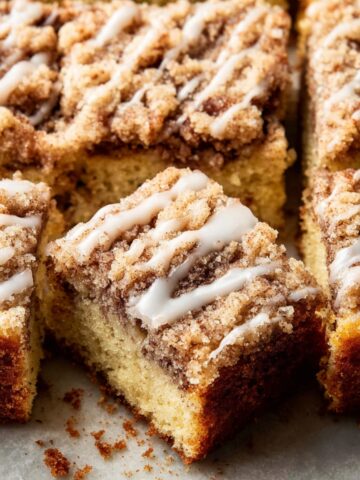
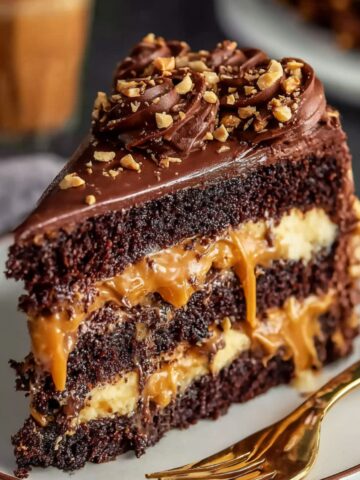
If you're looking for a showstopper dessert that's surprisingly simple to pull together, this is it. It pairs beautifully with other citrusy treats like Sour Cream Coffee Cake for a weekend brunch spread, or serve it alongside Grasshopper Pie for a fun flavor contrast at your next gathering. And if you love layered cakes as much as I do, you'll want to try my Salted Caramel Cake next.
What Makes This Lemon Velvet Cake Special
Lemon Velvet Cake have a unique texture that's somewhere between fluffy and dense. They're softer than regular layer cakes, with a fine crumb that almost melts on your tongue. This lemon velvet cake gets its velvety texture from the combination of cake flour, buttermilk, and oil, which keeps every bite ridiculously moist.
The layers are brushed with homemade lemon curd that soaks in just a bit, adding pockets of intense citrus flavor. Then there's the lemon cream cheese frosting, which balances the brightness with a subtle tang. The ganache drip is optional, but it gives the Lemon Velvet Cake that polished, professional look.
Jump to:
Lemon Velvet Cake Ingredients
Here's everything for this Lemon Velvet Cake with buttermilk, broken down by component so you can prep in stages if you want.
See Recipe Card Below This Post For Ingredient Quantities
For the Lemon Cake
- Cake flour: Creates that super-fine, tender crumb that makes velvet cakes so special. If you only have all-purpose flour, you can use it, but the texture won't be quite as delicate.
- Granulated sugar: Sweetens the cake and helps create moisture as it bakes.
- Salt: Balances the sweetness and brings out the lemon flavor.
- Baking powder and baking soda: Work together to give the cake a nice rise and keep the texture light.
- Unsalted butter (softened): Adds richness and helps create that melt-in-your-mouth quality. Make sure it's truly soft so it blends smoothly.
- Buttermilk: Keeps the cake incredibly moist and adds a subtle tang that complements the lemon. You can make a quick substitute by adding 1 tablespoon of white vinegar to regular milk.
- Vegetable oil: Adds extra moisture and keeps the cake tender even after it's been refrigerated.
- Large eggs: Bind everything together and add structure.
- Lemon zest: Packed with essential oils that give you the most intense lemon flavor.
- Lemon extract: Boosts the citrus taste without adding extra liquid.
- Lemon juice: Adds brightness and a touch of acidity to balance the sweetness.
For the Lemon Curd
- Lemon juice: The star of the curd, giving it that tangy, vibrant flavor. Fresh-squeezed tastes best, but bottled works too.
- Lemon zest: Adds extra lemon punch and those tiny flecks of yellow that look so pretty.
- Granulated sugar: Sweetens the curd and helps it thicken as it cooks.
- Egg yolks: Create that silky, custard-like texture. Save the whites for another recipe or make meringue cookies.
- Salt: Just a pinch to enhance the lemon flavor.
- Unsalted butter: Whisked in at the end for richness and a glossy finish.
- Cornstarch: Helps thicken the curd and keeps it stable.
For the Lemon Cream Cheese Frosting
- Cream cheese (softened): Adds tang and a smooth, creamy texture. Let it sit at room temperature so it blends without lumps.
- Unsalted butter (softened): Creates a frosting that's rich but not too heavy.
- Powdered sugar (sifted): Sweetens and thickens the frosting. Sifting prevents lumps and makes it easier to spread.
- Lemon extract: Ties the frosting flavor to the rest of the cake.
- Salt: Balances the sweetness and enhances all the other flavors.
For the Lemon Juice Ganache
- Lemon juice: Adds a citrus twist to classic white chocolate ganache.
- White chocolate: Ghirardelli candy melts work beautifully here because they melt smoothly. Regular white chocolate chips can work but might need a little cream to thin.
- White and yellow food coloring (optional): Just a couple drops to make the ganache look bright and pretty when it drips down the sides.
How to Make Lemon Velvet Cake
Here's how to bring this gorgeous Lemon Velvet Cake with cream cheese frosting together, step by step.
For the Lemon Cake
Preheat and prep: Preheat your oven to 335°F (168°C). Prepare three 6"x2" pans or two 8"x2" pans with cake goop or your favorite pan release method so the cakes come out clean.
Mix the wet ingredients: In a small bowl, combine 4 oz of buttermilk with the vegetable oil and set it aside. In another bowl, add the remaining 6 oz of buttermilk along with the eggs, lemon zest, lemon extract, and lemon juice. Whisk lightly and set aside.
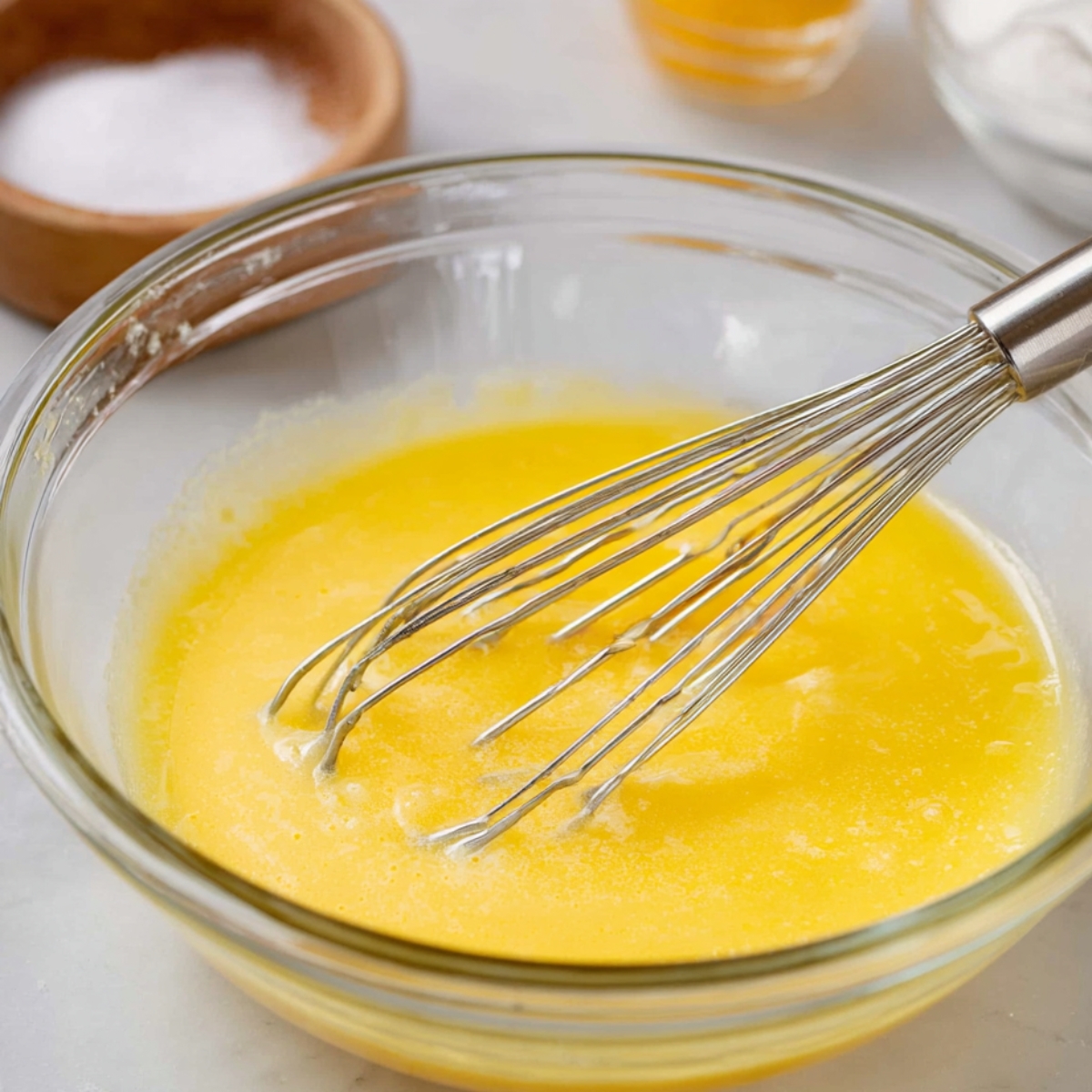
Combine the dry ingredients: In your stand mixer bowl, add the cake flour, granulated sugar, salt, baking powder, and baking soda. Turn the mixer to the lowest speed.
Add the butter: Drop in the softened butter in small chunks and mix until the flour mixture looks like coarse sand. This reverse creaming method is what gives velvet cakes their signature texture.
Add the oil mixture: Pour in the oil and buttermilk mixture all at once and mix on medium speed (2 on Bosch, 4 on KitchenAid) for 2 minutes. This step helps develop the structure.
Add the egg mixture: Scrape down the bowl, then slowly add the milk and egg mixture in 3 parts. Mix for 10 seconds between each addition. Scrape the bowl halfway through to make sure everything's combined evenly.
Check the batter: The batter should be thick and smooth. If it looks separated or curdled, your ingredients might have been too cold or you added the liquid too fast.
Fill the pans: Divide the batter between your prepared pans, filling each about ¾ full. Tap each pan gently on the counter to level the batter and release any air bubbles.
Bake: Bake at 335°F (168°C) for 35 to 40 minutes, or until a toothpick inserted into the center comes out clean. The tops should be golden and spring back lightly when touched.
Cool: Let the cakes cool in the pans for 15 minutes, then flip them onto a cooling rack. Once they're cool enough to handle, wrap them in plastic wrap and refrigerate until completely cool. This makes them easier to frost and helps them hold their shape.
For the Lemon Curd
Prep the lemons: Zest and juice your lemons. Set the zest aside and measure out the juice.
Mix the egg base: In a bowl, whisk together the egg yolks, cornstarch, and salt until smooth. Set aside.
Heat the lemon mixture: Combine the lemon juice, granulated sugar, and lemon zest in a sauté pan. Bring it to a simmer over medium heat, stirring constantly so the sugar dissolves.
Temper the eggs: Scoop about 1 cup of the hot lemon mixture and slowly drizzle it into the egg yolk mixture while whisking constantly. This warms up the eggs gradually so they don't scramble.
Cook the curd: Pour the tempered egg mixture back into the pan, whisking constantly. Cook over medium heat until the curd thickens, about 2 minutes. It should reach 170°F to 180°F on a thermometer.
Add the butter: Remove from heat and add the butter in chunks, whisking until it's fully melted and incorporated. The curd should look glossy and smooth.
Store: Pour the curd into a heat-proof container. Press a piece of plastic wrap directly onto the surface to prevent a skin from forming. Store in the fridge for up to 1 week, or freeze it for longer.
For the Lemon Cream Cheese Frosting
Cream the butter: In your stand mixer, beat the softened butter on low speed until it's smooth and creamy.
Add the cream cheese: Add the softened cream cheese in small chunks and blend on low speed until everything's smooth and fully combined. Scrape down the sides as needed.
Add the sugar: Gradually add the sifted powdered sugar, about one cup at a time, mixing well between each addition. This prevents sugar clouds in your kitchen and keeps the frosting smooth.
Finish the frosting: Add the lemon extract and salt, then mix until just combined. Don't over-mix or the frosting can separate and get greasy.
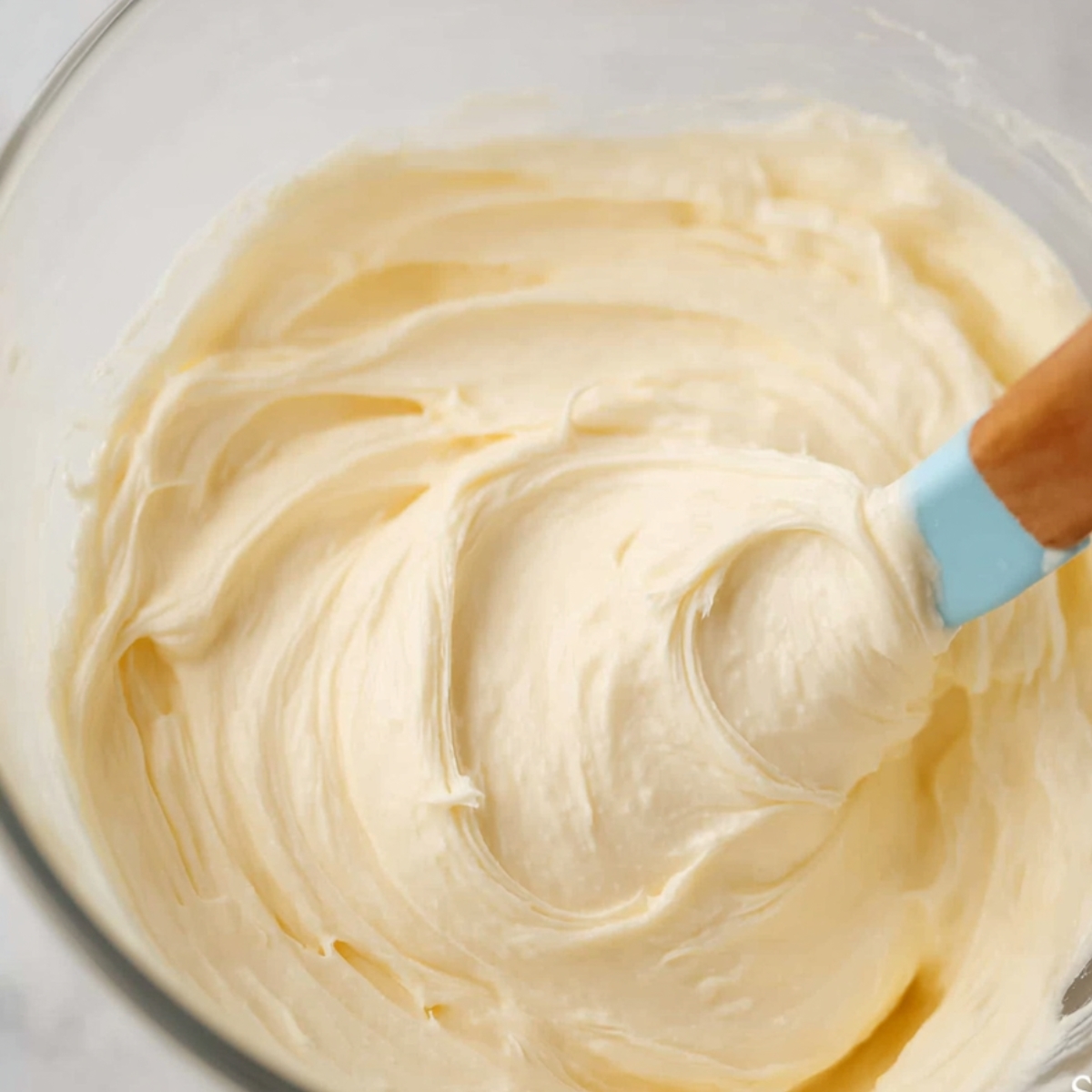
For the Lemon Ganache
Heat the ingredients: Microwave the white chocolate for 1 minute and the lemon juice for 30 seconds. You can also use a double boiler if you prefer.
Combine: Pour the heated lemon juice over the chocolate and let it sit for 5 minutes without stirring. This helps the chocolate melt evenly.
Whisk until smooth: After 5 minutes, whisk everything together until the ganache is smooth and glossy. Add a drop or two of food coloring if you want it to look more vibrant.
Cool: Let the ganache cool to about 90°F before drizzling it over the cake. If it's too hot, it'll run right off the sides.
Ingredient Substitutions and Swaps
No buttermilk? Add 1 tablespoon of white vinegar or lemon juice to regular milk and let it sit for 5 minutes. It'll thicken slightly and work just as well.
Can I use all-purpose flour instead of cake flour? Yes, but the texture won't be quite as tender. For every cup of all-purpose flour, remove 2 tablespoons and replace with 2 tablespoons of cornstarch to get closer to Lemon Velvet Cake flour.
Dairy-free options? You can try using a plant-based butter and cream cheese for the frosting, but I haven't tested it myself. The texture might be a little different.
No lemon extract? Use an extra teaspoon of lemon zest or add a tiny bit more lemon juice. The flavor will still be bright and lemony.
Equipment For Lemon Velvet Cake
Here's what makes this Lemon Velvet Cake easier to put together.
- Stand mixer: Makes the reverse creaming method much simpler and ensures everything's mixed evenly.
- Three 6-inch or two 8-inch cake pans: Choose based on how tall you want your layers.
- Sauté pan or medium saucepan: For cooking the lemon curd.
- Whisk: Essential for the curd so you can keep everything moving and smooth.
- Offset spatula: Helps you spread the frosting evenly and get those clean, professional-looking layers.
- Cooling rack: Lets air circulate under the cakes so they cool faster and more evenly.
- Candy thermometer (optional): Takes the guesswork out of cooking the curd to the right temperature.
Storage Tips For Lemon Velvet Cake
Room temperature: This Lemon Velvet Cake is best stored in the fridge because of the cream cheese frosting, but if your kitchen is cool, it can sit out for a few hours during a party.
Refrigerator: Cover the cake with a Lemon Velvet Cake dome or loosely with plastic wrap and store for up to 5 days. Let it sit at room temperature for about 30 minutes before serving so the frosting softens.
Freezer: You can freeze the unfrosted Lemon Velvet Cake layers wrapped tightly in plastic wrap for up to 3 months. Thaw them in the fridge overnight before assembling. The frosted cake can be frozen too, but the ganache might lose some of its shine.
Lemon curd: Keeps in the fridge for up to a week in an airtight container, or freeze it for up to 3 months.
Serving Suggestions
This Lemon Velvet Cake dessert for special occasions is gorgeous on its own, but here are a few ways to serve it.
With fresh berries: A handful of raspberries or blueberries on the side adds a pop of color and a touch of tartness that complements the lemon.
Alongside vanilla ice cream: The cold, creamy ice cream melts into the Lemon Velvet Cake and makes every bite even more indulgent.
With a cup of hot tea: Earl Grey or chamomile tea pairs beautifully with the citrus flavor and makes this feel like an elegant afternoon treat.
At a spring brunch: Slice this Lemon Velvet Cake into smaller pieces and serve it alongside quiches and fresh fruit for a gorgeous brunch spread. It also goes perfectly with Cake Batter Chocolate Chip Cookie or a slice of Greek Honey Pie if you're hosting a dessert table.
Expert Tips
Bring everything to room temperature. Cold eggs and butter don't mix well and can cause the batter to separate. Set everything out about an hour before you start.
Don't skip the reverse creaming method. Mixing the butter into the dry ingredients first is what gives this Lemon Velvet Cake its velvety texture. It might feel odd if you're used to traditional creaming, but trust the process.
Watch the curd closely. It can go from perfectly smooth to scrambled in seconds if it gets too hot. Stir constantly and remove it from heat as soon as it thickens.
Chill the cake layers before frosting. Cold Lemon Velvet Cake is so much easier to work with. The layers won't slide around, and the frosting goes on smoother.
Let the ganache cool before dripping. If it's too warm, it'll run right off the Lemon Velvet Cake. Test it on the side of a glass first to see if it has the right consistency.
FAQ
What's the difference between a velvet cake and a regular cake?
Velvet cakes use a mixing method called reverse creaming, where you mix the butter into the dry ingredients first instead of creaming it with the sugar. This creates a finer, more tender crumb that feels almost silky when you eat it. Regular cakes tend to have a slightly coarser texture. The buttermilk in velvet cakes also adds moisture and a subtle tang that makes them extra soft.
Do red velvet and lemon go together?
They're not usually paired because red velvet has cocoa and a mild chocolate flavor, while lemon is bright and citrusy. The flavors don't naturally complement each other the way chocolate and raspberry or lemon and vanilla do. If you love both, I'd keep them as separate cakes rather than trying to combine them.
What is the secret ingredient to a moist Lemon Velvet Cake?
For this Lemon Velvet Cake, it's the combination of buttermilk and vegetable oil. The buttermilk adds moisture and a slight tang, while the oil keeps the cake tender even after it's been refrigerated. Oil-based cakes stay softer longer than butter-only cakes because oil is liquid at room temperature. The reverse creaming method helps too, by coating the flour in fat before the liquid goes in.
What is the 1234 cake rule?
The 1234 rule is an old-fashioned way to remember cake proportions: 1 cup butter, 2 cups sugar, 3 cups flour, and 4 eggs. It makes a simple, classic pound cake. This Lemon Velvet Cake doesn't follow that ratio because it uses the reverse creaming method and includes buttermilk and oil for extra moisture and tenderness. The 1234 rule is great for basic cakes, but modern recipes like this one are more precise for specific textures and flavors.
Related
Looking for other recipes like this? Try these:



Pairing
These are my favorite dishes to serve with Lemon Velvet Cake



Lemon Velvet Cake
Ingredients
Method
- Preheat your oven to 335ºF (168ºC).
- Prepare three 6"x2" cake pans or two 8"x2" cake pans with cake release spray or pan goop. Optionally, line with parchment paper for easy removal.
- In a separate bowl, combine 4 ounces of buttermilk with the oil and set aside.
- In another bowl, whisk together the remaining 6 ounces of buttermilk, eggs, lemon zest, lemon extract, and lemon juice until the eggs are broken up.
- In the bowl of a stand mixer, combine the cake flour, sugar, salt, baking powder, and baking soda. Mix on low speed until well combined.
- Add the softened butter in small chunks to the dry mixture, mixing until the texture resembles coarse sand.
- Gradually add the oil/buttermilk mixture to the dry ingredients and mix on medium speed for about 2 minutes to develop the cake's structure.
- Slowly add the milk/egg mixture in 3 parts, mixing for about 10 seconds between additions. Scrape the bowl halfway through to ensure everything is incorporated.
- Fill the prepared pans with batter, about ¾ full. Tap the pans to level the batter and remove air bubbles.
- Bake at 335ºF (168ºC) for 35-40 minutes or until a toothpick comes out clean from the center. Let the cakes cool for 15 minutes before flipping onto a cooling rack. Let cool completely.
- Once cooled, wrap cakes in plastic wrap and refrigerate to firm them up for easier handling before frosting.
- While the cakes cool, prepare the lemon curd. zest the lemons and juice them. In a bowl, whisk together the egg yolks, cornstarch, and salt.
- In a pan, combine the lemon juice, zest, and sugar. Bring to a simmer while stirring constantly.
- Slowly add the hot lemon mixture into the egg yolk mixture, whisking constantly to temper the eggs. Return the mixture to the pan and cook, whisking, until thickened.
- Once thickened, remove from heat and whisk in the butter until smooth. Let cool.
- For the frosting, beat the softened butter in a stand mixer until smooth. Add the cream cheese in chunks and blend until smooth.
- Gradually add the powdered sugar, one cup at a time, until fully incorporated. Add the lemon extract and salt, mixing just until combined.
- For the ganache, microwave the chocolate and lemon juice for 1 minute. Stir until smooth and let sit for 5 minutes. Stir in food coloring, if using.
- Once the ganache has cooled to 90ºF (32ºC), drizzle it over the chilled cake.
Leave a Reply