
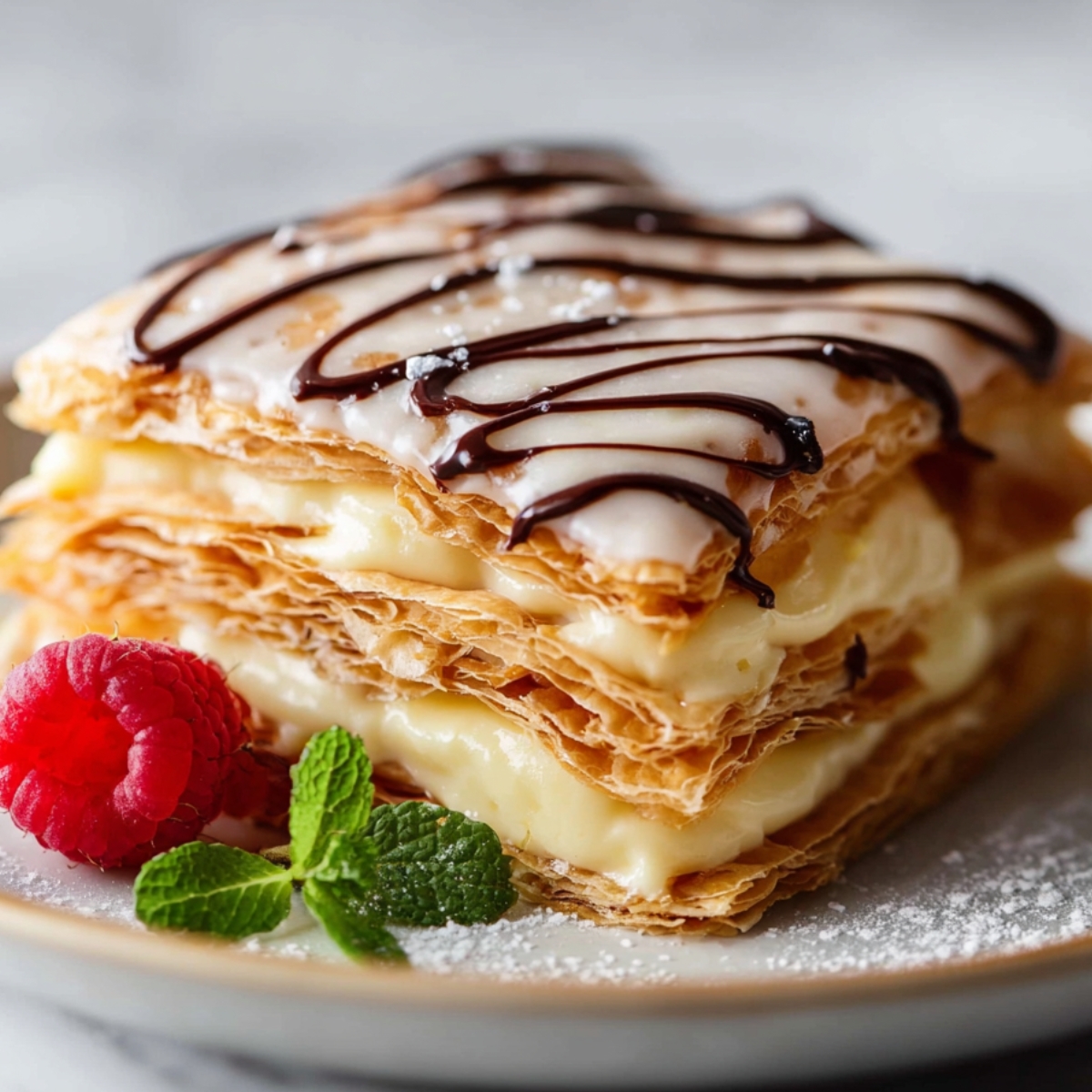
These delicate layers of golden puff pastry, silky vanilla cream, and glossy chocolate-marbled icing taste like something you'd find in a Parisian patisserie window. I first tried making mille feuille after a trip to France left me craving that perfect combination of buttery flakes and cool, sweet custard. It looks fancy, but with store-bought puff pastry, it's surprisingly manageable for a weekend baking project. The first bite always gets me-the way the crisp pastry shatters just slightly, giving way to that dreamy vanilla pastry cream.

If you've been wanting to try your hand at an Easy Bûche De Noël Recipe or maybe even Easy Strawberry Danish Recipe, this classic French puff pastry dessert is a beautiful next step that'll make you feel like a real pastry chef.
What Makes This Mille Feuille Special
There's a reason this Mille Feuille has been loved for centuries. The name literally means "thousand leaves" in French, and while you won't be counting every flaky layer, you'll definitely notice how they melt on your tongue. This version uses a silky vanilla pastry cream filling that's lightened with whipped cream, making it softer and more luxurious than traditional versions. The marbled chocolate topping adds visual drama without overpowering the delicate vanilla flavor underneath.
What I love most is how this Mille Feuille strikes a balance between impressive presentation and actual home-kitchen doability. You're not tempering chocolate or making complicated sugar work. You're working with straightforward techniques that just require a little patience and attention to detail.
Jump to:
Mille Feuille Ingredients
Here's everything you need to make this Mille Feuille.
See Recipe Card Below This Post For ingtedient Quantites
For the Dough:
- Puff pastry: 1 lb. homemade rough puff or two sheets of store-bought frozen puff pastry, thawed. This creates those signature flaky, buttery layers that make the dessert so special.
- All-purpose flour: Just enough to dust your work surface while rolling. Keeps the dough from sticking without adding extra weight.
For the Pastry Cream Filling:
- Egg yolks:These create the rich, custardy base of your cream filling and give it that beautiful pale yellow color.
- Cornstarch: Thickens the custard to the perfect spreadable consistency without making it gluey.
- Whole milk: Don't substitute with low-fat or nondairy versions here, the fat content is essential for proper texture and flavor.
- Granulated sugar: Sweetens the cream while helping it set properly as it cools.
- Unsalted butter: Adds richness and a silky mouthfeel to the finished cream.
- Vanilla extract: Provides that classic, warm vanilla flavor throughout.
- Vanilla bean: Those little black specks add visual appeal and intense vanilla taste.
- Salt: Small pinch. Balances the sweetness and brings out all the other flavors.
- Heavy cream: Whipped and folded into the pastry cream to lighten it and create an almost mousse-like texture.
For the Topping:
- Confectioners' sugar: Forms the base of your white icing, smooth and sweet.
- Milk: Thins the icing to the right consistency for spreading.
- Vanilla extract: Adds flavor to the icing so it's not just plain sugar.
- Semi-sweet chocolate: Melted and piped onto the icing to create that beautiful marbled design on top.
How to Make Mille Feuille
Here's how to build this stunning Mille Feuille step by step.
Prepare the dough: If you're using homemade rough puff pastry, follow your recipe through the second refrigeration, then keep it chilled until you're ready to roll. For store-bought puff pastry, thaw the sheets according to package directions and keep them cold in the fridge.
Make the pastry cream: In a heatproof bowl, whisk together the egg yolks and cornstarch until the mixture looks thick and smooth, adding just a few drops of milk if it seems too stiff. In a medium saucepan, combine the milk and sugar over medium heat, stirring until the sugar dissolves completely. Let it come to a gentle simmer, then remove from the heat. Slowly pour the warm milk into the egg mixture, whisking constantly so the eggs don't scramble. Pour everything through a fine sieve back into the saucepan to catch any lumps.
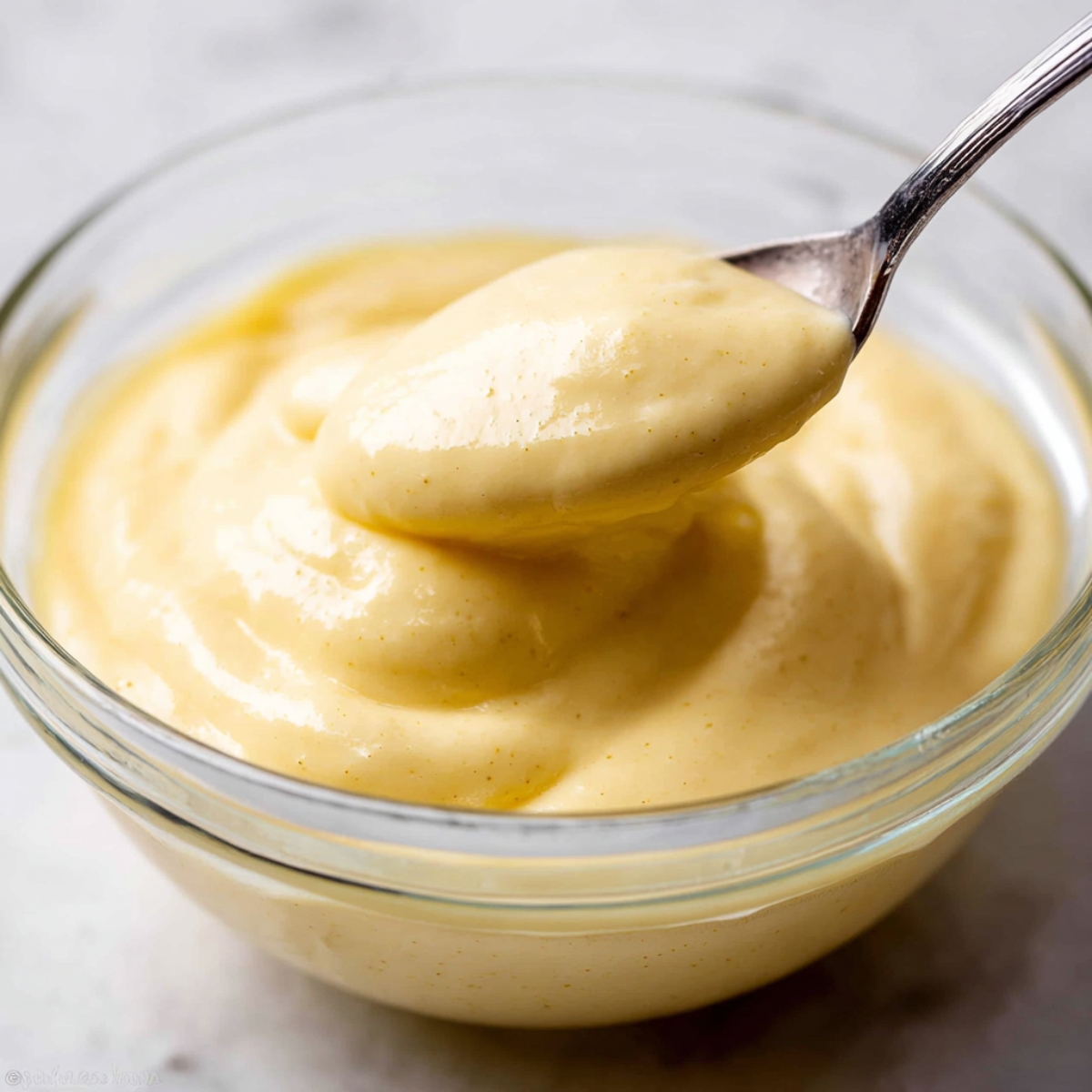
Return the pan to medium heat and whisk steadily until the custard thickens, about 1 to 2 minutes. You'll know it's ready when it reaches 185 to 190°F on an instant-read thermometer. Take it off the heat and whisk in the butter, vanilla extract, vanilla bean seeds, and salt until everything melts together smoothly. Let it cool for 10 minutes, then transfer to a clean bowl. Press plastic wrap or parchment directly onto the surface to prevent a skin from forming, and refrigerate for at least 3 hours.
Preheat the oven: Set your oven to 400°F (204°C). Line a 12x17-inch baking sheet with parchment paper and have a second sheet and more parchment ready to use as a weight.
Shape the dough: On a lightly floured surface, roll your puff pastry into an 11x16-inch rectangle. If you're using two store-bought sheets, roll them out side by side to create one large piece. Transfer the dough to your prepared baking sheet and prick the entire surface with a fork to keep it from puffing up too much. Lay a sheet of parchment on top, then place the second baking sheet on top of that and fill it with pie weights or dried beans.
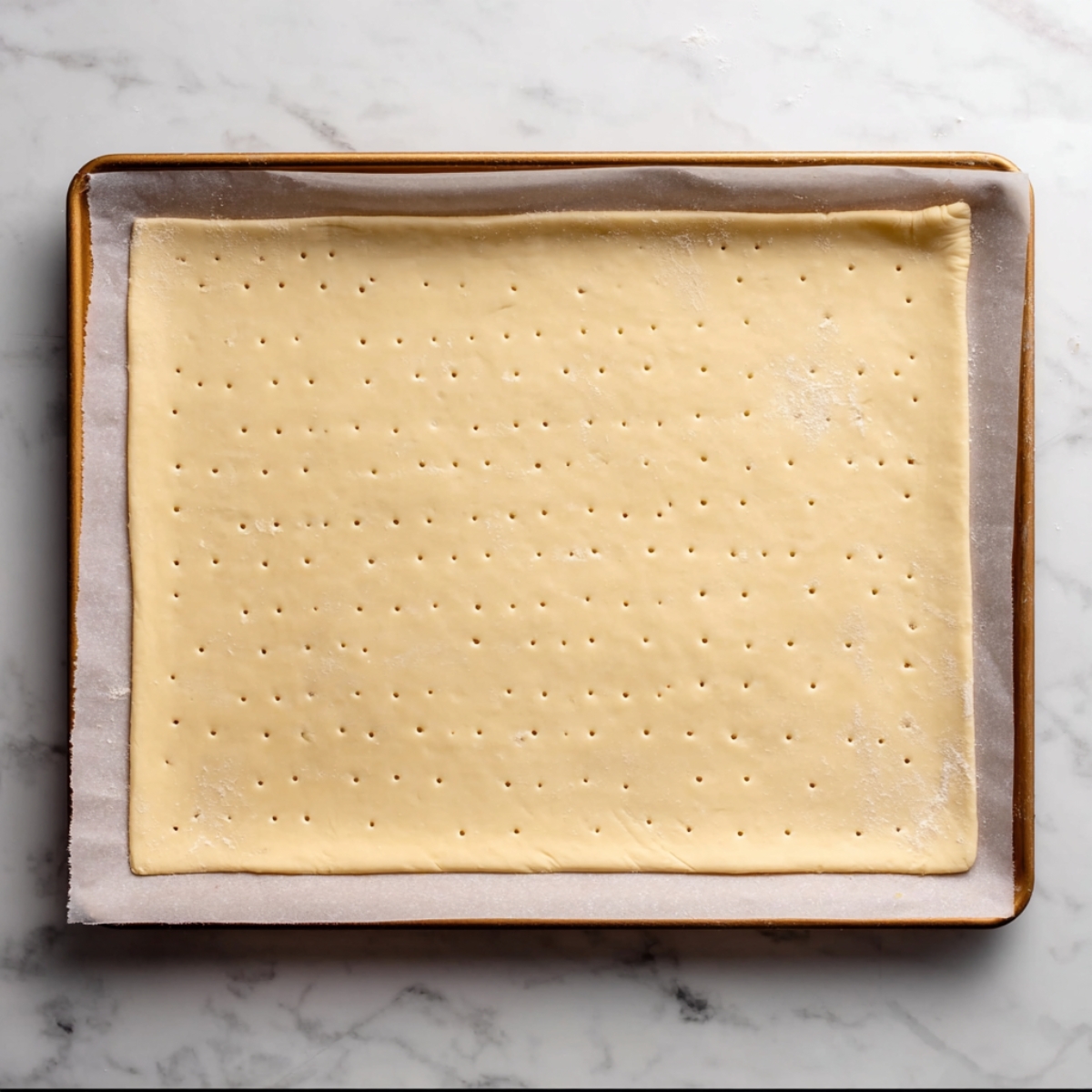
Bake for 20 minutes, then carefully remove the top baking sheet and weights. Continue baking for another 7 to 9 minutes until the pastry turns golden brown and crisp. Let it cool on the pan for 20 minutes.
Finish the cream filling: Pour the cold heavy cream into a mixing bowl and whip on medium-high speed until you see medium peaks form, about 3 minutes. Add your chilled pastry cream and beat on low speed just until everything looks smooth and well combined. Pop it back in the fridge for at least 1 hour to firm up.
Assemble the pastries: Once the baked pastry is cool, trim off any uneven edges with a sharp knife. Cut the pastry into 15 squares, roughly 3x3 inches each. In a small bowl, whisk together the confectioners' sugar, milk, and vanilla extract until smooth and spreadable. Melt your chopped chocolate in the microwave using 20-second bursts, stirring between each one. Spread a thin layer of vanilla icing on one pastry square, then immediately pipe straight lines of melted chocolate across the top. Drag a toothpick through the lines in alternating directions to create the classic chevron or feathered pattern. Repeat with all remaining squares and let the icing set for a few minutes.
Build the Mille Feuille: Transfer your cream filling to a piping bag fitted with a large round tip, or use a squeeze bottle. Pipe three thick rows of cream onto one plain pastry square. Gently press another pastry square on top and pipe three more rows of cream. Finish by topping with one of your decorated iced squares, pattern side up. Repeat to build all five pastries. Refrigerate uncovered for 30 minutes before serving to let everything set.
Serve: Slice each pastry with a sharp serrated knife, using a gentle sawing motion so you don't crush the layers. Serve chilled. Store any leftovers in an airtight container in the refrigerator for up to 3 days.
Substitutions and Variations
Different extracts: Swap the vanilla for almond extract in the pastry cream for a subtle nutty flavor that pairs beautifully with the buttery pastry.
Chocolate pastry cream: Add 2 tablespoons of cocoa powder to your custard along with the cornstarch for a rich chocolate version.
Fruit layers: Tuck thin slices of fresh strawberries or raspberries between the cream layers for a fruity twist, similar to the classic cream-filled pastry you'd find in French bakeries.
Coffee flavor: Dissolve 1 teaspoon of instant espresso powder into your warm milk mixture for a subtle coffee note.
Different toppings: Skip the chocolate marbling and dust the tops with powdered sugar, or use a simple chocolate ganache instead of the icing.
Equipment For Mille Feuille
- Whisk: For mixing the custard and keeping it smooth.
- Sieve: Strains out any lumps from your pastry cream.
- Instant-read thermometer: Takes the guesswork out of knowing when your custard is perfectly cooked.
- Electric mixer: Makes whipping the heavy cream quick and easy. A handheld or stand mixer both work great.
- Rolling pin: To roll out your puff pastry evenly.
- Parchment paper: Prevents sticking and makes cleanup easier.
- Baking sheet: You'll need two, one for baking and one to use as a weight.
- Pie weights: Or dried beans, to keep the pastry flat while it bakes.
- Cooling rack: Lets air circulate around the pastry as it cools.
- Small offset spatula: Perfect for spreading the icing smoothly.
- Piping bag or squeeze bottle: For creating neat rows of cream filling.
- Ateco 808 piping tip: Optional, but it makes beautiful, clean cream layers.
Storage and Make-Ahead Tips
Refrigerator storage: Assembled Mille Feuille keeps well in an airtight container for up to 3 days. The pastry will soften slightly as it sits, but the flavor actually improves as everything melds together.
Pastry cream ahead: Make your pastry cream up to 2 days in advance and keep it covered in the fridge. Whip the heavy cream and fold it in on the day you plan to assemble.
Baked pastry storage: Bake and cut your pastry squares up to 1 day ahead. Store them in an airtight container at room temperature so they stay crisp.
Freezing: I don't recommend freezing assembled pastries as the cream can become watery when thawed. However, you can freeze unbaked puff pastry dough for up to 3 months.
Assembly timing: For the crispest results, assemble your Mille Feuille no more than 4 hours before serving. The longer it sits, the softer the pastry becomes.
Serving Suggestions
With coffee: A strong espresso or café au lait cuts through the richness perfectly and makes this feel like a true French café experience.
Fresh berries on the side: A handful of raspberries, strawberries, or blackberries adds a tart contrast to the sweet cream.
Whipped cream dollop: A small spoonful of lightly sweetened whipped cream on the side makes each serving feel extra indulgent.
Dusted with cocoa: Just before serving, dust the plates with a light sprinkle of cocoa powder for a professional presentation touch.
Expert Tips
Keep everything cold: Cold Mille Feuille bakes up flakier and rises better. If your dough gets warm while you're working with it, pop it back in the fridge for 10 minutes.
Don't skip the docking: Pricking the pastry with a fork prevents it from puffing up too much and gives you nice, even layers that are easier to stack.
Weigh it down: Using a second baking sheet and weights ensures your pastry bakes flat and even, which is essential for clean assembly later.
Strain the custard: Even if you think your pastry cream looks smooth, straining it guarantees no lumps make it into your final filling.
Watch the icing consistency: Your vanilla icing should be thick enough to stay put but thin enough to spread easily. If it's too thick, add milk a few drops at a time.
Pipe quickly: When you add the chocolate lines to the icing, work fast before the icing sets. You only have a minute or two to create your marbled pattern.
FAQ
What are the ingredients in a Mille Feuille?
A traditional mille feuille has three main components: layers of baked puff pastry, vanilla pastry cream filling, and a sweet icing topping, often decorated with chocolate. Some versions include whipped cream folded into the pastry cream for extra lightness.
What is Mille Feuille called in English?
In English, it's commonly called Napoleon or Napoleon pastry. The French name "Mille Feuille" translates to "thousand leaves," referring to the many thin layers created when puff pastry bakes. Both names describe the same elegant French dessert.
Can I make Mille Feuille with puff pastry?
Absolutely. In fact, store-bought puff pastry works beautifully for this recipe and saves you hours of work. Just make sure to buy quality all-butter puff pastry for the best flavor and flakiest texture. Thaw it in the fridge overnight before using.
How many layers are in a Mille Feuille?
A classic Mille Feuille has three layers of pastry with two layers of cream in between. While the name suggests a thousand layers, it actually refers to the many thin layers within the puff pastry itself, which can number in the hundreds depending on how the dough was laminated. Each assembled pastry typically stacks three pastry sheets total.
Related
Looking for other recipes like this? Try these:
Pairing
These are my favorite dishes to serve with Mille Feuille
Mille Feuille
Ingredients
Method
- If using homemade dough, prepare it up to the second refrigeration stage. If using store-bought puff pastry, follow package instructions to thaw. Keep dough chilled until step 7.
- Prepare the pastry cream: Whisk egg yolks and cornstarch together in a heatproof bowl until combined. It may seem dry, but keep mixing until smooth. If necessary, add a few drops of milk.
- In a medium saucepan, heat milk and sugar over medium heat, whisking until the sugar dissolves, then bring to a simmer. Remove from heat. Slowly pour the warm milk mixture into the egg yolk mixture while whisking constantly to prevent scrambling. Strain through a sieve back into the saucepan.
- Return saucepan to medium heat and whisk constantly. The mixture will froth, then thicken, with bubbles breaking on the surface. Continue for 1-2 minutes until the custard reaches 185-190°F (85-88°C). Remove from heat, then whisk in butter, vanilla, vanilla bean seeds, and salt. Cool for 10 minutes.
- Transfer the pastry cream to a bowl and cover with plastic wrap or parchment to prevent skin from forming. Refrigerate for at least 3 hours, up to 24 hours.
- Preheat oven to 400°F (204°C). Line a baking sheet with parchment. Prepare another sheet and parchment. Set aside.
- Roll the puff pastry into an 11x16 inch rectangle on a floured surface. If using frozen pastry, overlap and roll to stick the sheets together.
- Transfer to the prepared sheet. Dock the dough with a fork to allow steam to escape. Cover with parchment, then place another baking sheet with pie weights or dried beans on top. Bake for 20 minutes, then remove the top sheet and weights, and bake for an additional 7-9 minutes until golden brown. Cool for 20 minutes.
- Whip cold heavy cream to medium peaks, about 3 minutes. Add chilled pastry cream to the whipped cream and beat on low until smooth and combined. Do not overmix. Chill for at least 1 hour.
- Trim the cooled pastry into 15 even squares using a sharp knife.
- For the topping, whisk together sifted powdered sugar, milk, and vanilla until smooth. Microwave chopped chocolate in 20-second bursts until fully melted and smooth. transfer to a piping bag or squeeze bottle.
- For assembly, pipe 3 dollops of cream on a pastry square, then top with another pastry layer. Repeat the process, finishing with an iced square on top. refrigerate for at least 30 minutes before serving.
Leave a Reply