
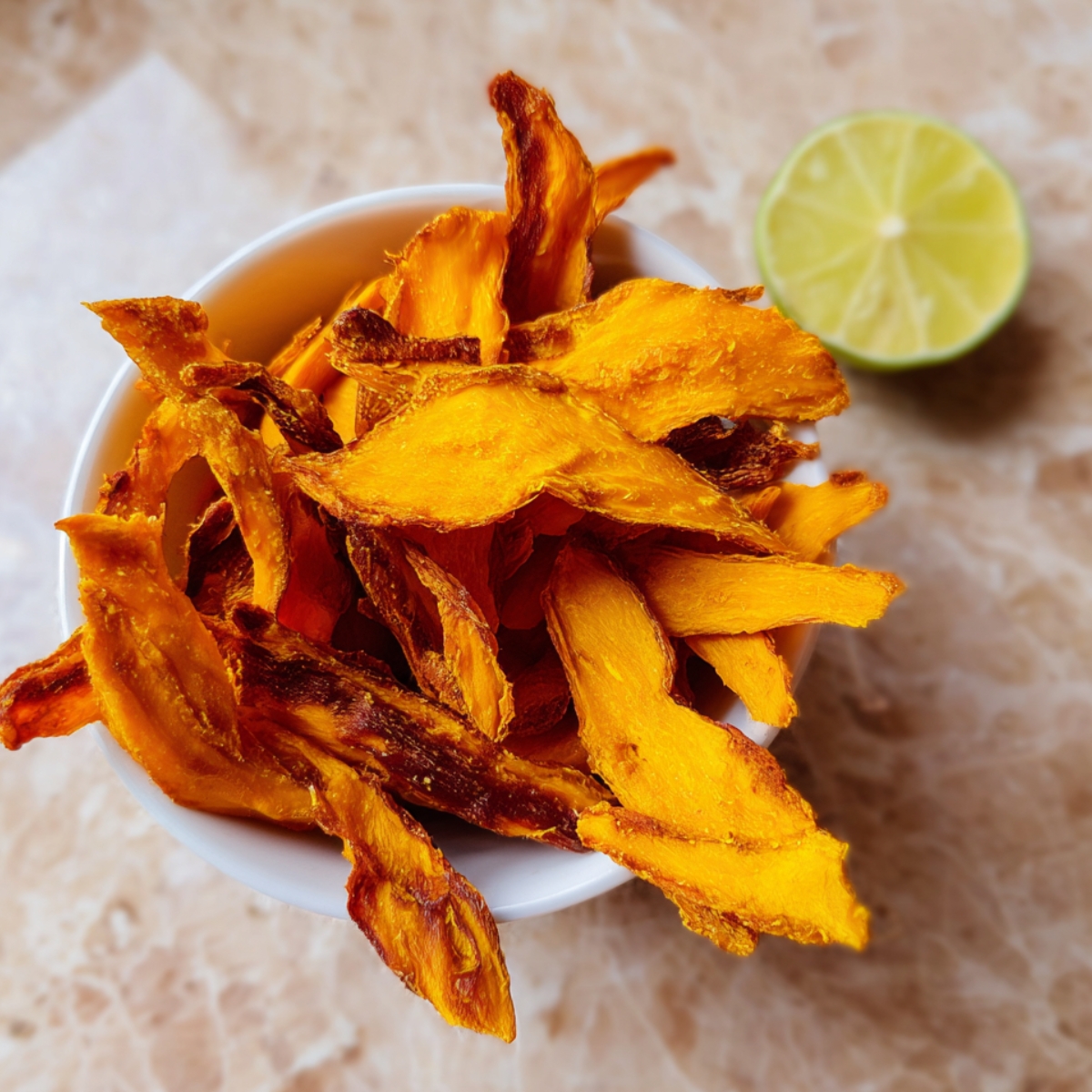
The first time I opened a bag of dehydrated mango I'd made myself, the smell hit me like a tropical vacation I didn't know I needed. Sweet, tangy, with that little kick of chili that makes you reach for another piece before you've even finished the first one. This Chili Lime Mango recipe is one of those snacks that disappears way too fast, and honestly, I'm not even sorry about it.
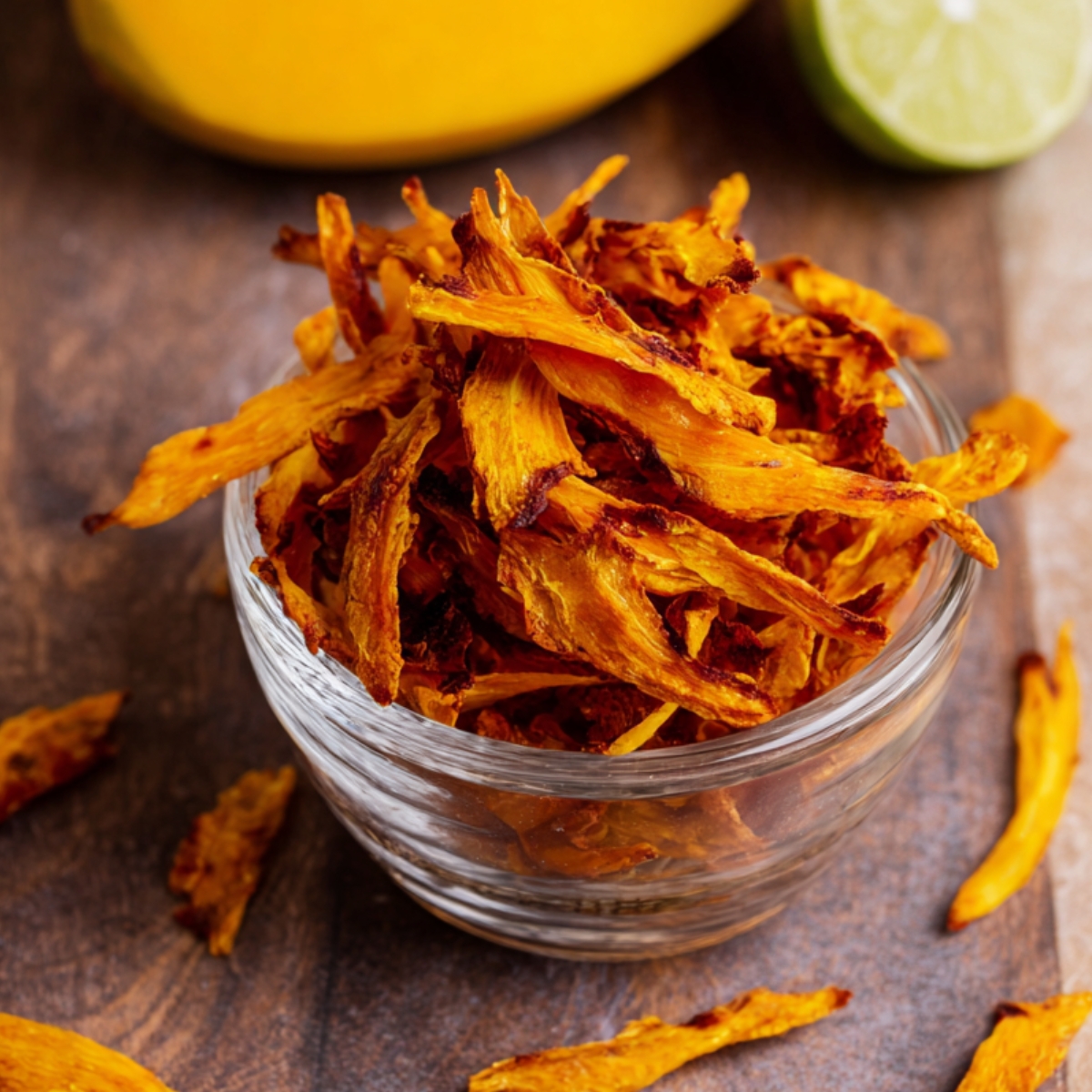

Learning how to dehydrate mango at home changed my snack game completely. No more store-bought bags with ingredients I can't pronounce. Just fresh fruit, a squeeze of lime, and a little spice. It's chewy, it's addictive, and it lasts for months in the pantry, which means you can make a huge batch and actually have healthy snacks ready when you need them.
My daughter Emily calls these "fancy fruit candy," and she's not wrong.
The Story Behind My Dehydrate Mango Obsession
I started making Dehydrate Mango pieces after a trip to a farmer's market where mangoes were on sale, like really on sale. I bought way too many, and by day three, I was staring at a counter full of fruit that was getting riper by the hour.
Mom suggested I try dehydrating them. "You have that machine collecting dust in the pantry," she said. She wasn't wrong.
I sliced up the mangoes, tossed them with lime and chili powder because that's how we used to eat fresh Dehydrate Mango growing up, and loaded up the dehydrator trays. Six hours later, Emily wandered into the kitchen and said, "Mom, what smells so good?"
We ate half the batch that night, standing at the counter, sticky fingers and all. Now I make them all the time, and they never last more than a week, even though they're supposed to keep for six months. If you're looking for more sweet treats that actually last, try my Easy Pumpkin Caramel Pie Recipe for something a little more indulgent.
Jump to:
- The Story Behind My Dehydrate Mango Obsession
- Dehydrate Mango Ingredients
- How to Dehydrate Mango Step by Step
- Flavor Variations and Substitutions
- Equipment For Dehydrate Mango
- Storage Tips for Dehydrated Mango
- A Little Secret from My Kitchen
- Top Tip
- What to Do with Dehydrated Mango
- FAQ
- Final Thoughts
- Related
- Pairing
- Dehydrate Mango
Dehydrate Mango Ingredients
- Fresh, ripe mangoes, peeled and sliced - Look for mangoes that give just a little when you press them. Too firm and they won't have enough sweetness. Too soft and they'll be mushy to work with.
- Lime, juiced - Fresh lime juice is key here. It adds that bright, tangy flavor and helps the spices stick.
- Chili powder - This gives you a gentle kick without overwhelming the fruit. You can adjust based on your spice tolerance.
- Granulated sugar (optional) - I usually add it because it helps balance the heat, but you can skip it if you want a more savory snack.
SEE RECIPE CARD FOR QUANTITES
How to Dehydrate Mango Step by Step
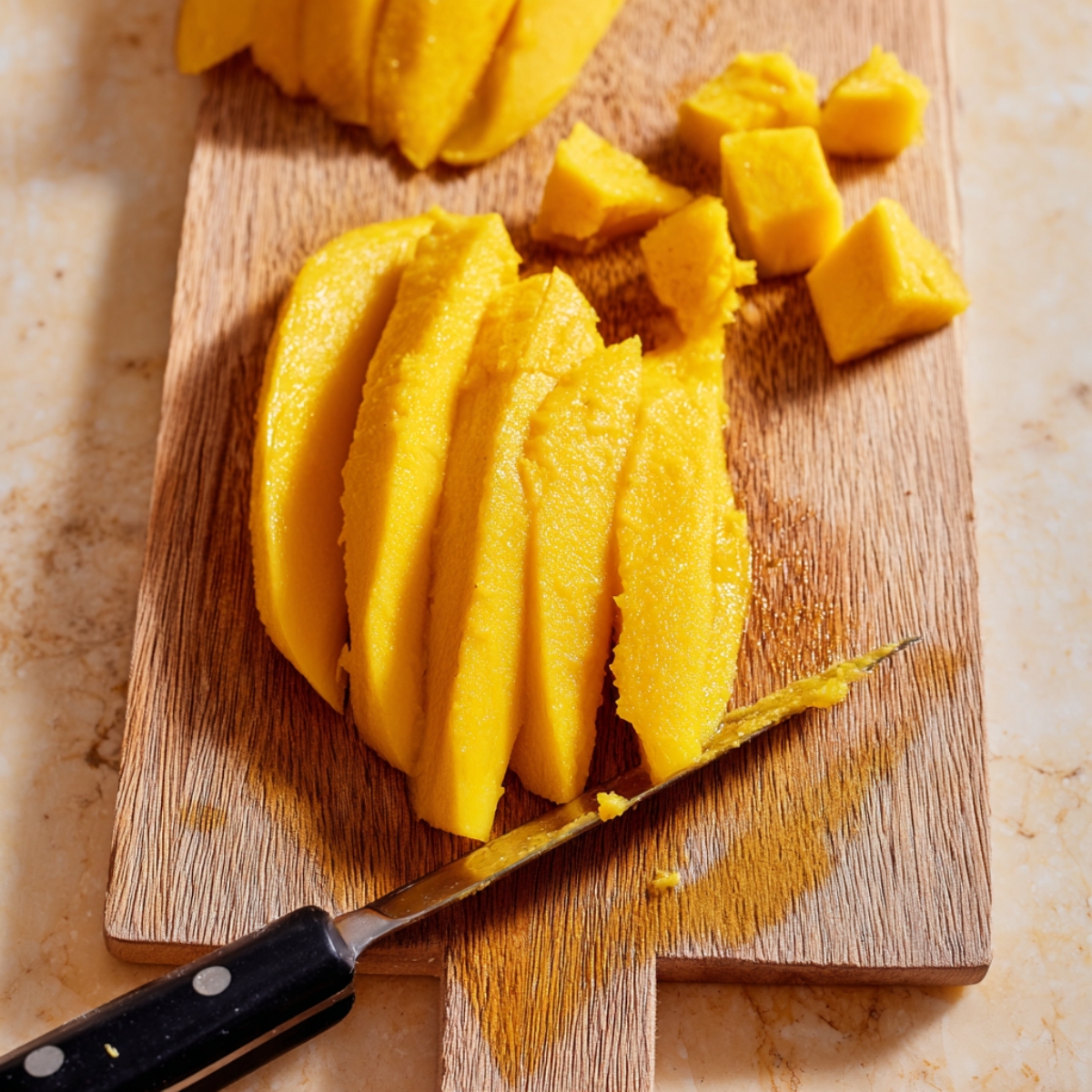
1. Prep your mangoes.
Peel each mango, then cut vertically around the core to get four large sections from each fruit. Slice those sections into strips about ¼ inch thick and ½ inch wide. Try to keep them roughly the same size so they dry evenly.
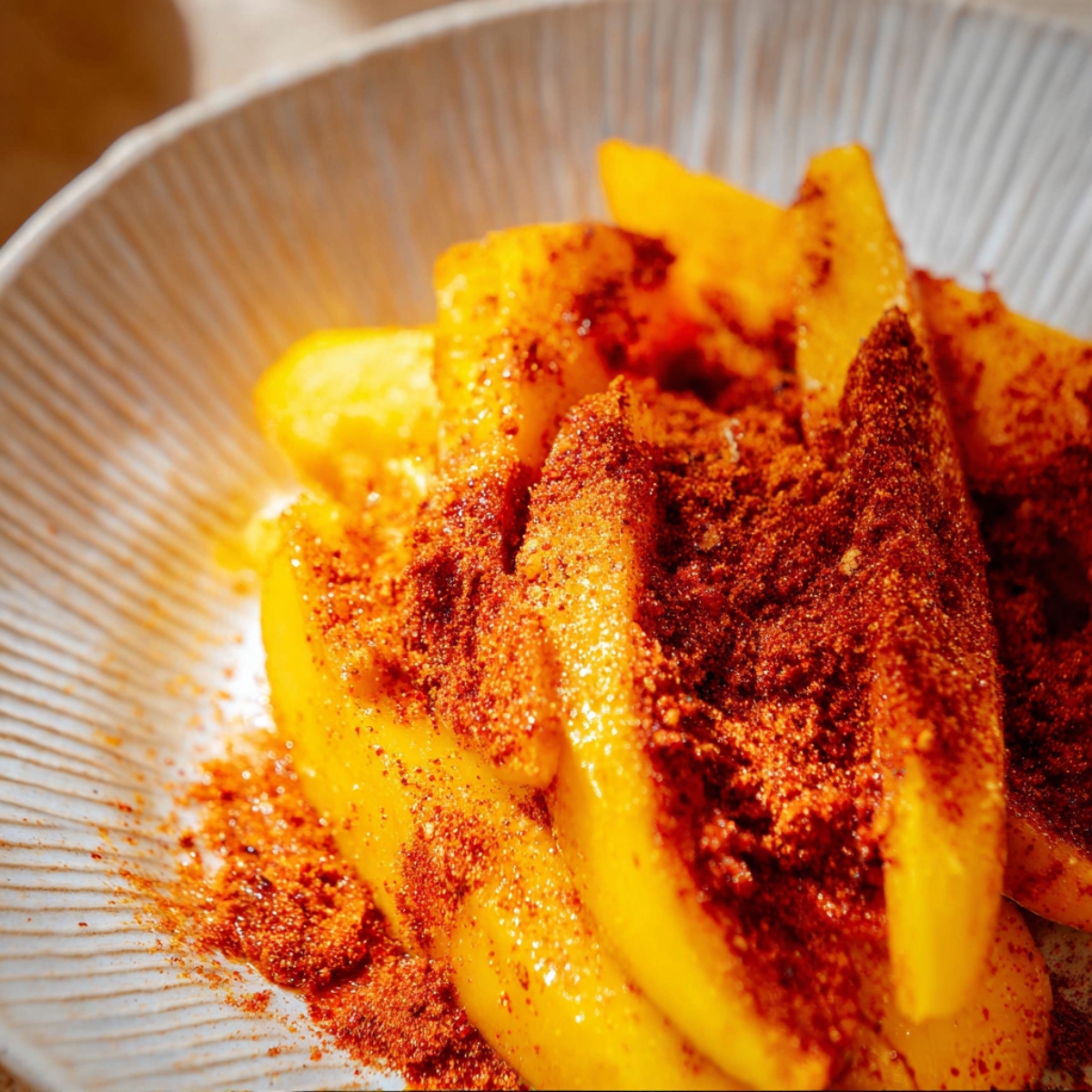
2. Season the mango.
In a mixing bowl, combine the mango pieces with lime juice, chili powder, and sugar if you're using it. Toss gently until every piece is coated. Your hands are going to smell amazing, and also a little spicy.
3. Arrange on dehydrator trays.
Lay the mango strips in a single layer on your dehydrator trays. Don't let them overlap or they'll stick together and dry unevenly.
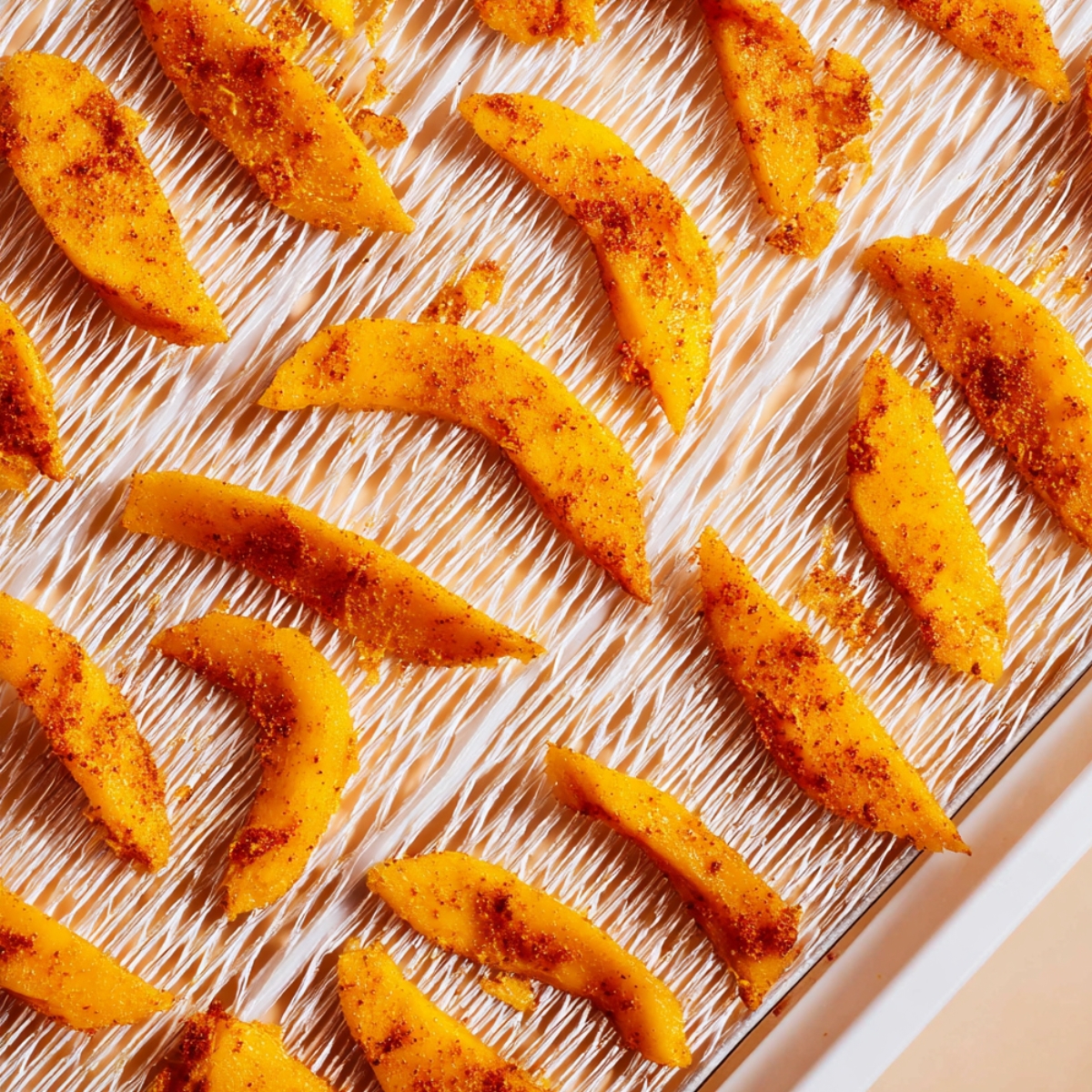
4. Dehydrate.
Set your dehydrator to 135°F and let it run for 6 hours. Check the texture after that. If your mangoes were really juicy, they might need up to 8 hours. You want them chewy and pliable, not crispy or wet.
5. Cool and store.
Let the dried mango strips cool completely before you pack them up. Store them in an airtight container in a cool, dry place. They'll keep for up to 6 months, though I've never had a batch last that long.
Flavor Variations and Substitutions
This Dehydrate Mango is super flexible. Here's how to make it your own.
Skip the chili. If you're making these for kids or anyone who doesn't like spice, just leave out the chili powder. The lime and sugar on their own make a great sweet-tart snack.
Add cinnamon. A half teaspoon of cinnamon with the chili powder gives you a sweet-spicy combo that's really nice.
Try Tajín. If you can find it, Tajín seasoning is perfect for this. It's a Mexican spice blend with chili, lime, and salt, and it's made for fruit.
Use different citrus. Lemon or orange juice work too, though lime is traditional and tastes best in my opinion.
Adjust the sugar. If your mangoes are super sweet, you can skip the sugar entirely. If they're a little tart, add an extra teaspoon.
Equipment For Dehydrate Mango
- Dehydrator - This is the only special tool you really need. I have a basic model and it works great.
- Sharp knife - You'll be slicing a lot of mango, so make sure it's sharp.
- Cutting board
- Mixing bowl - For tossing everything together.
- Airtight storage container - Once they're done, you'll want to store them properly so they stay chewy.
Storage Tips for Dehydrated Mango
Proper storage is what keeps your dehydrated fruit snacks fresh for months instead of weeks.
Use airtight containers. Mason jars, zip-top bags with the air pressed out, or vacuum-sealed bags all work great.
Keep them cool and dry. A pantry shelf away from the stove is perfect. Heat and moisture are the enemies here.
Check for condensation. If you see any moisture building up in the container, your mango wasn't fully dehydrated. Spread it back on the trays and dry it a bit longer.
They last up to 6 months. In theory. In practice, mine are usually gone within a month because everyone in the house keeps sneaking pieces.
A Little Secret from My Kitchen
Emily figured out that if you freeze these for a few hours, they get this really satisfying, almost crunchy texture. She likes to eat them frozen on hot summer days, and honestly, it's genius. The chili lime flavor gets even more intense when they're cold.
Karla, my sister, tried making a batch with habanero powder once. It was way too spicy for me, but she loved it. She said it was like "mango with consequences," which pretty much sums up Karla's approach to cooking.
If you're someone who likes experimenting with flavors, this is a great base recipe. You can make it as mild or as wild as you want. And if you're looking for another recipe that lets you play with sweet and spicy, check out my Easy Pistachio Raspberry Dream Cake. Totally different vibe, but just as fun to customize.
Top Tip
Making Dehydrate Mango snacks is pretty straightforward, but a few little adjustments can make a big difference.
- Choose ripe but firm mangoes. You want fruit that's sweet but not falling apart. Overly ripe mangoes get too sticky and take forever to dry.
- Slice consistently. This is the number one thing that affects drying time. Thick pieces take longer, thin pieces can get too crispy. Aim for that ¼ inch sweet spot.
- Don't skip the toss. Make sure every piece is coated with the lime and spice mixture. It's what makes these so flavorful.
- Check early and often. Every dehydrator is different, and every batch of mangoes has different moisture content. Start checking at 6 hours and go from there.
- Let them cool completely. If you pack them up while they're still warm, condensation can form and make them spoil faster.
What to Do with Dehydrated Mango
These Dehydrate Mango tropical dried fruit snacks are great on their own, but there are so many ways to use them.
Snack on them straight. This is the obvious one, but it's also the best one. Keep a bag in your purse, your car, or your desk drawer.
Chop them into trail mix. Add them to nuts, seeds, and dark chocolate chips for a quick energy boost.
Toss into salads. They add a sweet, chewy element to green salads, especially ones with a tangy vinaigrette.
Blend into smoothies. Rehydrate them in a little water first, then blend. They add natural sweetness and a tropical flavor.
Bake with them. Chop them up and fold them into muffins or quick breads. They work like raisins but with way more personality. Speaking of baking, if you're into fruity desserts, you have to try my The Best Raspberry Brownies Recipe. Totally different vibe, but just as addictive.
FAQ
Is dehydrated mango good for you?
Yes! Dehydrate Mango keeps most of the vitamins and fiber from fresh fruit. It's concentrated, so the sugar content is higher per piece, but you're getting real fruit with no additives. Just watch your portions, it's easy to eat a lot because it's so chewy and delicious.
How do you Dehydrate Mango?
You slice them into thin, even pieces, season them if you want, and dry them in a dehydrator at 135°F for 6 to 8 hours. The key is consistent thickness so everything dries at the same rate. It's a slow process, but it's mostly hands-off time.
Can you dehydrate mango in an air fryer?
You can try, but it's not ideal. Air fryers don't have the low, steady heat that dehydrators do, so you risk cooking the Dehydrate Mango instead of drying it. If you're in a pinch, set your air fryer to its lowest temperature and check every 30 minutes, but I really recommend using a dehydrator if you're making more than a small batch.
What can I make with Dehydrate Mango?
So many things! Eat it as a snack, chop it into granola or trail mix, blend it into smoothies, bake it into muffins, or rehydrate it for sauces and chutneys. Some people even grind it into powder to use as a natural sweetener. It's one of the most versatile dried fruit Dehydrate Mango options out there.
Final Thoughts
Chili Lime Mango has become one of those recipes I make over and over again. It's easy, it's healthy, and it scratches that sweet-and-spicy itch without any guilt. Plus, there's something really satisfying about making your own Dehydrate Mango slices and knowing exactly what's in them.
Whether you're meal prepping for the week, packing snacks for a road trip, or just looking for a way to use up a bunch of ripe mangoes, this recipe has you covered. Make a batch, hide it from your family if you want it to last, and enjoy having a pantry stocked with something that actually tastes good.
Emily's already asking when I'm making the next batch. I might have created a monster, but at least it's a monster who eats fruit.
Related
Looking for other recipes like this? Try these:




Pairing
These are my favorite dishes to serve with Dehydrate Mango




Dehydrate Mango
Ingredients
Equipment
Method
- Trim the peel from each mango and slice around the pit, then cut the flesh into long, even strips about ¼" thick.
- Combine the mango strips with lime juice, chili powder, and sugar in a bowl.
- Toss gently until every piece is lightly coated.
- Arrange the mango strips in a single, spaced-out layer on dehydrator trays.
- Set the dehydrator to 135°F and dry for 6 hours, checking and extending up to 8 hours depending on juiciness.
- Serve immediately or store in an airtight container for long-term keeping.




Leave a Reply