
These buttery, tender Lemon Shortbread Cookies melt on your tongue with bright citrus flavor and just the right amount of crunch. I first made these on a gray February afternoon when I needed something sunny, and the smell of lemon zest filling my kitchen felt like instant springtime. They're surprisingly simple to make with pantry staples, and you can dress them up with sparkling sugar or a sweet lemon glaze.


If you love citrus treats, you might also enjoy my Orange Chocolate Chip Ricotta Cookies or these Easy Marshmallow Hot Cocoa Cookies for cozy baking days.
Why You'll Love This Lemon Shortbread Cookies
These Lemon Shortbread Cookies check all the boxes without making you work too hard. The ingredient list stays short and straightforward, nothing fancy or hard to find. You probably have most of what you need sitting in your pantry right now.
The dough comes together quickly, and while it does need time to chill, that's hands-off time where you can go do other things. Once baked, these Lemon Shortbread Cookies keep beautifully for days, getting even better as the lemon flavor settles in.
They're versatile too. Leave them plain for a simple afternoon snack, dust them with sparkling sugar for a little sparkle, or top them with lemon icing when you want something that looks bakery-pretty. They work for casual coffee breaks and fancy cookie trays alike.
The lemon flavor tastes bright and real because you're using actual lemon zest and juice, not extract. That makes all the difference.
Jump to:
- Why You'll Love This Lemon Shortbread Cookies
- Lemon Shortbread Cookies Ingredients
- How to Make Lemon Shortbread Cookies
- Smart Substitutions and Variations
- Equipment For Lemon Shortbread Cookies
- How to Store Your Lemon Shortbread Cookies
- Expert Tips
- Serving Ideas That Feel Special
- FAQ
- Related
- Pairing
- Lemon Shortbread Cookies
Lemon Shortbread Cookies Ingredients
Here's a simple list of what goes into these Lemon Shortbread Cookies, plus the optional icing if you want to dress them up.
See Recipe Card Below This Post For Ingredient Quantities
For the Cookies:
- Granulated sugar: Sweetens the dough and helps create that classic shortbread texture when creamed with butter.
- Fresh lemon zest: This is where most of your lemon flavor lives. The oils in the zest pack way more punch than juice alone.
- Unsalted butter: The star of any shortbread recipe. Make sure it's softened to room temperature so it creams properly with the sugar.
- Fresh lemon juice: Adds a bit of tanginess and brightness to balance the rich butter.
- Vanilla extract: Just a touch to round out the flavors without competing with the lemon.
- All-purpose flour: Gives the cookies their structure. Spoon it into your measuring cup and level it off for the best results.
- Cornstarch: This is the secret ingredient that makes shortbread extra tender and gives it that melt-in-your-mouth quality.
- Salt: A tiny amount enhances all the other flavors.
- Coarse sparkling sugar (optional): Adds a pretty sparkle and slight crunch if you're not using icing.
For the Optional Icing:
- Confectioners' sugar: Creates a smooth, sweet glaze. Sift it first to avoid lumps.
- Fresh lemon juice: Keeps the icing tangy and bright.
- Milk, heavy cream, or half-and-half: Thins the icing to the right consistency for dipping.
- Vanilla extract: Adds a hint of warmth to the glaze.
- Fresh lemon zest (optional): Makes a lovely garnish on top of the icing.
How to Make Lemon Shortbread Cookies
These Lemon Shortbread Cookies need a little patience for chilling, but the actual hands-on work is straightforward and satisfying.
Pulse the sugar and zest: Add the granulated sugar and lemon zest to your food processor and pulse 12 to 15 times. You want the sugar to look slightly damp and the zest to be finely chopped. This step releases the lemon oils into the sugar and spreads that bright flavor throughout the whole cookie.

Cream the butter and lemon sugar: In a large bowl, beat the lemon sugar and softened butter together on high speed for about 3 minutes. The mixture should look light, fluffy, and pale. Scrape down the sides and bottom of the bowl as you go so everything gets evenly mixed.
Add the wet ingredients: Pour in the lemon juice and vanilla extract, then beat until everything's smooth and combined.
Mix in the dry ingredients: Add the flour, cornstarch, and salt gradually. Start mixing on low speed for about 1 minute, then bump it up to medium and keep beating until the dough clumps together into a shaggy ball. This usually takes 1 to 3 minutes.

Roll out the dough: Dust your work surface and rolling pin with flour. Roll the dough out to somewhere between ¼ and ½ inch thick, using more flour if the dough feels sticky.
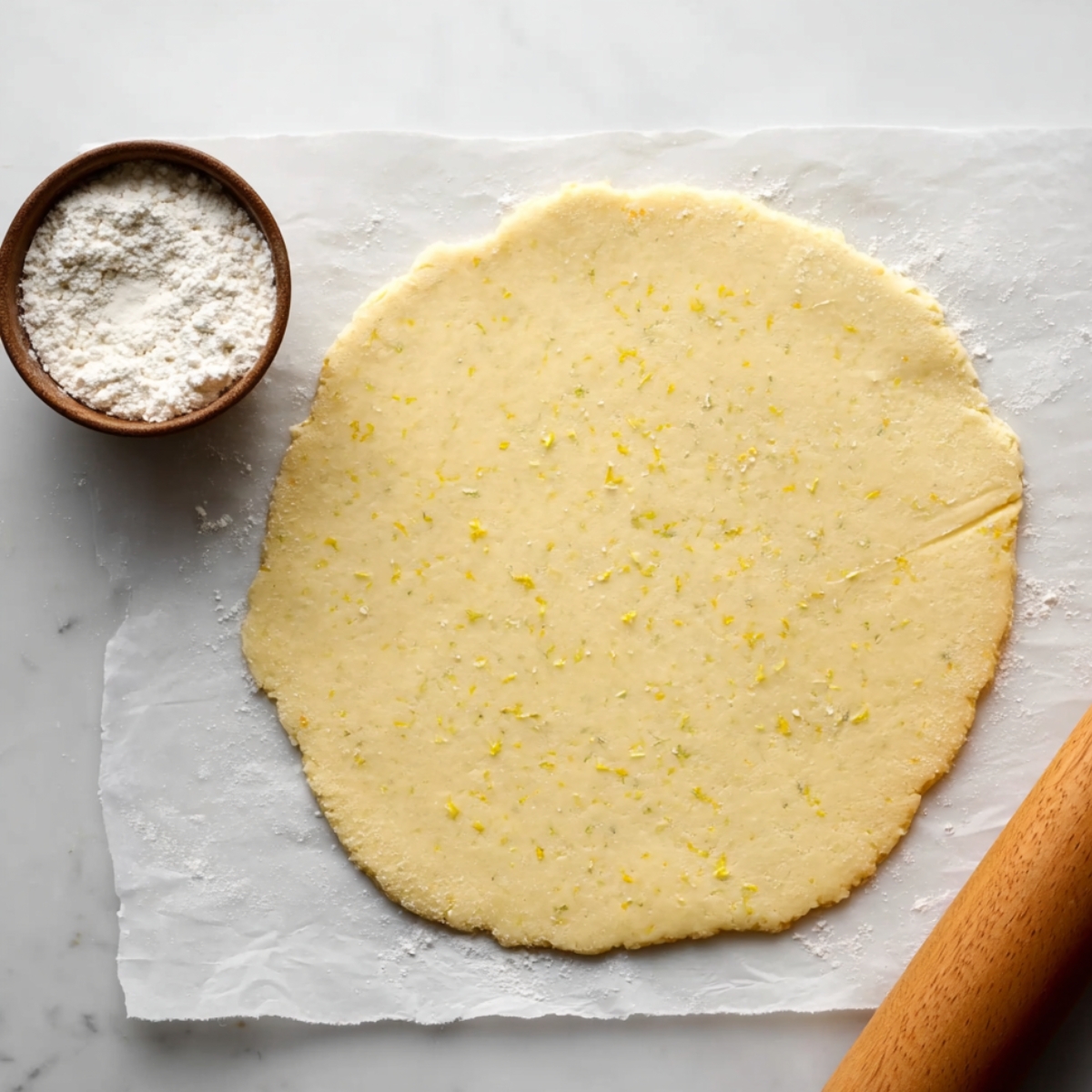
Chill the rolled dough: This is important. Transfer the whole sheet of rolled dough onto a parchment-lined baking sheet, cover it, and refrigerate for at least 3 hours. You can leave it for up to 2 days if you want to prep ahead.
Preheat and prep: Once the dough is properly chilled, preheat your oven to 350°F (177°C) and line your baking sheets with fresh parchment paper or silicone mats.
Cut your shapes: Use a 2 to 2.5-inch cookie cutter to cut the dough into shapes. Gather the scraps, re-roll them, and keep cutting until you've used everything. If the dough gets too soft and floppy while you're working, pop the cut shapes into the fridge for 15 minutes before baking.
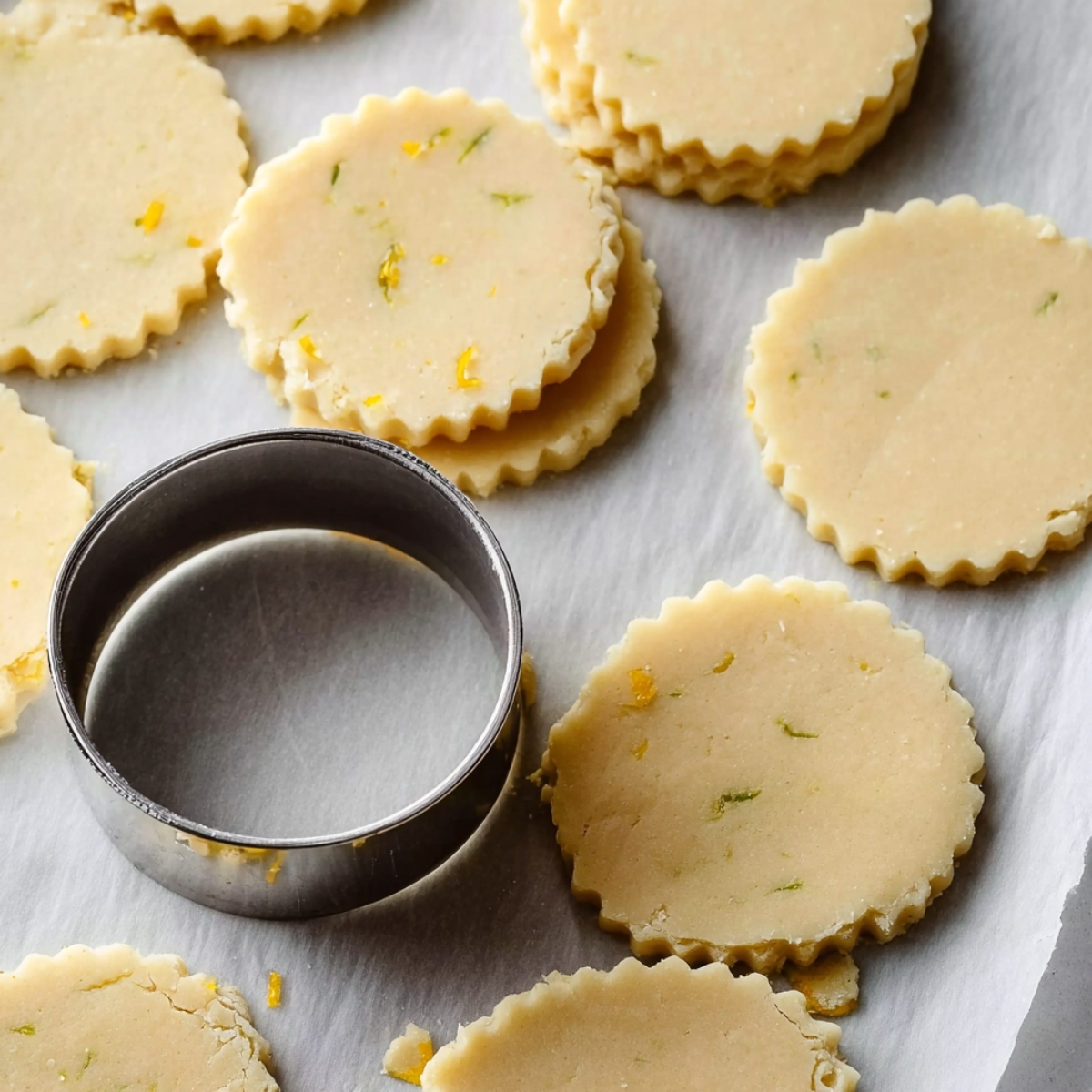
Add finishing touches: If you want, gently poke the tops with a fork to make a classic shortbread pattern, or sprinkle them with coarse sugar for some sparkle.
Bake: Slide the cookies into the oven and bake for 14 to 15 minutes. The edges should look set and slightly golden while the centers stay pale. Don't overbake or they'll get dry.
Cool: Let the cookies rest on the baking sheet for 10 minutes, then carefully move them to a cooling rack to finish cooling completely.
Smart Substitutions and Variations
No food processor? You can finely mince the lemon zest with a knife and just mix it into the sugar by hand. It won't be quite as evenly distributed, but it'll still taste great.
Different citrus: Swap the lemon zest and juice for lime, orange, or even grapefruit. The baking time and technique stay the same.
Gluten-free option: Use a good 1-to-1 gluten-free flour blend. The texture might be slightly more delicate, so handle the dough gently.
Dairy-free: Replace the butter with a high-quality vegan butter that's made for baking. The flavor will be a bit different but still delicious.
Add mix-ins: Fold in some finely chopped fresh rosemary or lavender buds for an herbal twist. Just use a light hand, maybe a teaspoon or so.
Equipment For Lemon Shortbread Cookies
You don't need anything fancy, but a few key tools make the process smoother.
A food processor helps blend the sugar and zest together beautifully. A stand mixer or handheld mixer makes creaming the butter easy and gets the right fluffy texture. You'll want parchment paper or silicone baking mats to keep the cookies from sticking. A sturdy rolling pin helps you roll the dough evenly, and a cookie cutter in whatever shape you like makes cutting them out fun. Standard baking sheets work perfectly, and a cooling rack lets air circulate so the bottoms don't get soggy. Finally, a simple whisk is all you need for the icing.
How to Store Your Lemon Shortbread Cookies
These Lemon Shortbread Cookies keep wonderfully, which makes them perfect for gifting or making ahead.
Room temperature: Store cooled cookies in an airtight container at room temperature for up to 1 week. If they're iced, make sure the icing is completely set before stacking them, and place parchment paper between layers.
Refrigerator: You can refrigerate them for up to 2 weeks if you want them to last longer. They might firm up a bit in the cold, but they'll soften again at room temperature.
Freezer: These freeze beautifully for up to 3 months. Freeze them in a single layer on a baking sheet first, then transfer to a freezer bag once solid. Thaw at room temperature for about 30 minutes before serving.
Freezing the dough: You can also freeze the rolled, unbaked dough for up to 3 months. Thaw it in the fridge overnight, then cut and bake as directed.
Expert Tips
Don't skip the chilling time. I know 3 hours feels long, but cold dough cuts cleanly and holds its shape during baking. Warm dough spreads and gets messy.
Use room temperature butter. It should be soft enough to press your finger into easily but not greasy or melted. This makes a huge difference in how well it creams with the sugar.
Measure your flour correctly. Spoon it into the measuring cup and level it off with a knife. Scooping directly from the bag packs in too much flour and makes the Lemon Shortbread Cookies dry.
Watch the baking time closely. Shortbread can go from perfectly baked to overdone in just a minute or two. Pull them when the edges are set but the centers still look slightly soft.
Let them cool completely before icing. Warm Lemon Shortbread Cookies will melt the icing and create a mess instead of a pretty glaze.
Keep your workspace floured. Shortbread dough can be a bit sticky, especially if your kitchen is warm. A light dusting of flour on your surface and rolling pin prevents frustration.
Serving Ideas That Feel Special
These Lemon Shortbread Cookies are lovely on their own, but here are a few ways to make them even more enjoyable.
Serve them alongside a pot of hot tea or fresh coffee for an afternoon pick-me-up. The bright lemon flavor pairs beautifully with Earl Grey or chamomile. You can also crumble them over lemon sorbet or vanilla ice cream for an easy dessert with great texture contrast.
They make a wonderful addition to a spring or summer dessert table, especially if you cut them into shapes like flowers or hearts. For a fancier presentation, arrange them on a platter with fresh berries and maybe some Delicious Cookies and Cream Cupcakes for variety.
Pack them in a pretty tin with tissue paper for a homemade gift that actually feels thoughtful and tastes amazing.
FAQ
What is the secret to good shortbread?
The secret is using quality butter and not overmixing the dough. Shortbread is all about that rich, buttery flavor, so the butter really matters. Also, don't skip the cornstarch. It keeps the texture tender and crumbly instead of tough. My mom always says good shortbread should practically dissolve on your tongue.
Can you put lemon in shortbread cookies?
Absolutely. Lemon is a classic shortbread variation. The citrus oils from the zest add bright flavor without changing the texture, and a little lemon juice in the dough keeps things balanced. Just don't add too much liquid or the dough will get too soft.
What is the 3:2:1 rule for shortbread?
It's a ratio: 3 parts flour, 2 parts butter, 1 part sugar by weight. This recipe follows that basic principle but adds cornstarch for extra tenderness and lemon for flavor. The ratio is a helpful guide, but small tweaks like these can make shortbread even better.
Who has the best shortbread cookies?
That's a tough one because everyone has their favorite. Traditional Scottish shortbread is hard to beat, but homemade versions with fresh ingredients and personal touches often taste better than store-bought. These lemon ones might just become your new favorite.
Related
Looking for other recipes like this? Try these:




Pairing
These are my favorite dishes to serve with Lemon Shortbread Cookies



Lemon Shortbread Cookies
Ingredients
Method
- Place the sugar and lemon zest in a food processor and pulse until finely chopped and moistened.
- In a large bowl, use a mixer to beat the lemon sugar mixture and butter until creamy, about 3 minutes. Scrape down the sides and bottom of the bowl.
- Add lemon juice and vanilla extract, and mix until fully incorporated.
- Sift in the flour, cornstarch, and salt, and beat on low speed for 1 minute, then increase to medium speed until dough clumps together. It will be thick and soft.
- On a floured surface, roll out the dough to ¼ to ½ inch thickness.
- Transfer to parchment paper, cover, and refrigerate for at least 3 hours, or up to 2 days.
- Preheat the oven to 350°F (177°C). Line baking sheets with parchment paper or silicone mats.
- Cut the chilled dough into desired shapes using cookie cutters. If the dough is too soft, refrigerate the cut-out cookies for 15 minutes.
- Optional: If not icing, sprinkle cookies with coarse sparkling sugar.
- Bake for 14-15 minutes until edges are set and golden. If cookies are smaller than 2 inches, check after 10 minutes.
- Cool cookies on the sheet for 10 minutes before transferring to a wire rack to cool completely.
- For the icing: whisk together confectioners' sugar, lemon juice, milk, and vanilla extract until smooth. Dip cooled cookies in the icing and allow excess to drip off.
- Optional: Garnish with fresh lemon zest on top of the icing while it's still wet.
- Allow icing to set for 1-2 hours before stacking or storing.




Leave a Reply