
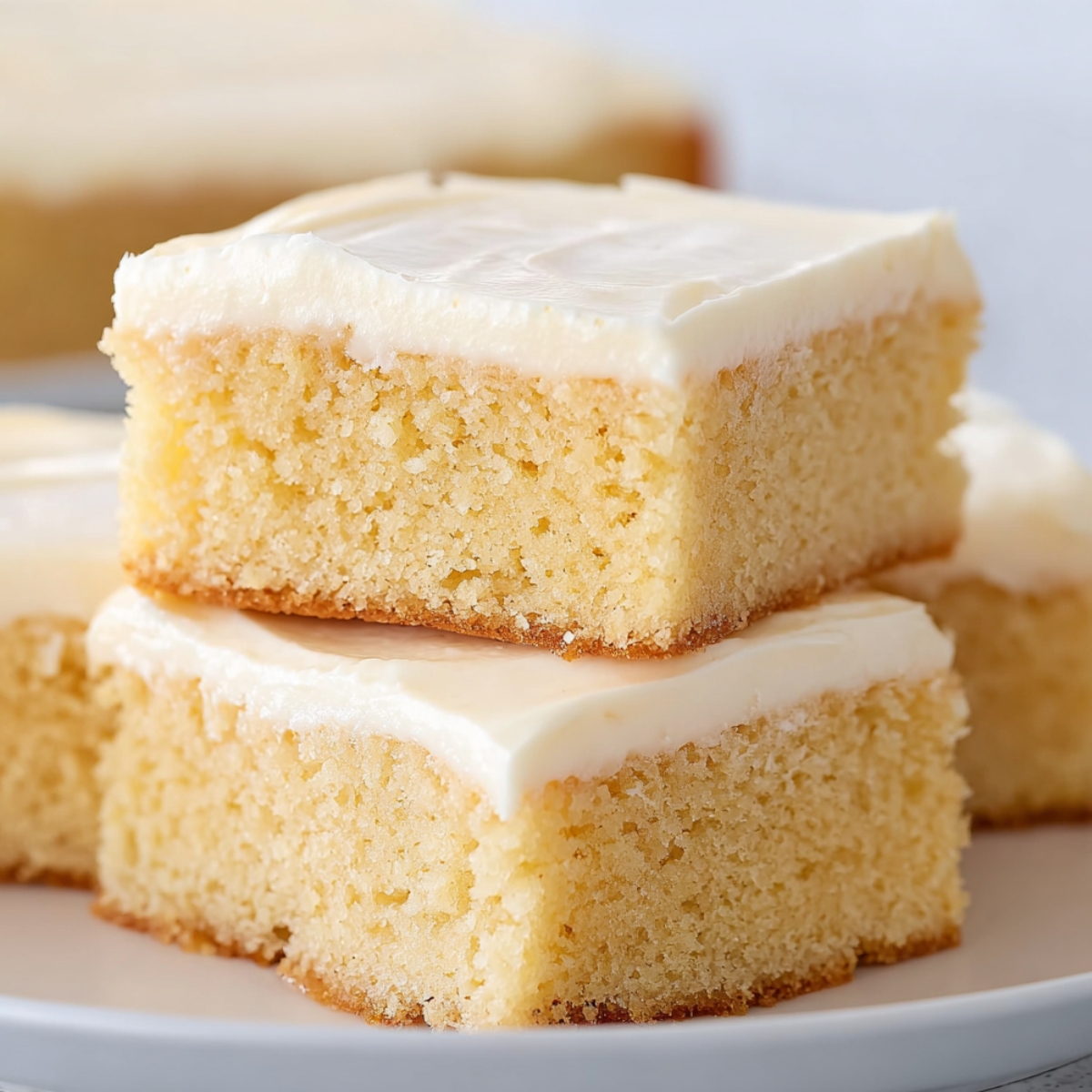
This soft, buttery vanilla sheet cake bakes up tender and fluffy in a 9×13 pan, with a cloud-like whipped buttercream that spreads like a dream. I first made this for Liam's birthday when he asked for "the fluffiest cake ever," and honestly, it delivered. The reverse creaming method keeps everything incredibly moist, and you can have this ready with just a few simple ingredients you probably already have.
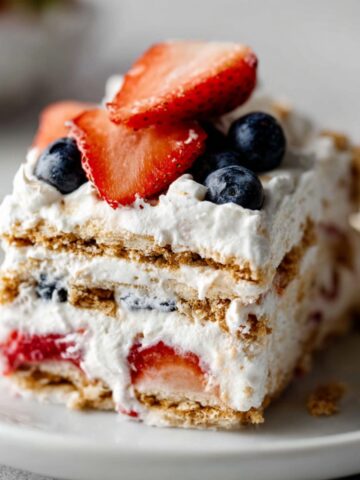
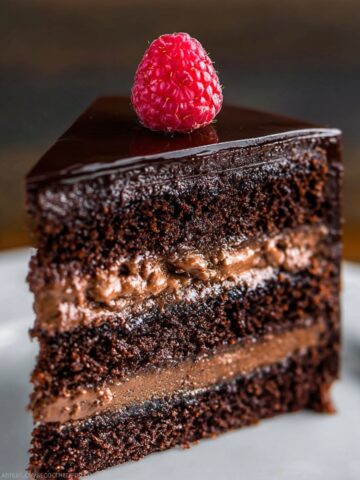
If you love easy, crowd-pleasing desserts, you might also enjoy this Easy Berry Icebox Cake Recipe or my Dark Chocolate Mousse Cake Recipe for something a little richer.
What Makes This Vanilla Sheet Cake So Special
There's a reason this homemade Vanilla Sheet Cake keeps showing up at every family gathering. It's dependable. The reverse creaming method, where you mix the butter into the dry ingredients first, creates a finer crumb and keeps the cake from doming or cracking in the oven. You get an even, tender layer every single time.
The whipped buttercream frosting is what really seals the deal. Most buttercream can feel dense or overly sweet, but this one gets beaten for a full four minutes until it's so fluffy it almost looks like whipped cream. A tiny pinch of salt balances everything out, and you're left with frosting that's rich but never cloying.
This is the kind of Vanilla Sheet Cake that works for birthdays, potlucks, or just because you want something comforting on a Wednesday night. It slices cleanly, holds up well in the fridge, and honestly, it tastes even better the next day once all the flavors have settled in together.
Jump to:
Vanilla Sheet Cake Ingredients
Here's what you need to make this soft Vanilla Sheet Cake recipe and its fluffy buttercream frosting.
See Recipe Card Below This Post For Ingredient Quantities
For the Vanilla Cake:
- Cake flour: Creates a tender, delicate crumb that's softer than all-purpose flour. Spoon it into your measuring cup and level it off for accuracy.
- Granulated sugar: Sweetens the cake and helps create structure. It also contributes to that light, fluffy texture.
- Baking powder and baking soda: Work together to give the cake a gentle rise without making it too airy or cake-like.
- Salt: Balances the sweetness and brings out the vanilla flavor.
- Unsalted butter: Adds richness and moisture. Make sure it's softened to room temperature so it blends smoothly into the dry ingredients.
- Pure vanilla extract: The star flavor here. Don't skimp on this, real vanilla makes a noticeable difference.
- Whole milk: Provides moisture and richness. Using it at room temperature helps everything incorporate more evenly.
- Sour cream: Adds tanginess and keeps the cake incredibly moist. Room temperature works best.
- Large eggs: Bind everything together and add structure. Let them sit out for about 30 minutes before you start.
For the Whipped Vanilla Buttercream:
- Unsalted butter: The base of the frosting. Softened butter whips up lighter and fluffier.
- Confectioners' sugar: Sweetens and thickens the frosting. Sifting it first prevents lumps.
- Heavy cream: Thins the frosting just enough to make it spreadable while keeping it rich.
- Pure vanilla extract: Echoes the vanilla in the cake and rounds out the flavor.
- Salt: Just a pinch keeps the frosting from tasting too sweet. I usually add about ⅛ teaspoon.
- Sprinkles (optional): For color, fun, and a little extra celebration.
How to Make Vanilla Sheet Cake
This Vanilla Sheet Cake uses the reverse creaming method, which might feel a little different if you're used to creaming butter and sugar together first, but trust me, it's easy once you get the rhythm down.
Preheat your oven: Set the oven to 350°F (177°C) and generously grease a 9×13-inch cake pan with butter or nonstick spray. Don't skip the greasing, this cake is tender and can stick.
Combine the dry ingredients: Sift the cake flour, granulated sugar, baking powder, baking soda, and salt into the bowl of a stand mixer or a large mixing bowl. Mix on low speed with the paddle attachment for a few seconds just to combine everything evenly.
Add butter and half the milk: Add the softened butter, vanilla extract, and ½ cup of the milk to the dry ingredients. Mix on medium speed for about 1 minute until the dry ingredients are moistened and the mixture looks like thick, crumbly dough. Scrape down the sides and bottom of the bowl to make sure everything is incorporated.
Whisk the wet ingredients: In a separate medium bowl, whisk together the remaining ½ cup milk, sour cream, and eggs until smooth and well combined.
Add the wet mixture in batches: With the mixer running on medium speed, add the egg mixture in three separate additions. Mix for about 15 seconds after each addition, scraping down the sides and bottom of the bowl between each one. After the final addition, mix for another 15 seconds until the batter is smooth and fully combined. Don't over-mix, a few small lumps are fine.
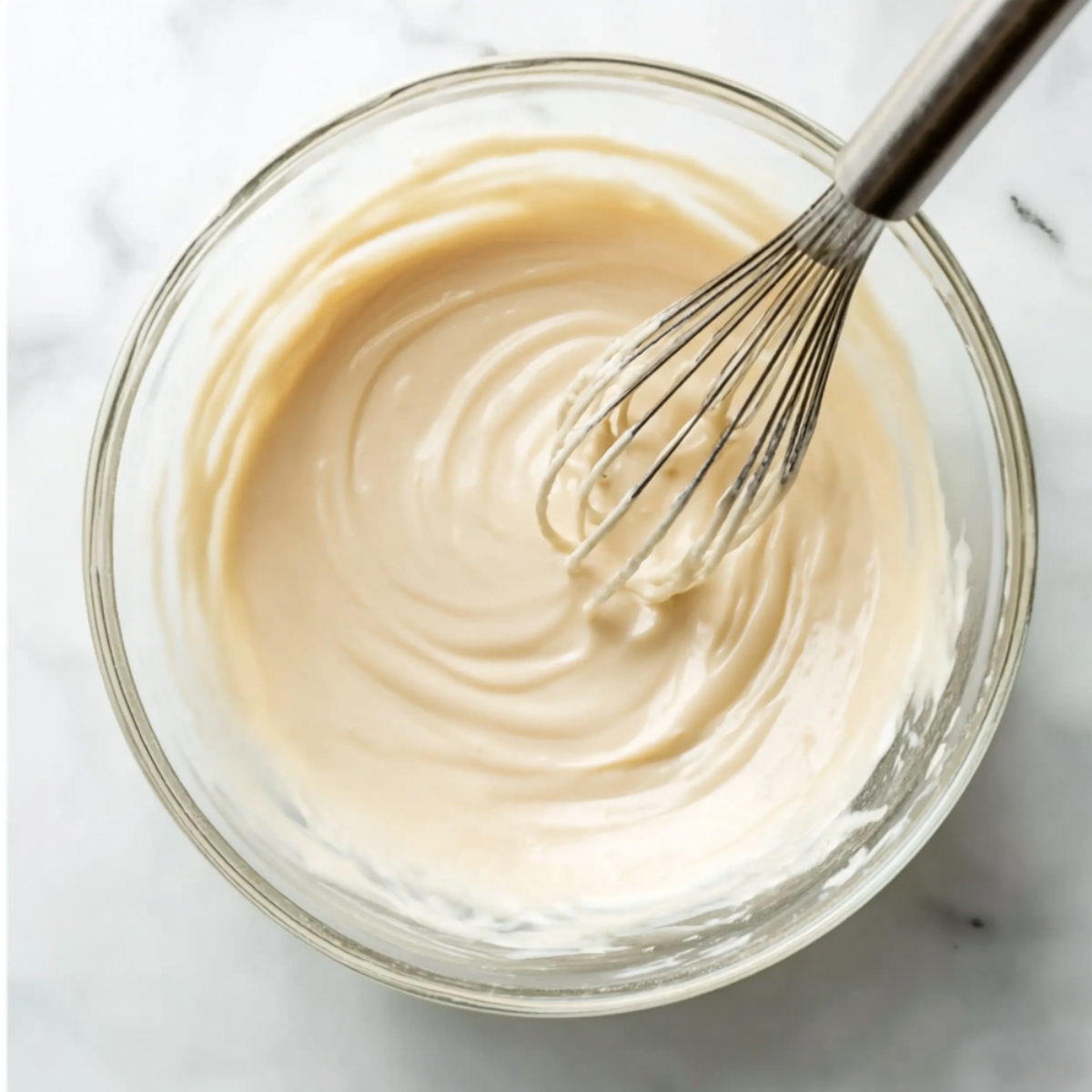
Pour and spread the batter: Pour the batter into your prepared pan and spread it evenly with a spatula, making sure it reaches all the corners.
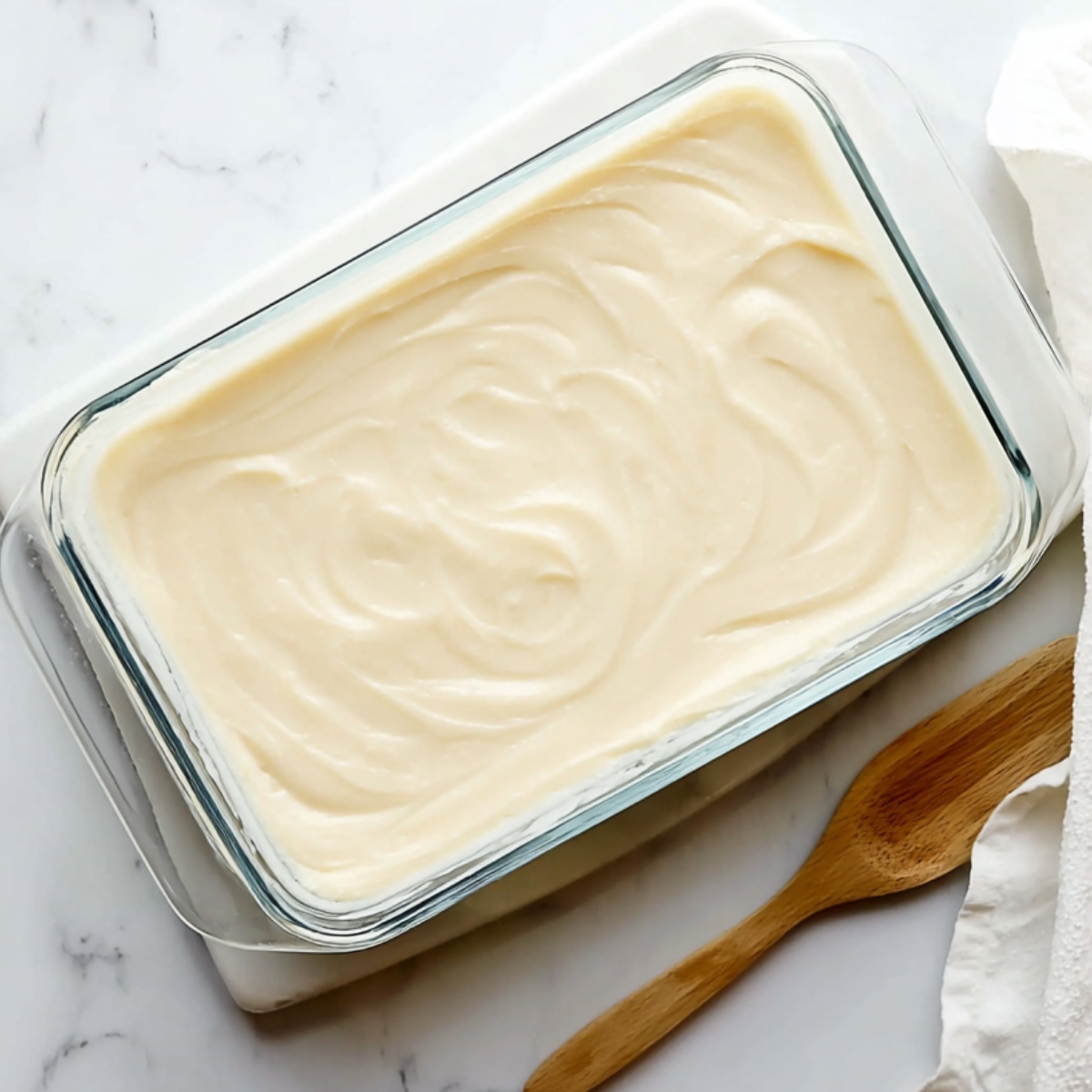
Bake until set: Bake for 32 to 35 minutes, or until a toothpick inserted into the center comes out clean and the edges just start to pull away from the pan. The top should look pale golden and feel springy to the touch.
Cool completely: Let the cake cool completely in the pan on a wire rack. This usually takes about 2 hours. Don't try to frost it while it's even slightly warm or the buttercream will melt.
Beat the butter: In a clean mixing bowl, beat the softened butter on medium speed for about 2 minutes until it's smooth and creamy.
Add sugar and cream: Add the confectioners' sugar, heavy cream, and vanilla extract. Start on low speed for about 30 seconds to keep the sugar from flying everywhere, then increase to medium-high speed and beat for a full 4 minutes. The frosting should become pale, fluffy, and almost doubled in volume.
Adjust consistency: If the frosting feels too thin, add up to ¼ cup more confectioners' sugar, one tablespoon at a time. If it's too thick, add another tablespoon of heavy cream. Taste it, and if it's too sweet, add a pinch of salt (I like about ⅛ teaspoon). The frosting should be light and pillowy.
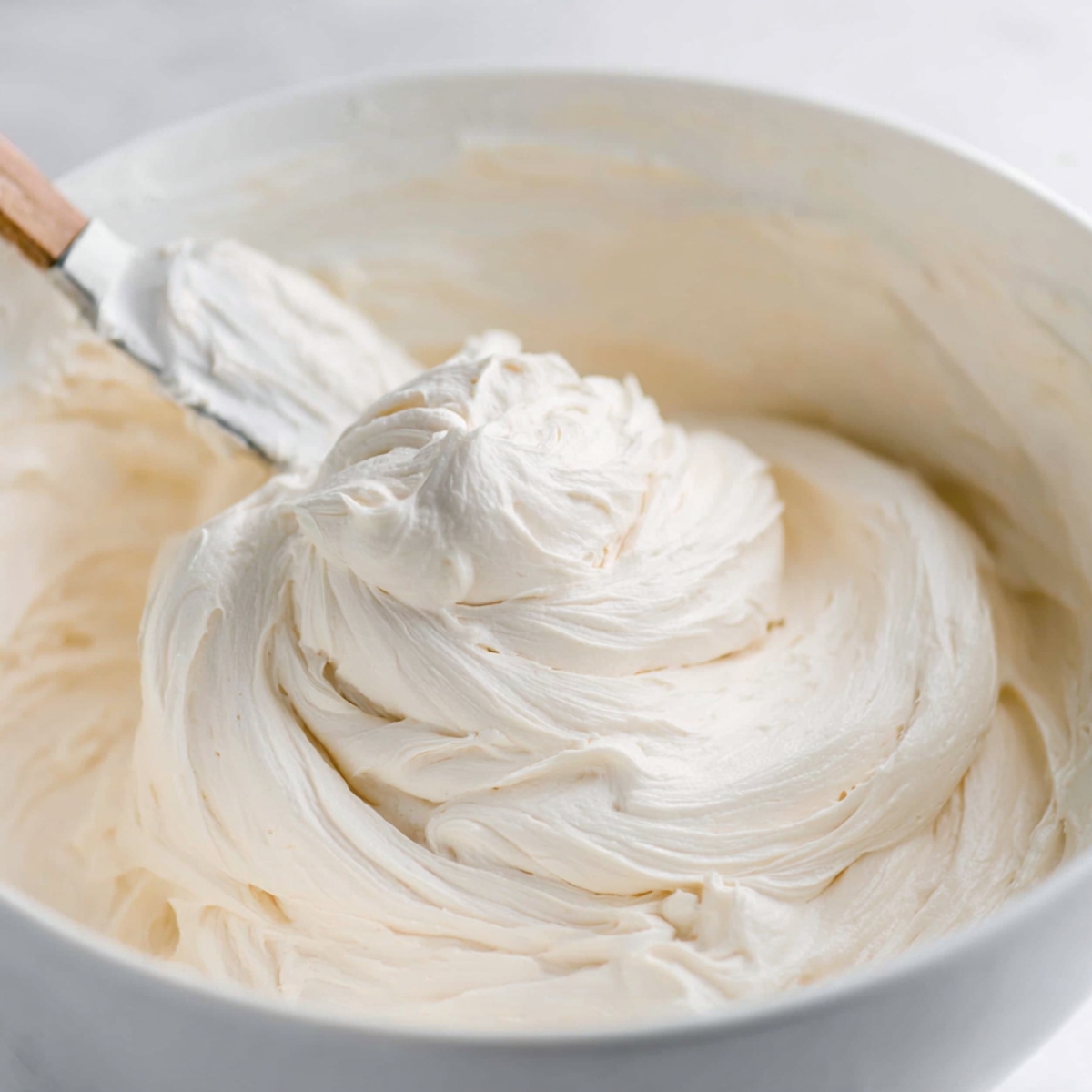
Frost the cake: Use an offset spatula to spread the frosting in a thick, even layer over the cooled cake. You can smooth it out for a clean look or swirl it for texture. If you want to pipe decorations or rosettes on top, go for it.
Add sprinkles (optional): Scatter sprinkles over the frosting if you're feeling festive.
Slice and serve: Cut the cake into 12 squares and serve. The first slice is always the hardest to get out cleanly, so don't worry if it's a little messy.
Substitutions and Variations
All-purpose flour instead of cake flour: You can substitute all-purpose flour, but the texture will be slightly denser. For every cup of cake flour, use 1 cup of all-purpose flour minus 2 tablespoons, then add 2 tablespoons of cornstarch.
Buttermilk instead of milk and sour cream: Swap the milk and sour cream for 1 and ⅓ cups of buttermilk. The Vanilla Sheet Cake will have a slightly tangier flavor.
Oil-based version: Replace the butter in the cake with ¾ cup of neutral oil like canola or vegetable oil. The cake will be a bit more moist but less rich.
Flavored frosting: Add a tablespoon of cocoa powder for chocolate buttercream, or swap the vanilla for almond extract for an almond-flavored frosting.
Lemon or orange zest: Stir a tablespoon of lemon or orange zest into the batter for a citrusy twist.
Chocolate chip addition: Fold 1 cup of mini chocolate chips into the batter before baking for a fun variation kids will love.
Equipment For Vanilla Sheet Cake
- 9×13-inch cake pan: The standard size for Vanilla Sheet Cake. Metal pans work best for even baking.
- Stand mixer or handheld mixer: Makes mixing the batter and whipping the frosting much easier. A handheld mixer works fine if that's what you have.
- Paddle attachment: Comes with most stand mixers and is perfect for the reverse creaming method.
- Fine mesh sieve: For sifting the dry ingredients and ensuring there are no lumps.
- Large mixing bowls: You'll need at least two, one for the dry ingredients and one for the wet.
- Whisk: For combining the milk, sour cream, and eggs.
- Rubber spatula: Essential for scraping down the bowl and spreading the batter evenly.
- Cooling rack: Allows air to circulate around the pan so the Vanilla Sheet Cake cools evenly.
- Offset spatula: Makes frosting the cake smooth and easy. If you don't have one, a butter knife works in a pinch.
How to Store Vanilla Sheet Cake
At room temperature: If you're serving the Vanilla Sheet Cake within a day or two and your kitchen isn't too warm, you can cover it tightly with plastic wrap or foil and leave it on the counter. The frosting will stay soft and the cake will stay moist.
In the refrigerator: For longer storage, cover the cake tightly and refrigerate it for up to 5 days. Let it sit at room temperature for about 20 minutes before serving so the frosting softens up a bit.
Freezing the cake: You can freeze unfrosted Vanilla Sheet Cake layers. Wrap them tightly in plastic wrap, then in aluminum foil, and freeze for up to 3 months. Thaw in the fridge overnight before frosting.
Freezing frosted cake: Frosted Vanilla Sheet Cake can be frozen too. Freeze it uncovered until the frosting is firm, then wrap it well. Thaw in the fridge overnight and bring to room temperature before serving.
Expert Tips
Bring ingredients to room temperature: This is especially important for the butter, eggs, milk, and sour cream. Room temperature ingredients blend together more smoothly and create a better texture.
Don't skip the sifting: Sifting the dry ingredients ensures there are no lumps and helps the cake bake up light and even.
Use the paddle attachment, not the whisk: The paddle attachment is gentler and prevents over-mixing, which can make the cake tough.
Measure flour correctly: Spoon the Vanilla Sheet Cake flour into your measuring cup and level it off with a knife. Scooping directly from the bag packs the flour down and can make your cake dense.
Don't over-mix the batter: Once you add the egg mixture, mix just until everything is combined. Over-mixing develops gluten and makes the cake chewy instead of tender.
Let the cake cool completely: I know it's tempting, but frosting a warm Vanilla Sheet Cake will make the buttercream melt and slide right off.
Beat the frosting for the full 4 minutes: This is what makes it so light and fluffy. Don't rush this step.
Adjust frosting sweetness: If the frosting tastes too sweet, add a pinch of salt. It balances everything out and makes the vanilla flavor pop.
Use parchment paper for easy removal: If you want to remove the Vanilla Sheet Cake from the pan, line the bottom with parchment paper before greasing. Once it's cooled, you can lift it out easily.
Serving Suggestions
With fresh berries: Top each slice with a handful of fresh strawberries, blueberries, or raspberries for a burst of color and freshness. If you love berry desserts, try my Blueberry Galette Recipe next.
With a scoop of ice cream: Serve warm slices (gently reheated in the microwave for 10 seconds) with a scoop of vanilla or strawberry ice cream.
As a trifle base: Cube leftover cake and layer it in a glass bowl with whipped cream, pudding, and fresh fruit for an easy trifle.
With coffee or tea: This moist Vanilla Sheet Cake pairs beautifully with a hot cup of coffee in the afternoon or a mug of chai tea.
FAQ
What is the secret to a good vanilla cake?
The secret is using real vanilla extract, high-quality ingredients, and not over-mixing the batter. The reverse creaming method also helps create a tender, fine crumb that stays moist. Room temperature ingredients make a big difference too, they blend more evenly and create a better texture. Liam always says the secret is "extra frosting," but I think he's biased.
What's the difference between sheet cake and regular cake?
Sheet cake is baked in a single layer in a rectangular pan, usually 9×13 inches, while regular layer cakes are baked in round pans and stacked with frosting in between. Sheet cakes are easier to make, serve, and transport, which is why they're so popular for parties and potlucks. They also have a higher frosting-to-cake ratio, which a lot of people love.
What is the 1234 cake rule?
The 1234 rule is an old-fashioned ratio for pound cake: 1 cup butter, 2 cups sugar, 3 cups flour, and 4 eggs. It's a simple way to remember the proportions, but this vanilla sheet cake uses a different method and ratio to get a lighter, fluffier texture instead of the dense crumb of a traditional pound cake.
What's the easiest cake to make?
Sheet cakes like this vanilla sheet cake are some of the easiest cakes to make because they're baked in one pan with no layering or complicated decorating required. You just mix, pour, bake, and frost. If you're looking for something even simpler, check out my Homemade Oatmeal Fig Bars Recipe, which is more like a bar cookie but still satisfies that homemade dessert craving.
Related
Looking for other recipes like this? Try these:
Pairing
These are my favorite dishes to serve with Vanilla Sheet Cake
Vanilla Sheet Cake
Ingredients
Method
- Set the oven to 350°F (177°C) and generously grease a 9x13-inch pan.
- Combine the flour, sugar, baking powder, baking soda, and salt in a mixing bowl and blend briefly to distribute everything evenly.
- Add the butter, vanilla, and half of the milk, then beat until the mixture turns into a thick, smooth paste.
- In a separate bowl, whisk together the remaining milk, sour cream, and eggs until smooth.
- With the mixer running, pour in the egg mixture in three additions, mixing briefly after each and stopping to scrape the bowl once, until a smooth batter forms.
- Spread the batter evenly into the prepared pan, smoothing the top.
- Bake until the center is set and a toothpick comes out clean, about 32-35 minutes.
- Let the cake cool completely in the pan on a rack before adding any frosting.
- Beat the butter for the frosting until creamy and pale in color.
- Add the powdered sugar, cream, and vanilla, then mix slowly at first before whipping on high speed until very light and fluffy.
- Adjust the texture with a little more sugar or cream if needed, and add the salt to balance the sweetness.
- Spread the frosting generously over the cooled cake, decorate if desired, then slice and serve.
Leave a Reply