
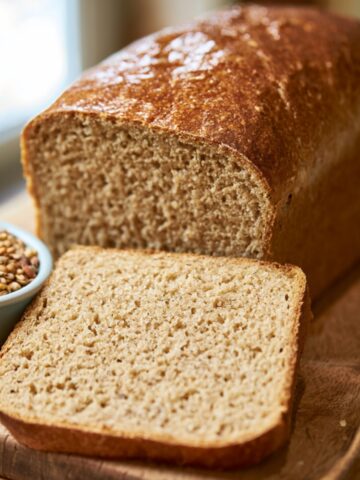
This homemade spelt bread recipe gives you a soft, golden loaf with a gentle nutty flavor and a tender, sliceable crumb - all from just 7 ingredients you probably already have. I started baking this bread on Sunday mornings after my local bakery closed down, and I haven't bought a store loaf since. It's the kind of wholesome, simple bread that makes the whole kitchen smell like something good is happening.
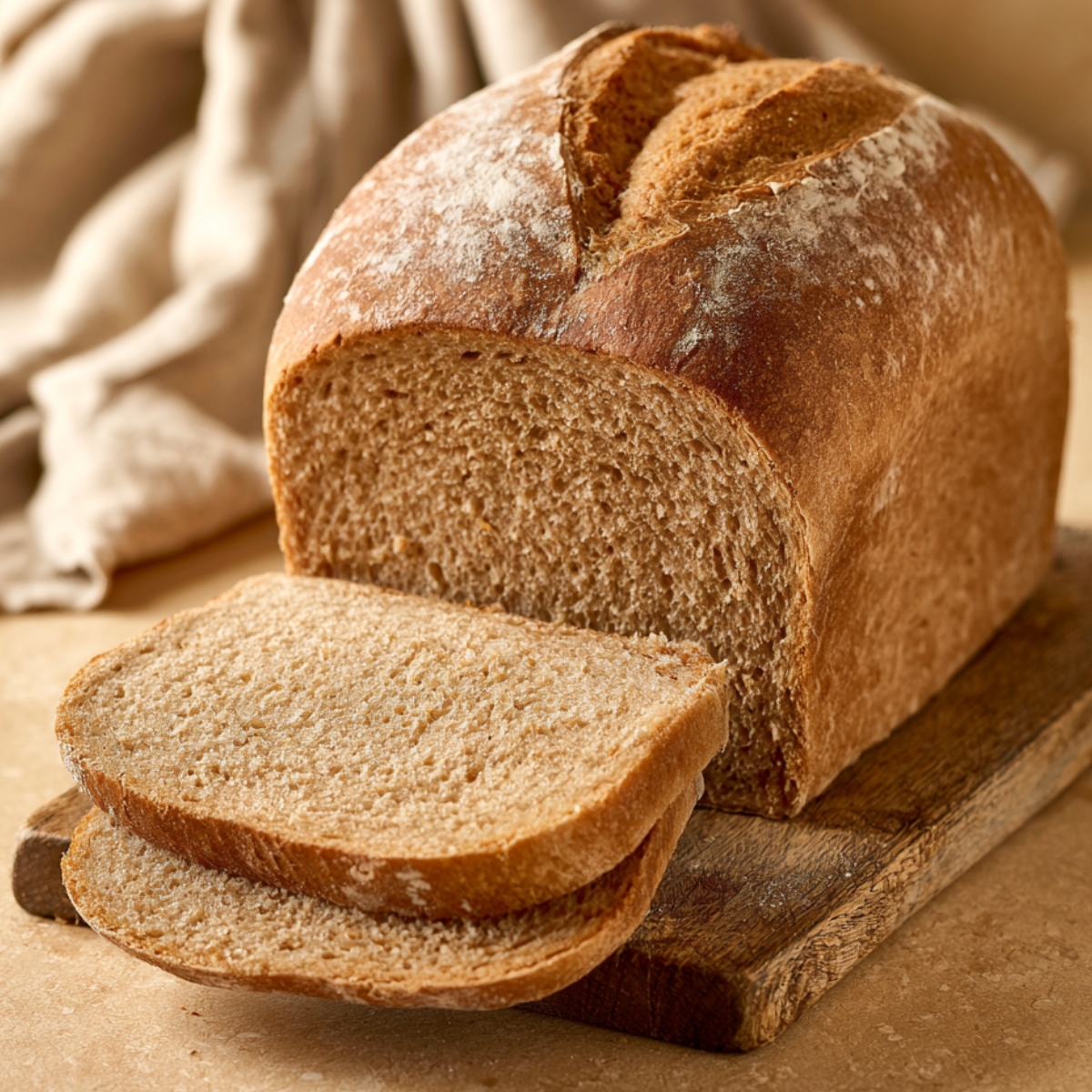
If you love easy baking days like I do, you'll also want to check out these Blackberry Lemon Poppy Seed Muffins and this dreamy Lemon Blueberry Mousse Cake for more reasons to turn that oven on.
Why You'll Love This Spelt Bread
- The nutty, mild flavor of spelt flour makes every slice taste a little more interesting than plain white bread.
- It's a vegan bread recipe with no eggs, no dairy, and no complicated swaps.
- Seven ingredients. That's it.
- Works beautifully for sandwiches, avocado toast, or just a warm slice with a little olive oil drizzled on top.
- The dough is actually quite forgiving, which makes it great for anyone just getting into homemade yeast bread.
Jump to:
Spelt Bread Ingredients
Here's a look at the ingredients and what each one does in this Spelt Bread.
See Recipe Card Below This Post For Ingredient Quantities
- Warm water : This wakes up the yeast and gets everything moving. Too hot and you'll kill the yeast, too cold and it won't activate. Aim for the temperature of a warm bath.
- Active dry yeast : This is what makes the bread rise and gives it that light, airy texture. Let it sit in the water until it gets foamy - that foam means it's alive and working.
- Olive oil : Adds a soft richness and helps keep the crumb tender. It also gives the crust a lovely, golden finish.
- Maple syrup : A touch of sweetness that feeds the yeast and balances the earthy spelt flavor. Honey or agave works here too if that's what you have.
- Spelt flour : The star of this loaf. Spelt has a mild, nutty taste and slightly more protein than regular white flour, which means good structure and a satisfying chew.
- All-purpose flour : Mixed with the spelt flour, this helps lighten the texture and gives the dough a bit more elasticity so it's easier to knead and shape.
- Salt : Keeps the flavor from falling flat. It also slows the yeast down just enough so the dough doesn't over-rise.
How to Make Spelt Bread
Everything you need, in the right order. This Spelt Bread recipe comes together in about 2 hours and 15 minutes from start to finish.
Activate the yeast: Pour the warm water into a large mixing bowl and sprinkle in the active dry yeast. Let it sit for 3 to 5 minutes. You're looking for a foamy, bubbly surface - that's your sign the yeast is active and ready to go. If you're using instant yeast, skip this step and mix it straight into the dry ingredients.
Mix the wet ingredients: Add the olive oil and maple syrup to the bowl and whisk everything together until combined.
Add the dry ingredients: Stir in the all-purpose flour and spelt flour, about 1 cup at a time, adding the salt as you mix. Keep mixing until a rough dough starts to form and pull together.
Knead the dough: Turn the dough out onto a lightly floured surface and knead by hand for 10 to 15 minutes, or use a stand mixer fitted with a dough hook for 5 to 10 minutes. You want the dough to feel smooth, stretchy, and just slightly tacky - it should stretch without tearing.
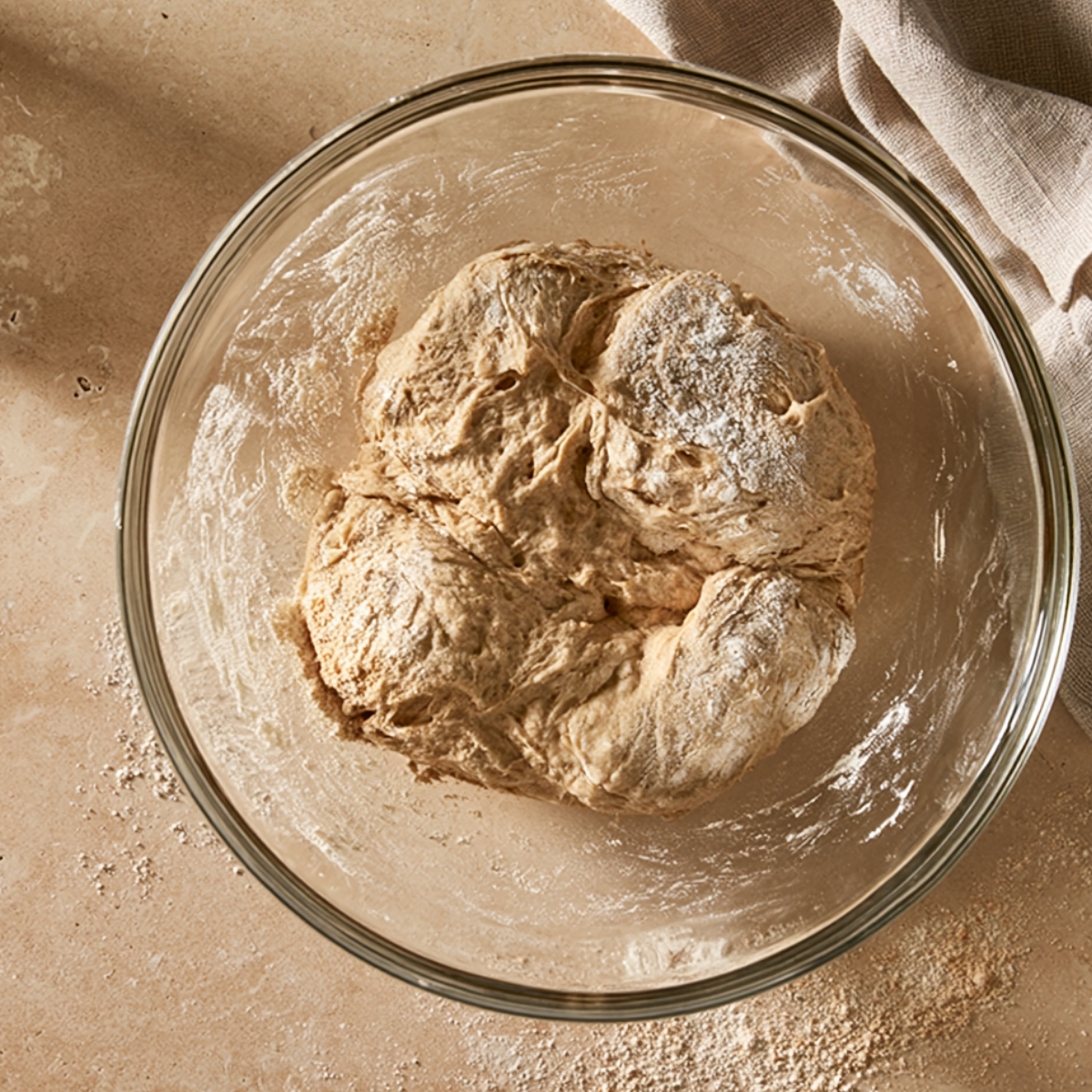
First rise: Transfer the dough to a well-oiled bowl, cover it with plastic wrap or a clean kitchen towel, and set it somewhere warm. Let it rise for about 1 hour, or until it's doubled in size. A turned-off oven with just the light on works great for this.
Shape the loaf: Punch the dough down gently to release the air. Move it to a floured surface, stretch it into a thick rectangle with your hands, then roll it tightly into a log shape.
Second rise: Place the shaped dough into a parchment-lined or well-oiled loaf pan. Cover loosely and let it rise for 30 minutes while your oven preheats to 350°F (175°C). The dough should puff up and crown just above the rim of the pan.
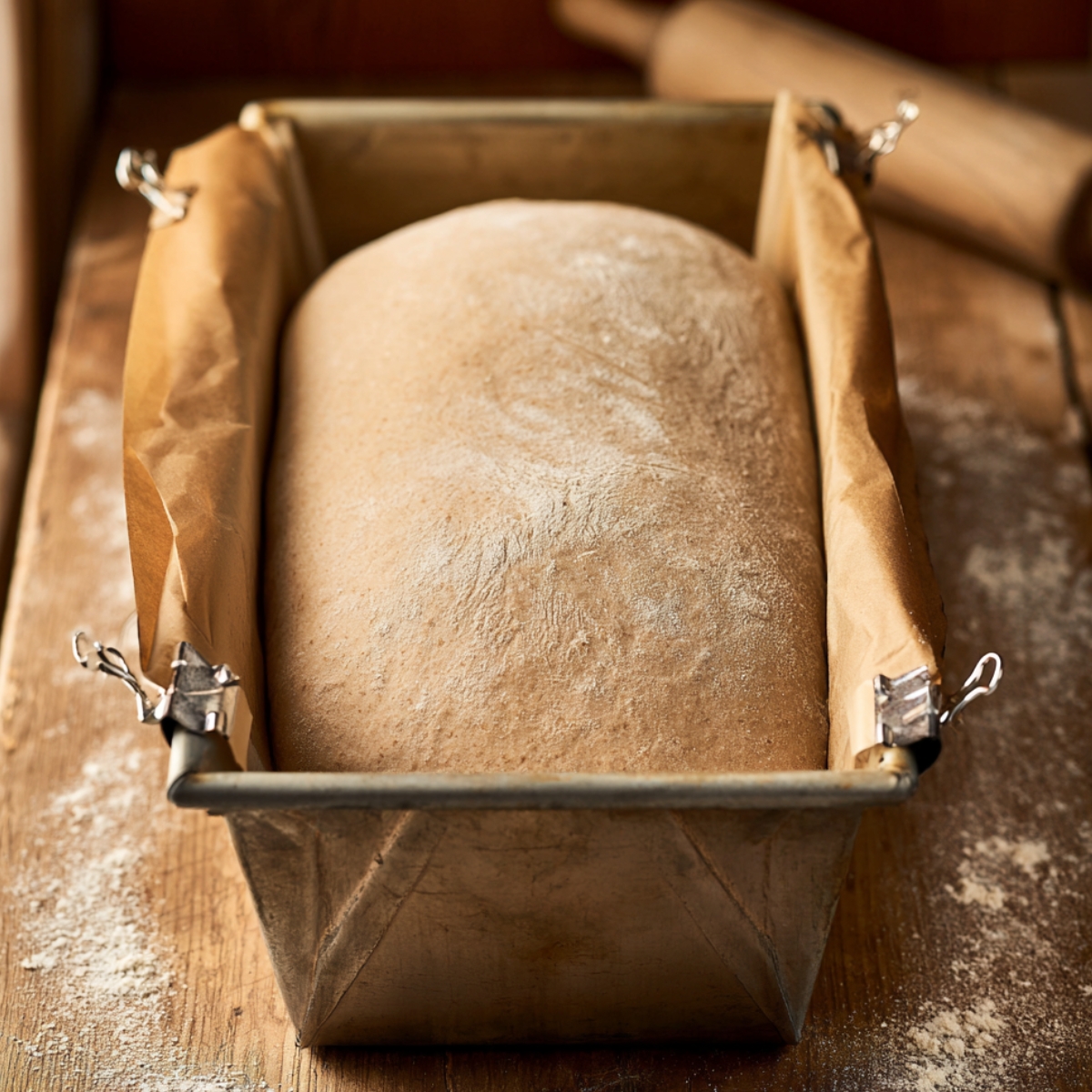
Bake: Slide the pan into the oven and bake for 30 to 35 minutes. The loaf is ready when it's deep golden brown and sounds hollow when you tap the bottom. For a richer, darker crust, brush the top with olive oil or vegan butter before baking.
Cool and slice: Transfer the loaf to a wire cooling rack and let it rest for 10 to 15 minutes before cutting. Cutting it too early lets steam escape and can make the inside gummy, so try to wait.
Swaps and Substitutions
- 100% spelt loaf: Replace the all-purpose flour with the same amount of spelt flour. The loaf will turn out slightly denser and a little grittier in texture, but still delicious.
- Sweetener: Honey or agave syrup both work in place of maple syrup at the same amount.
- Oil: Any neutral liquid oil can be used if you don't have olive oil, though olive oil gives the best flavor here.
- Gluten-free: This recipe is not suitable for gluten-free flour blends. The gluten in spelt and all-purpose flour is what gives the bread its structure and chew, and gluten-free flours behave very differently.
Equipment For Spelt Bread
You don't need much for this soft homemade Spelt Bread loaf.
- Large mixing bowl
- Whisk
- Measuring cups and spoons
- Stand mixer with dough hook (optional, but makes kneading easier)
- Loaf pan
- Parchment paper (optional)
- Plastic wrap or clean kitchen towel
- Wire cooling rack
Storage Tips
- Room temperature: Wrap the cooled loaf tightly and store at room temperature for 3 to 4 days. A bread bag or a tightly wrapped layer of plastic works best.
- Freezer: Slice the bread first, then freeze in a freezer-safe bag for up to 2 months. Pull out slices as you need them and toast straight from frozen.
- Refrigerator: Skip the fridge. Refrigerating bread draws out moisture and dries it out faster than leaving it at room temp.
How to Serve This Spelt Bread
A warm, freshly baked soft sandwich bread doesn't need much, but here are a few of my favorite ways to eat it.
- Toasted with a generous spread of almond butter and a drizzle of honey for breakfast.
- Layered with avocado, flaky salt, and a squeeze of lemon for an easy avocado toast.
- Served alongside a big bowl of tomato soup for the coziest weeknight dinner.
- Used for sandwiches - it holds up really well to fillings without falling apart.
And if you're already in a baking mood, these Milk Chocolate Chip Cookies are the perfect thing to make while the Spelt Bread is rising. Or bookmark these Cookie Monster Cupcakes for your next weekend bake-along.
Expert Tips
- Don't skip the yeast check. If your water is too hot or your yeast is old, the Spelt Bread won't rise. Always look for that foam before moving on.
- Knead long enough. Spelt has slightly weaker gluten than regular wheat, so give it the full kneading time. Under-kneaded dough won't rise as well.
- The dough will be sticky. That's normal. Resist the urge to add too much extra flour, or the loaf will turn out dry and dense.
- Watch the bake time. Every oven is different. Start checking at 28 minutes and tap the bottom - a hollow sound means it's done.
FAQ
How do you make soft spelt bread?
The key is not adding too much flour to the dough, kneading it long enough to develop that stretchy texture, and giving it both rises. The olive oil and maple syrup also help keep the crumb tender and soft. My friend Jackeline swears that letting it cool fully before slicing makes a big difference too, and she's not wrong.
Can you make bread using only spelt flour?
Yes, you can make a 100% spelt bread by replacing the all-purpose flour with more spelt flour. Keep in mind that the loaf will be a little denser and slightly more rustic in texture, since spelt gluten is softer than regular wheat gluten. It still tastes wonderful, just heartier.
Is spelt bread healthier than white bread?
Spelt flour does have more fiber, protein, and some trace minerals compared to regular white flour. It also has a gentler, nuttier flavor and is easier for some people to digest than conventional wheat. That said, spelt does contain gluten and isn't suitable for anyone with celiac disease.
Why is my spelt bread dense?
A dense loaf usually comes down to one of a few things: the yeast wasn't fully activated, the dough wasn't kneaded long enough, or the rises were cut short. Also, adding too much extra flour during kneading is one of the most common reasons a spelt loaf turns out heavy. Sticky dough is okay - go with it.
Related
Looking for other recipes like this? Try these:



Pairing
These are my favorite dishes to serve with Spelt Bread



Spelt Bread
Ingredients
Method
- Pour the warm water into a large mixing bowl, sprinkle in the yeast, and let it stand for about 5 minutes until foamy.
- Stir the olive oil and maple syrup into the yeast mixture until evenly combined.
- Gradually add the spelt flour and all-purpose flour a little at a time, then mix in the salt until a shaggy dough forms.
- Knead the dough with a dough hook for 5-8 minutes or by hand for 10-12 minutes until smooth, elastic, and slightly tacky.
- Transfer the dough to a lightly oiled bowl, cover, and let it rise in a warm place for about 1 hour or until doubled in size.
- Gently press down the risen dough, shape it into a rectangle, then roll it tightly into a loaf.
- Place the dough into a prepared loaf pan, cover again, and allow it to rise for 30 minutes while preheating the oven to 350°F (175°C).
- Bake the loaf for 30-35 minutes until golden brown and the bottom sounds hollow when tapped.
- Remove the bread from the pan and cool it on a wire rack for at least 10-15 minutes before slicing and serving.


Leave a Reply