
Two golden sponge layers, pillowy whipped cream, and a thick swipe of strawberry jam - this Victoria Sponge Cake is the kind of dessert that makes everyone quiet for a second when they take that first bite. I made it the first time for a Sunday afternoon gathering, expecting something fussy and very British, and honestly surprised myself.
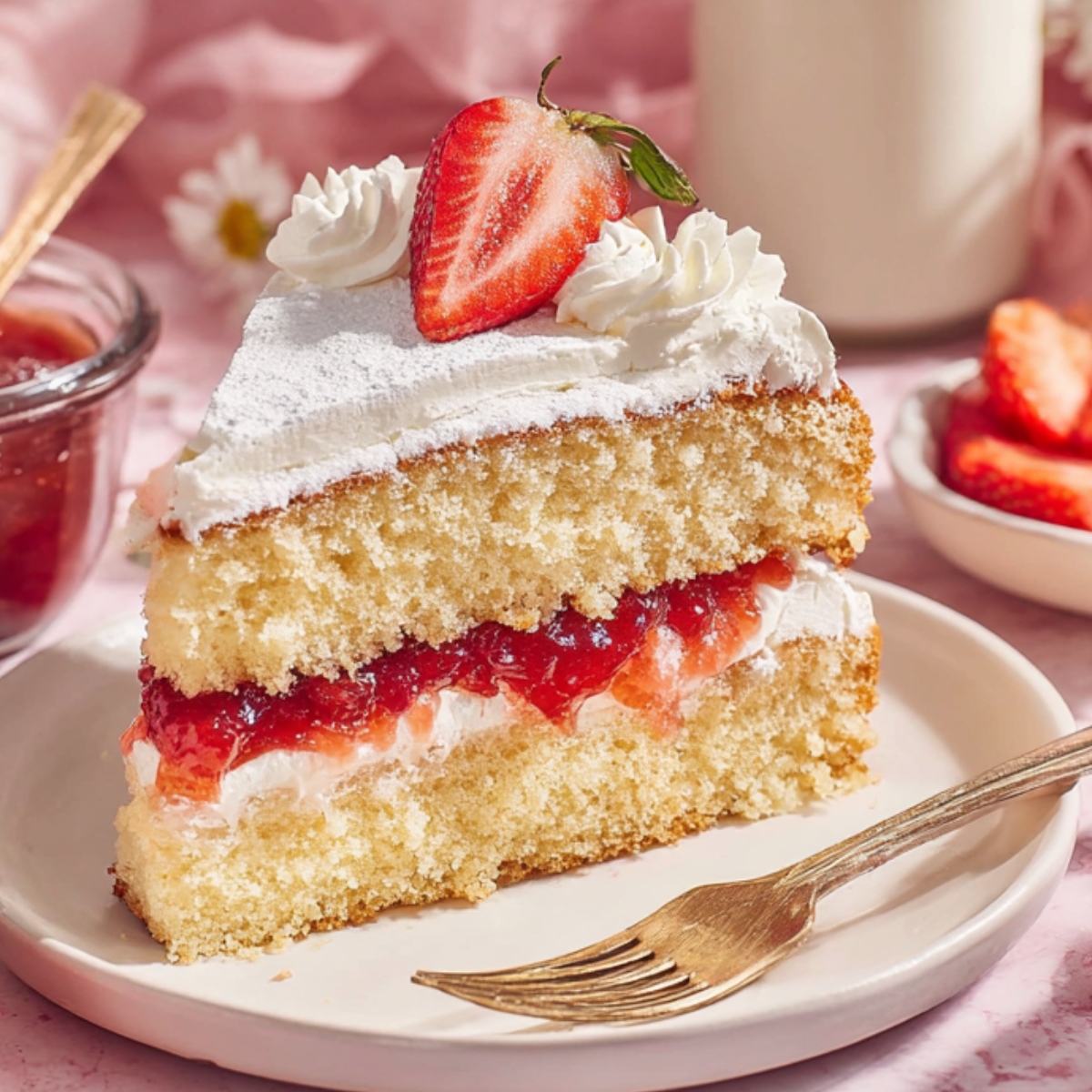
If you love easy, stunning cakes that feel a little fancy without much effort, you're going to love this one.The soft vanilla sponge has this delicate, buttery crumb that practically melts when it hits the cream and jam. It reminded me of the same cozy feeling I get from my Mango Mousse Cake or these dreamy Orange Mousse Cups on a warm afternoon. And if you're someone who loves a tender, cloud-like layer Victoria Sponge Cake, this classic British dessert might become your new go-to.
Why You'll Love This Victoria Sponge Cake
Two golden layers of buttery sponge, a thick swipe of strawberry jam, and a cloud of fresh whipped cream - this Victoria Sponge Cake looks like it came from a little corner bakery, but it comes together with ingredients you probably already have sitting in your kitchen. The sponge bakes up so light and tender, and that combination of sweet jam and cold cream in the middle is genuinely hard to stop eating.
If this Victoria Sponge Cake has you in a baking mood, here are a few more recipes worth trying next. My Chocolate Hazelnut Cake has the same elegant layer-cake feel with a richer, nuttier flavor. And if you love a no-fuss sweet bite alongside your tea, the White Chocolate Red Velvet Cookies are a wonderful little treat that always disappears fast.
Jump to:
Victoria Sponge Cake Ingredients
Here's a quick look at the ingredients before we get started.
See Recipe Card Below This Post For Ingredient Quantities
Cake
- Unsalted butter, softened : Room-temperature butter is key here. It creams up light and fluffy with the sugar, giving the sponge that tender, delicate crumb.
- Granulated sugar : Sweetens the batter and helps create a fine, even crumb when beaten with the butter.
- Large eggs : Eggs add structure, moisture, and richness. Add them one at a time so the batter doesn't split.
- Self-rising flour : This flour already has leavening built in, which keeps the sponge light without any extra fuss. See the note below if you need to substitute.
- Vanilla extract : Adds a warm, gentle flavor that pairs beautifully with the strawberry jam.
- Milk : Loosens the batter slightly so it spreads smoothly in the pans.
Filling & Decoration
- Strawberry jam : A thick, fruity layer that brings sweetness and a pop of color to the center.
- Heavy cream, whipped : Freshly whipped cream is lighter and more pillowy than store-bought. It's worth the few minutes.
- Fresh strawberries, sliced : Adds a bright, summery finish on top. Gorgeous and simple.
- Powdered sugar, for dusting: A light snowfall of powdered sugar on top is the traditional, elegant finish.
How to Make Victoria Sponge Cake
Everything comes together in a handful of simple steps. Here's how to do it.
Preheat the oven: Set your oven to 350°F (180°C). Grease two 8-inch round cake pans and line the bottoms with parchment paper so the layers release cleanly.
Cream butter and sugar: Add the softened butter and granulated sugar to a large bowl. Beat them together for 3 to 4 minutes until the mixture turns pale, light, and fluffy. This step matters - it's what gives the sponge its lift.
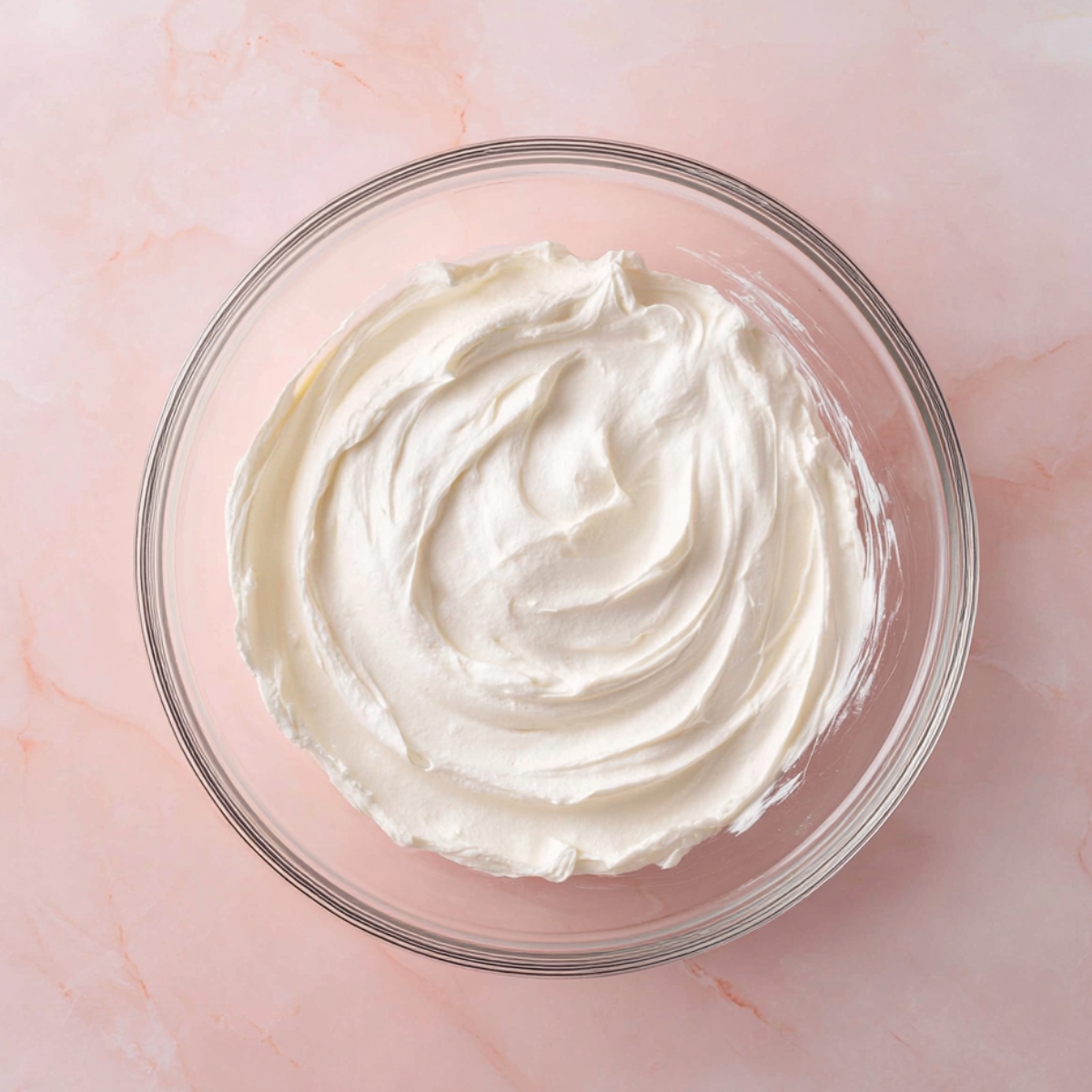
Add the eggs: Crack in the eggs one at a time, beating well after each one. Taking it slow here keeps the batter smooth and prevents it from curdling.
Fold in the flour: Sift the self-rising flour over the batter and gently fold it in with a spatula. Don't overmix - a light hand keeps the crumb tender and soft.
Add vanilla and milk: Stir in the vanilla extract and milk until everything is just combined. The batter should look smooth and drop easily from the spoon.
Fill the pans: Divide the batter evenly between both prepared pans and smooth the tops with a spatula. Even layers make for a prettier finished cake.
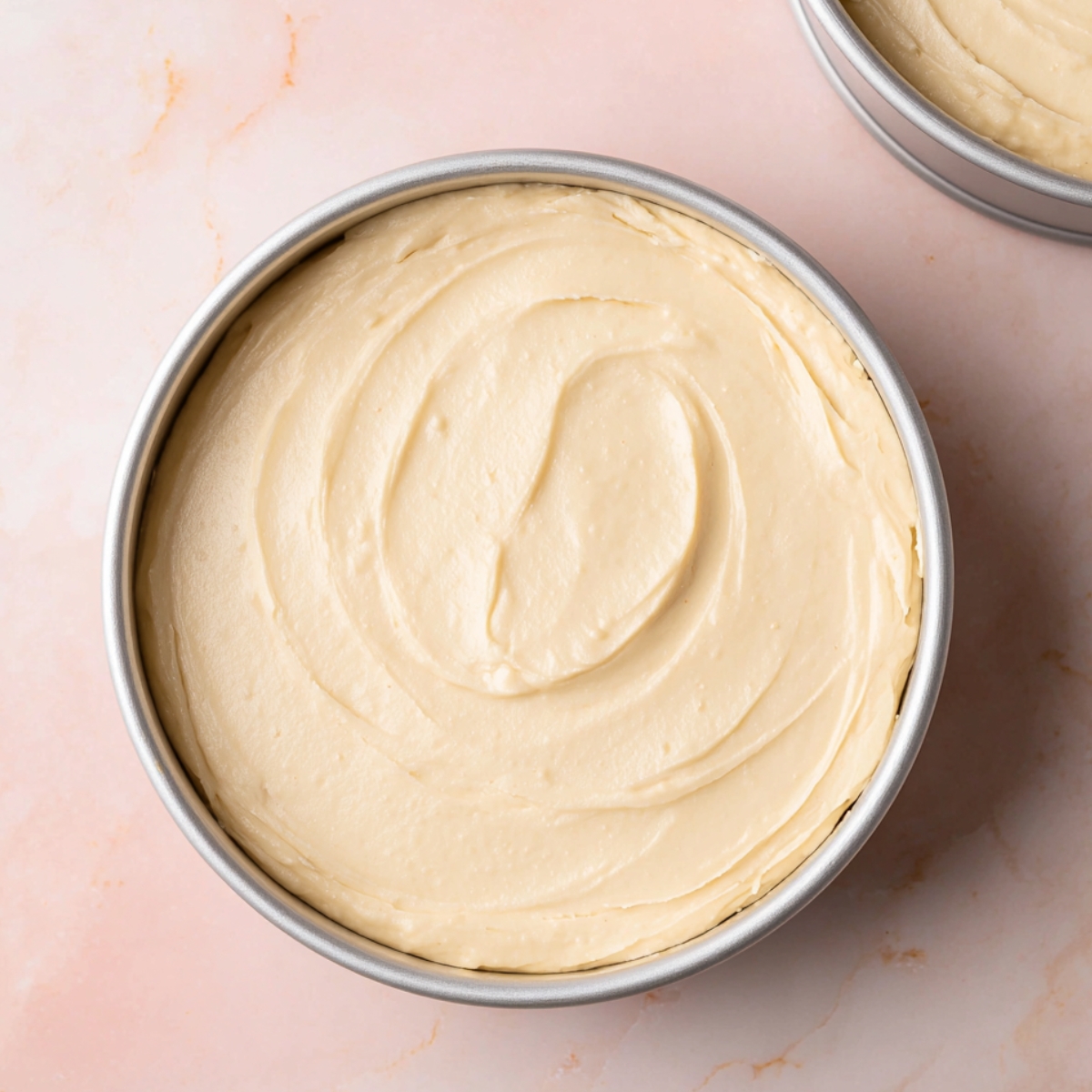
Bake: Slide the pans into the oven and bake for 22 to 25 minutes. The cakes are ready when they're golden on top, pulling slightly away from the edges, and a toothpick inserted into the center comes out clean.
Cool completely: Let the cakes cool in the pans for 5 minutes, then turn them out onto a wire rack. Don't rush this step - assembling warm cakes melts the cream filling.
Assemble the cake: Place one cake layer on your serving plate. Spread the strawberry jam evenly over the top, then add a generous, thick layer of whipped cream over the jam.
Finish and decorate: Set the second Victoria Sponge Cake layer on top, press it down gently, and dust the surface with powdered sugar. Pipe the remaining whipped cream into decorative swirls on top and arrange the sliced fresh strawberries over everything.
Substitutions and Swaps
- No self-rising flour? Make your own by combining 2 cups (225g) all-purpose flour, 2½ teaspoons baking powder, and ½ teaspoon salt. Whisk together before adding.
- Strawberry jam alternatives: Raspberry jam works beautifully here and gives a slightly tart contrast to the cream.
- Heavy cream: If you prefer a firmer, more stable filling, lightly sweetened mascarpone cream holds up longer and still tastes incredible.
- Fresh strawberries: Any fresh berry works on top - raspberries, blueberries, or a mix all look lovely.
Equipment For Victoria Sponge Cake
- Two 8-inch round cake pans
- Mixing bowls
- Electric mixer or hand whisk
- Measuring cups and spoons
- Sieve
- Spatula
- Piping bag with star nozzle
- Wire cooling rack
- Parchment paper
How to Store Victoria Sponge Cake
- Room temperature: The assembled cake can sit at room temperature for up to 2 hours before serving - any longer and the cream starts to soften too much.
- Refrigerator: Store the finished Victoria Sponge Cake covered in the fridge for up to 2 days. The sponge layers stay moist and the cream holds up well.
- Baking ahead: You can bake and cool both sponge layers up to a day ahead. Wrap them tightly in plastic wrap and store at room temperature, then assemble the next day.
- Freezing the sponge: Un-filled sponge layers freeze well for up to 2 months. Wrap each layer individually, thaw at room temperature, then fill and decorate.
How to Serve Victoria Sponge Cake
With a pot of tea: This is how it was meant to be enjoyed. A warm cup of Earl Grey or English Breakfast tea alongside a slice is a genuinely lovely afternoon.
As a birthday cake: Pipe extra whipped cream swirls, add a few more strawberries, and this traditional English Victoria Sponge Cake is elegant enough for any celebration.
With a drizzle of strawberry sauce: If you want to lean into the strawberry flavor even more, a light drizzle of fresh strawberry coulis over each slice is beautiful. If you love strawberry desserts, my Strawberry Crunch Brownies might be calling your name too.
As part of an afternoon spread: Set it out alongside something like Puff Pastry Apple Tartlets for a proper little spread that feels very special without a ton of effort.
Expert Tips
- Room temperature butter is non-negotiable. Cold butter won't cream properly, and the whole texture of the sponge suffers. Pull it out at least an hour before baking.
- Weigh your ingredients. This recipe is forgiving, but when it comes to the flour and butter especially, the gram measurements give you the most consistent results.
- Don't open the oven early. Wait until at least 20 minutes have passed before checking on the cakes. Opening the door too soon lets the heat escape and the sponge can sink in the middle.
- Cool completely before filling. Seriously. Warm sponge + whipped cream = a melted, sliding mess. Ask Jackeline.
- Whip the cream to soft-medium peaks. You want it thick enough to hold its shape but still light and pillowy. Over-whipped cream can turn grainy quickly.
You'll also love: our castella cake, the fluffy Japanese honey sponge cake.
FAQ
What is a traditional Victoria Sponge Cake?
A traditional Victoria sandwich cake is a classic British dessert made of two equal layers of buttery vanilla sponge, sandwiched together with strawberry jam and whipped cream, then dusted with powdered sugar. It's been a staple of British home baking and afternoon tea culture for well over a century. No frosting, no elaborate decorations - that simplicity is part of the charm.
Why is my Victoria sponge not light and fluffy?
The most common reason is the butter. If it's even slightly too cold, it won't cream properly with the sugar and the sponge ends up dense. The second most common reason is overmixing the flour - once you add it, fold gently and stop as soon as the batter comes together. A family tip: if your cakes come out flat, try beating the butter and sugar for an extra minute next time. That extra air makes a real difference.
Can I make Victoria sponge cake ahead of time?
Yes, and it works really well. Bake both sponge layers the day before, wrap them in plastic wrap, and keep them at room temperature. Fill and decorate the cake a couple of hours before serving. This actually gives the sponge time to settle and the flavor deepens slightly overnight.
How do I keep a Victoria sponge cake moist?
The key is not overbaking it. Pull the cakes when the toothpick comes out clean and the edges are just starting to pull away from the pan. Even a few extra minutes in the oven dries out the crumb. Also, keeping the filled cake covered in the fridge prevents it from drying out if you're storing it overnight.
Related
Looking for other recipes like this? Try these:
Pairing
These are my favorite dishes to serve with Victoria Sponge Cake


Victoria Sponge Cake
Ingredients
Method
- Preheat the oven to 350°F (180°C). Grease two 8-inch cake pans and line the bases with parchment paper.
- Beat the softened butter with the sugar until the mixture becomes pale, creamy, and fluffy, about 3 to 4 minutes.
- Mix in the eggs one at a time, beating thoroughly after each addition until fully incorporated.
- Sift the self-rising flour over the batter and gently fold it in until no dry streaks remain.
- Blend in the vanilla extract and milk just until the batter is smooth and evenly mixed.
- Divide the batter evenly between the prepared pans and level the tops with a spatula.
- Bake for 22 to 25 minutes, or until the cakes are lightly golden and a toothpick inserted into the center comes out clean.
- Allow the cakes to cool in the pans for 5 minutes before transferring them to a wire rack. Cool completely, then chill for about 30 minutes before assembling.
- Spread the strawberry jam evenly over one cooled cake layer, then cover it with a generous layer of whipped cream.
- Set the second sponge on top and lightly dust the surface with powdered sugar.
- Pipe decorative swirls of the remaining whipped cream over the cake and finish with sliced fresh strawberries before serving.

Leave a Reply