
Soft, pillowy, dripping with orange icing, and smelling like a citrus grove just woke up in your kitchen, these Orange Sweet Rolls are the kind of breakfast that makes people wander in from other rooms still half asleep. I first made them on a slow Sunday morning when I had a couple of oranges sitting on the counter and zero plans to leave the house, and honestly, I haven't stopped making them since.


If you love citrus baking, you might also want to try my Orange Glazed Cranberry Bread for another easy citrus fix, or bookmark these Peach Hand Pies Recipe for when stone fruit season hits. These fluffy orange rolls sit somewhere between a bakery-style treat and a cozy homemade hug. The bright, fresh orange flavor runs through every layer, from the dough to the filling to that glossy orange icing drizzled on top while they're still warm. If you've ever made my Salted Caramel Cupcakes, you already know how much I love a recipe that looks impressive but isn't fussy, and this one is exactly that.
Where These Orange Sweet Rolls Come From
Orange Sweet Rolls have been a Sunday morning staple in a lot of homes for generations, and the orange version has always had a special kind of charm. Unlike the more traditional cinnamon roll, these lean into citrus as the star, using fresh zest and juice right in the dough, in the filling, and in the icing. It's a layered citrus flavor that builds with every bite instead of hitting you all at once.
Jump to:
Orange Sweet Rolls Ingredients
Here's a look at everything that goes into these Orange Sweet Rolls, and why each piece matters.
See Recipe Card Below This Post For Ingredient Quantities
For the Dough
- Whole milk : Warm milk activates the yeast and adds richness to the dough. Make sure it's not too hot or it'll kill the yeast.
- Granulated sugar : A portion feeds the yeast and gets it going, and the rest sweetens the dough.
- Active dry or instant yeast : The leavening agent that makes the dough rise into those soft, fluffy layers.
- Unsalted butter : Adds richness, tenderness, and that subtle buttery flavor throughout the dough.
- Freshly squeezed orange juice : Adds real citrus flavor right into the base of the dough.
- Fresh orange zest : Packs concentrated orange flavor without extra liquid. Use fresh, not bottled.
- Large eggs : Help bind the dough and add moisture and structure. Room-temperature eggs incorporate more evenly.
- Salt : Balances the sweetness and brings out all the flavors.
- Bread flour :Higher protein than all-purpose flour, which gives the dough better structure and that chewy, tender texture.
For the Filling
- Unsalted butter : Needs to be very soft so it spreads easily and evenly over the dough without tearing it.
- Granulated sugar or brown sugar : Brown sugar adds a hint of molasses warmth; granulated keeps it lighter and cleaner in flavor. Both work.
- Ground cinnamon : A warm, spiced note that pairs beautifully with the citrus.
- Fresh orange zest : Another layer of bright orange flavor right in the heart of the roll.
For the Orange Icing
- Confectioners' sugar : The base of the icing, giving it that smooth, glossy finish.
- Freshly squeezed orange juice : Thins the icing to a drizzle consistency and adds fresh citrus flavor.
- Pure vanilla extract : A small touch that rounds out the sweetness without overpowering the orange.
How to Make Orange Sweet Rolls
Here's everything you need, step by step.
Start the yeast: In the bowl of a stand mixer fitted with a dough hook, whisk together the warm milk, 2 Tablespoons of the sugar, and the yeast. Cover loosely and let it sit for about 5 minutes until the surface looks foamy. That foam means the yeast is active and ready.
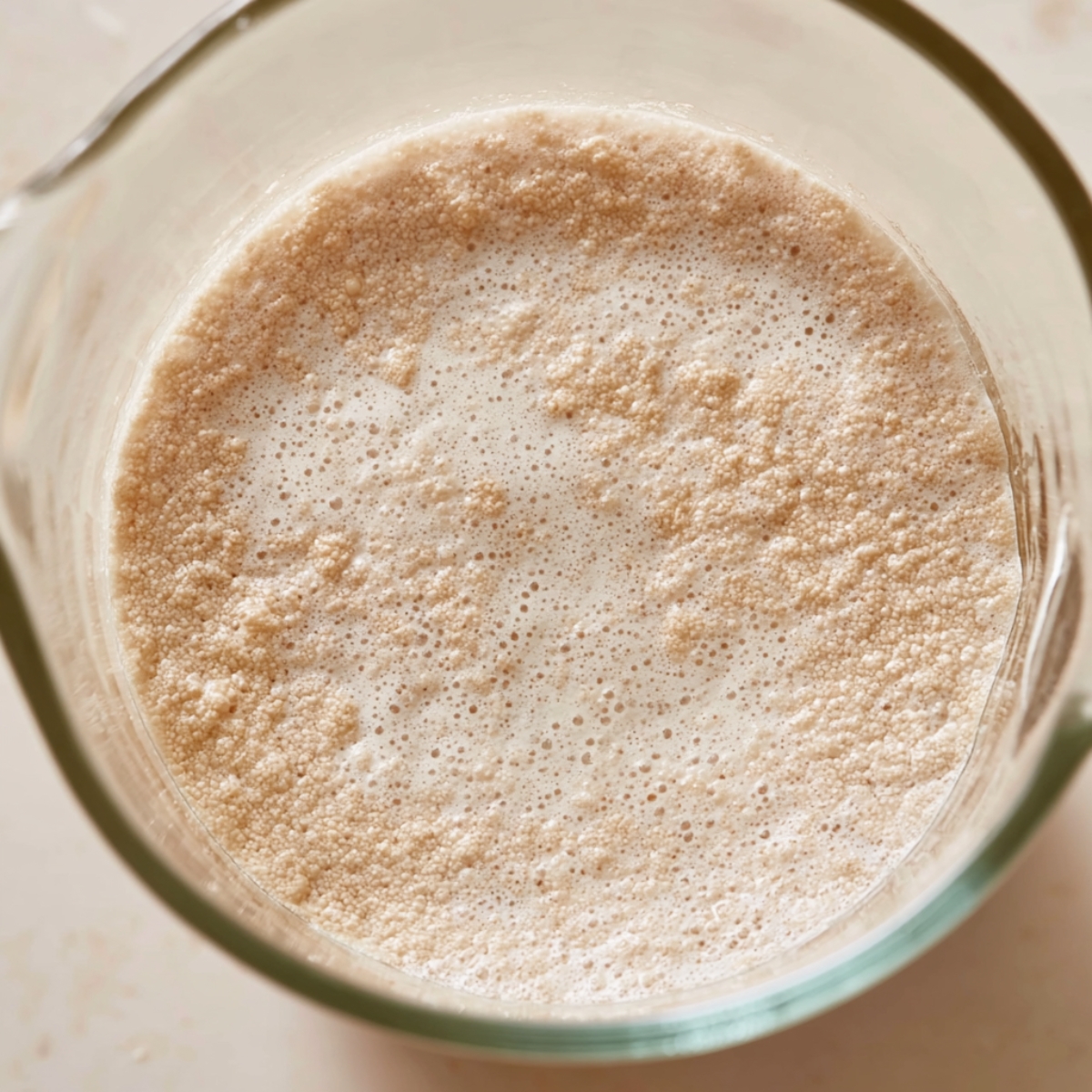
Build the dough: Add the remaining sugar, softened butter, orange juice, orange zest, eggs, salt, and 1 cup of the bread flour. Beat on medium speed for 1 minute. Scrape down the sides of the bowl, then add the remaining 3 cups of flour. Beat on low speed until a soft dough forms and pulls away from the sides of the bowl. If it's sticking too much, add more flour 1 Tablespoon at a time until it clings to the hook instead.
Knead: Keep the mixer on low and knead for 6 to 8 minutes, or turn the dough out onto a lightly floured surface and knead by hand for the same amount of time. The dough should feel soft and slightly tacky, not stiff, and when you poke it gently, it slowly springs back. That's when it's ready.
First rise: Lightly grease a large bowl. Place the dough inside and turn it to coat all sides. Cover the bowl and let the dough rise in a warm spot for 1 ½ to 2 hours, until it's doubled in size.
Prep the pan: Grease a 9 x 13-inch baking pan, or line it with parchment paper for easy cleanup.
Roll it out: Punch the risen dough down to release the gas. On a lightly floured surface, roll it into a 10 x 16-inch rectangle. If the dough keeps shrinking back, cover it and let it rest for 10 minutes before continuing. It just needs a little break.
Add the filling: Spread the extra-softened butter evenly across the entire surface of the dough. In a small bowl, stir together the sugar, cinnamon, and orange zest until combined, then sprinkle it all evenly over the butter. Tightly roll the dough from one long end into a 16-inch log, keeping the roll firm as you go. Slice into 12 rolls, each about 1 to 1 ½ inches wide, and arrange them in the prepared pan.
Second rise: Cover the pan tightly and let the rolls rise again for 30 to 45 minutes, until they're puffed and touching each other.
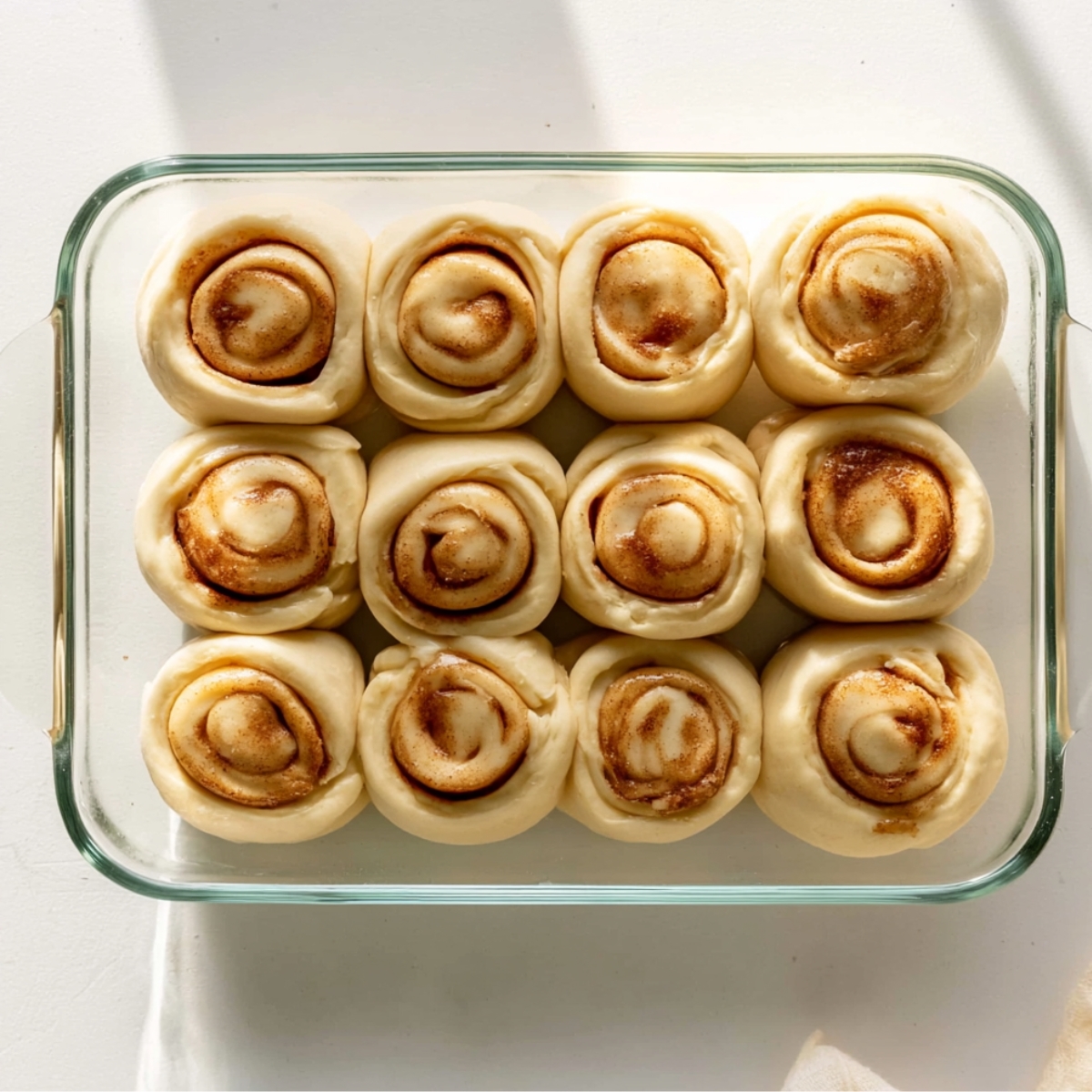
Bake: Preheat your oven to 350°F (177°C). Bake the rolls for 25 to 28 minutes, until the tops are lightly golden. After the first 15 minutes, loosely tent the pan with aluminum foil to keep the tops from over-browning. An instant-read thermometer should read 190°F (88°C) in the center when they're done. Cool in the pan for about 10 minutes.
Make the icing: Whisk together the confectioners' sugar, fresh orange juice, and vanilla extract until the icing is smooth and pourable.
Finish: Drizzle the orange icing generously over the warm rolls and serve right away while everything is still soft and gooey.
Substitutions and Swaps
Bread flour vs. all-purpose flour: Bread flour is strongly recommended here because it gives the rolls better structure and a chewier, bakery-style texture. All-purpose flour can work in a pinch, but the Orange Sweet Rolls will be slightly softer and less structured. See the FAQ below for more on this.
Granulated vs. brown sugar in the filling: Both are listed in the recipe. Brown sugar adds a light caramel warmth; granulated keeps the citrus flavor front and center. Try it both ways and see which you prefer.
Fresh orange juice and zest: Please don't swap these for bottled juice or dried zest. The fresh citrus is what gives these Orange Sweet Rolls their bright, clean flavor. It really does make a difference.
Unsalted vs. salted butter: The recipe calls for unsalted so you can control the salt level. If you only have salted butter, reduce or skip the added salt in the dough.
Equipment For Orange Sweet Rolls
You don't need anything out of the ordinary for this Orange Sweet Rolls.
- Stand mixer with dough hook attachment
- Large mixing bowl
- Wooden spoon or silicone spatula (optional)
- Rolling pin
- 9 x 13-inch baking pan
- Citrus juicer
- Citrus zester
- Whisk
- Cooling rack
- Instant-read thermometer (optional, but helpful)
- Aluminum foil
- Measuring cups and spoons
How to Store Orange Sweet Rolls
At room temperature: Cover the pan tightly and store for up to 2 days. The rolls are best warm, so give them a quick 15 to 20 seconds in the microwave before eating.
In the refrigerator: Store covered for up to 5 days. Warm individual Orange Sweet Rolls in the microwave for about 20 to 30 seconds before serving.
To freeze: Freeze the baked, un-iced Orange Sweet Rolls in an airtight container for up to 2 months. Thaw overnight in the refrigerator, warm in the oven at 300°F, and add fresh icing before serving.
Serving Ideas
These Orange Sweet Rolls are made for slow mornings, but they're happy at brunch, holiday tables, or anywhere people gather around food.
- Serve warm with a big mug of strong coffee or hot tea, the contrast of bitter and sweet is really lovely.
- Pair alongside a fruit salad or fresh sliced strawberries for a bright, colorful brunch spread.
- Serve with a scoop of vanilla ice cream for a dessert version, a little over the top in the best way. (Like these No-Bake Banana Cream Cheesecake bars that always disappear at parties.)
- For a fuller sweet table, add a pan of Peach Pie Crumb Bars and your guests will not stop talking about it.
Expert Tips
Don't rush the rises. Both rise times are important. A full first rise develops flavor in the dough. Skimping on it gives you less depth of taste and a denser roll.
Use really soft butter for the filling. It should be spreadable to the point of almost scoopable. If the butter is too firm, it tears the dough when you try to spread it.
Zest before juicing. Always zest your orange first, then cut it and juice it. Once you've juiced it, there's nothing left to zest.
Let them cool before icing. Well, for about 10 minutes at least. Too hot and the icing melts completely into the Orange Sweet Rolls. A little warm is perfect because it soaks in just slightly at the edges. Totally worth waiting for.
FAQ
Can I make orange sweet rolls the night before?
Yes, these overnight Orange Sweet Rolls are a great make-ahead option. After you arrange the sliced rolls in the pan, cover tightly and refrigerate overnight instead of doing the second rise on the counter. The next morning, let them sit at room temperature for about 45 minutes to 1 hour before baking. This slow cold rise actually develops a deeper flavor, so it's worth doing when you have the time.
What is the best icing for orange sweet rolls?
The orange glaze cinnamon rolls icing in this recipe, made with confectioners' sugar, fresh orange juice, and a splash of vanilla, is the one I'd reach for every time. It's bright, lightly sweet, and lets the citrus shine without being heavy. If you want something richer, a cream cheese glaze with a little orange zest stirred in works beautifully too.
How do I keep sweet rolls soft?
The key to soft homemade brunch rolls is not overbaking them and storing them covered so they don't dry out. Pull them from the oven when the center reads 190°F (88°C), even if they look slightly underdone. They'll finish setting as they cool. Covering the pan well for storage keeps moisture in. A quick warm-up in the microwave before eating brings back most of that freshly baked softness.
Can I use all-purpose flour instead of bread flour?
You can, but yeast Orange Sweet Rolls made with bread flour have a noticeably better texture. Bread flour's higher protein content creates more gluten, which gives the rolls that stretchy, chewy, bakery-style pull. All-purpose flour works in a pinch and still produces a good roll, but if you can get bread flour, use it here.
Related
Looking for other recipes like this? Try these:


Pairing
These are my favorite dishes to serve with Orange Sweet Rolls



Orange Sweet Rolls
Ingredients
Method
- Combine the warm milk, 2 tablespoons of sugar, and yeast in the bowl of a stand mixer fitted with the dough hook and whisk briefly to blend.
- Let the mixture rest uncovered for about 5 minutes, until it turns foamy and fragrant on the surface.
- Add the remaining 4 tablespoons of sugar, softened butter, orange juice, orange zest, eggs, salt, and 1 cup of bread flour to the yeast mixture, then beat on medium speed for 1 minute.
- Scrape down the sides of the bowl, add the remaining 3 cups of flour, and beat on low speed until a soft, slightly tacky dough pulls away cleanly from the sides of the bowl.
- If the dough clings too much, add flour one tablespoon at a time until it wraps around the hook and holds its shape without sticking.
- Continue mixing on low speed for 6 to 8 minutes, or turn the dough onto a lightly floured surface and knead by hand for the same amount of time, until smooth and elastic.
- Test the dough by stretching a small piece thin enough to let light pass through without tearing; if it holds, the dough is ready.
- Transfer the dough to a lightly oiled large bowl, turning it once so all sides are coated, then cover tightly and let it rise in a warm spot for 1½ to 2 hours, or until roughly doubled in size.
- While the dough rises, grease the bottom and sides of a 9×13-inch baking pan or line it with parchment paper.
- Turn the risen dough out onto a lightly floured surface and press firmly to deflate it, then roll it into a smooth, even 10×16-inch rectangle; if it springs back, cover it loosely and rest it for 10 minutes before continuing.
- Spread the softened butter in an even layer across the entire surface of the dough.
- Stir together the sugar, cinnamon, and orange zest until the zest is fully coated and fragrant, then scatter the mixture evenly over the buttered surface.
- Starting from a long edge, roll the dough into a tight, even 16-inch log, then use a sharp knife to cut it into 12 equal rolls about 1 to 1½ inches wide each.
- Arrange the rolls cut-side up in the prepared pan, spacing them evenly, then cover and let rise for 30 to 45 minutes until noticeably puffed.
- Preheat the oven to 350°F (177°C) while the rolls complete their rise.
- Bake the rolls for 25 to 28 minutes until the tops are light golden brown, placing a loose sheet of foil over the pan after 15 minutes if the tops are browning too quickly; the internal temperature should read 190°F on an instant-read thermometer.
- Transfer the pan to a cooling rack and rest for 10 minutes while the glaze is prepared.
- Whisk together the confectioners' sugar, orange juice, and vanilla extract in a small bowl until smooth and pourable.
- Drizzle the glaze generously over the warm rolls and serve right away.

Leave a Reply