
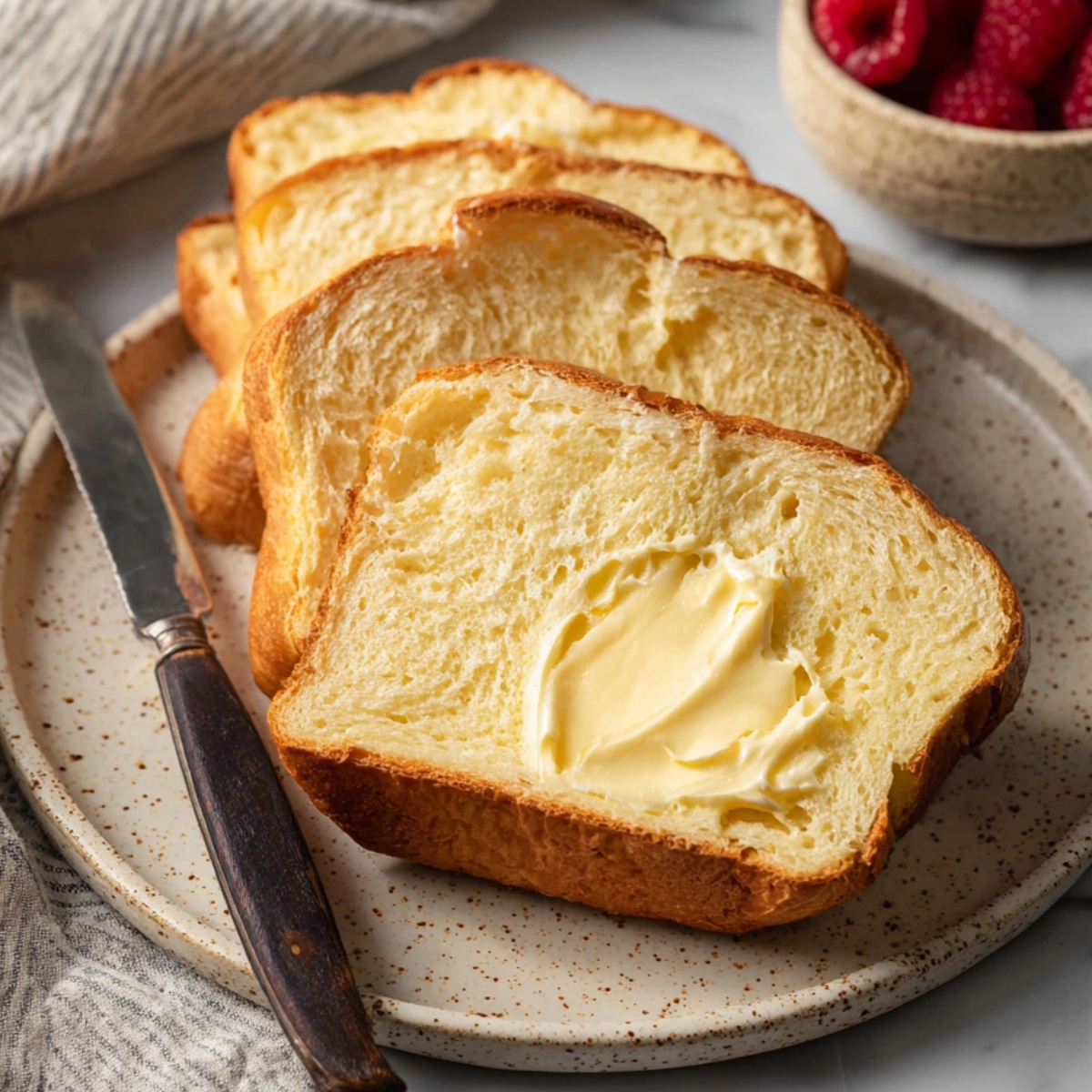
There's nothing quite like slicing into a loaf of homemade brioche that's still warm from the oven. The knife glides through butter-soft layers, steam rises up, and suddenly your whole kitchen smells like a French patisserie. I first fell in love with brioche years ago, biting into a perfect golden slice at a little café in Lyon, but I never thought I could recreate that bakery magic at home.
Why You'll Love This Homemade Brioche
This isn't just bread. It's a showstopper that proves home bakers can rival French bakeries. The rich buttery bread stays soft for days, toasts beautifully, and transforms simple breakfasts into something special. Unlike many enriched dough recipes, this one uses cold fermentation meaning the flavors develop slowly, deeply, and beautifully while you sleep. The stand mixer does the hard work, and the cold ingredients keep everything under control, even for beginners.
If you loved mastering this rich buttery bread, you'll adore these other recipes. Try our Sourdough Bread for a different kind of fermented magic, or explore our No-Bake Greek Yogurt Fruit Tart for something that doesn't require an oven at all. For something sweeter, our Blueberry Pie Bars and Raspberry Cheesecake Brownies are showstoppers, and if you want to keep desserts simple, our No Bake Cheesecake Jars are perfect for busy days.
Jump to:
Homemade Brioche Ingredients
Gather these ingredients-they work together to create that signature soft, buttery crumb:
See Recipe Card Below This Post For Ingredient Quantities
For the Dough:
- Bread flour : Provides structure and creates that perfect, tender crumb that defines Homemade Brioche. Its higher protein content helps develop the gluten network the dough needs.
- Active dry or instant yeast : Gently leavens the dough during the long, cold fermentation, which develops deep, complex flavor.
- Granulated sugar : Feeds the yeast and adds subtle sweetness without overpowering the rich butter flavor.
- Salt : Balances the sweetness and strengthens the gluten structure for better texture.
- Cold whole milk : Creates moisture and tenderness in the crumb. Cold is essential-warm milk can overdevelop the yeast too quickly.
- Cold large eggs : Bind the dough, add richness, and create that silky, elastic texture. Cold eggs are non-negotiable.
- Unsalted butter , cold: The star ingredient-it creates that impossibly soft, luxurious texture and rich flavor. Cold butter incorporates evenly without making the dough greasy.
For Assembly & Finishing:
- Egg wash: brushed on top before baking for that gorgeous golden shine.
How to Make Homemade Brioche
This two-day process is simpler than it sounds. Follow these steps and you'll have bakery-quality Homemade Brioche:
Make the dough: In the bowl of your stand mixer fitted with the dough hook, whisk together the flour, yeast, sugar, and salt. Add the cold milk and eggs, then mix on medium-low speed for 3 full minutes until everything comes together into a shaggy mass. It'll look rough and uneven at first-that's exactly right. Stop and scrape down the sides of the bowl as needed.
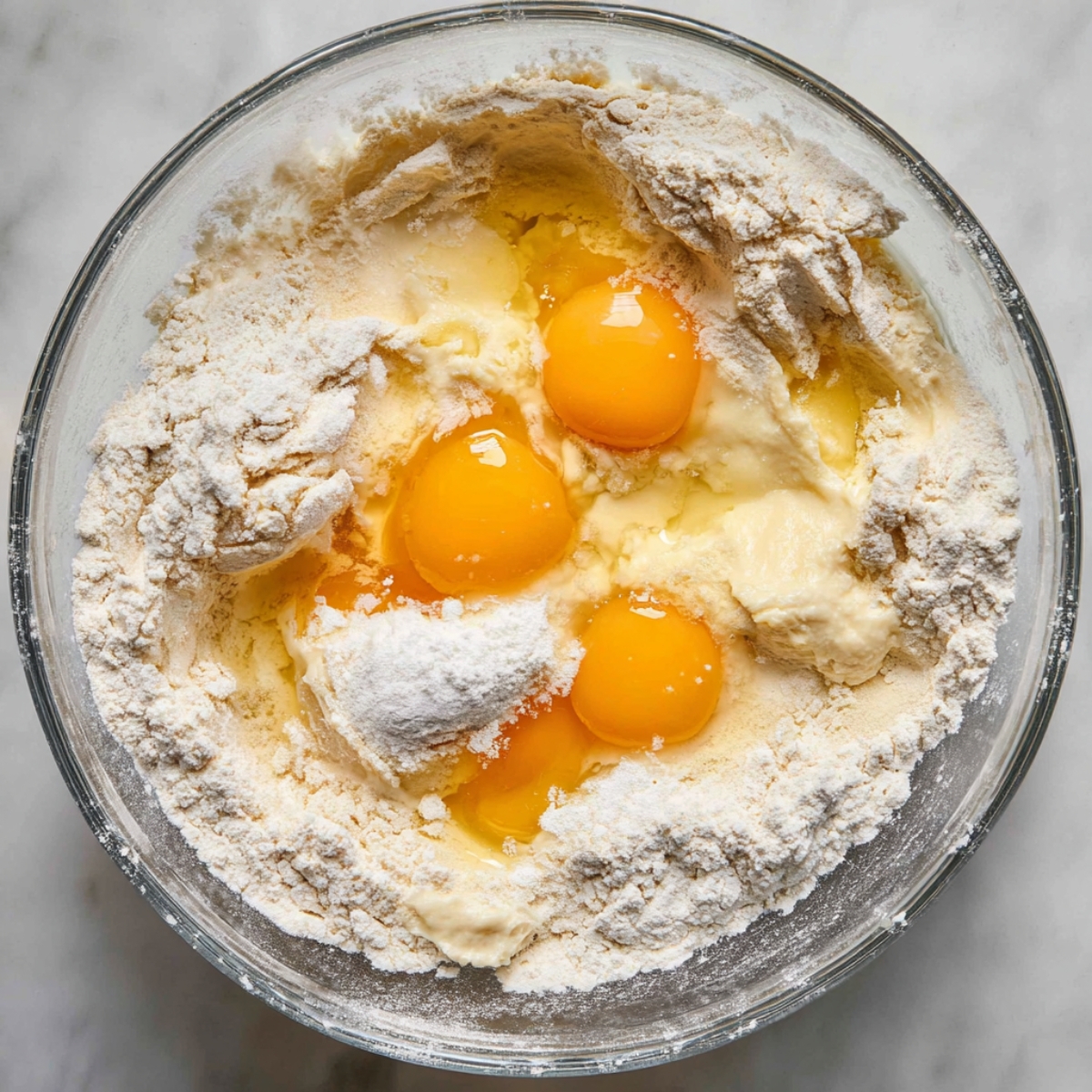
Develop the gluten: Increase the speed to medium and let the mixer run for 8 to 10 minutes. Don't shorten this time. You'll know it's ready when the dough wraps itself around the dough hook and slaps the sides of the bowl rhythmically. If this isn't happening after about 8 minutes, add a little more flour, 1 tablespoon at a time, and keep mixing. The dough should look smooth, not sticky.
Plasticize the butter: While the dough mixes, prep your butter. Lay a sheet of parchment paper on a sturdy cutting board and cut the cold butter into 8 equal pieces. Arrange the pieces on the parchment, then cover with a second sheet of parchment. Using a rolling pin, pound the butter to flatten it to about 1/16th of an inch thickness (roughly 2mm). If your dough isn't ready for the next step, transfer the butter, still between the parchment, to the refrigerator. It must stay cold.
Incorporate the butter: With the mixer running on medium-low, add the butter, 2 pieces at a time. Use a knife or offset spatula to scrape the butter off the parchment and into the bowl. Wait until each addition has completely incorporated-this takes about 2 minutes-before adding the next 2 pieces. If butter sticks to the bowl's sides, stop the mixer and scrape it down. Once all 8 pieces are in, increase the speed to medium and mix for another 2 minutes until the dough is smooth, shiny, and elastic. It'll be very soft, almost silky. That's perfect.
First rise (overnight refrigeration): Grease a large bowl with butter, oil, or nonstick spray. Shape the dough into a ball, place it in the bowl, and turn it to coat all sides. Cover tightly with plastic wrap and refrigerate for at least 12 to 16 hours, or up to 48 hours. This cold fermentation is where the magic happens-flavors develop, and the dough becomes easier to shape.
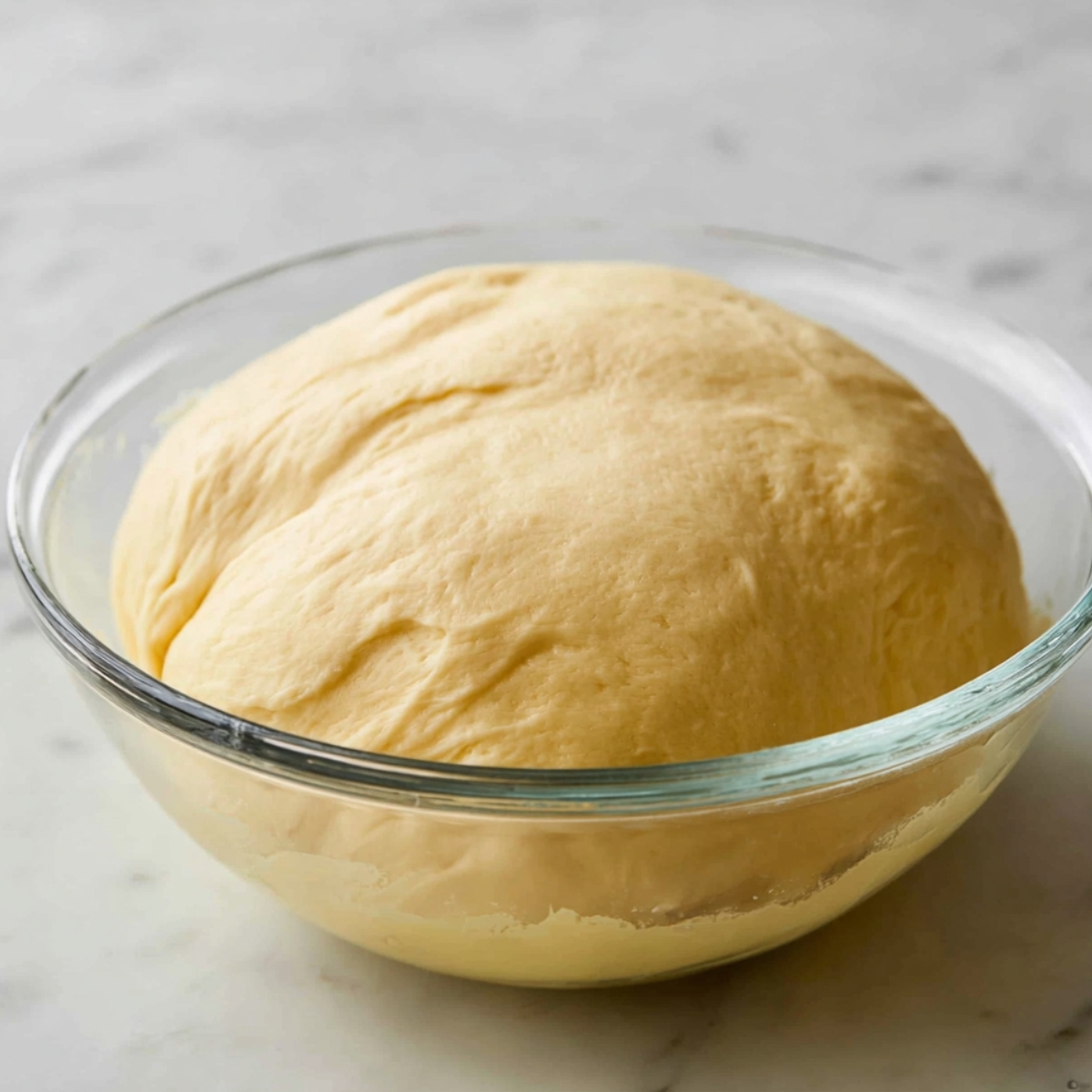
Prepare the pan: Grease a 9×5-inch loaf pan with butter or nonstick spray.
Shape the brioche: Remove the dough from the refrigerator and turn it onto a lightly floured surface. Divide it into 6 equal pieces. A bench scraper makes this easier, but a sharp knife works fine too. Here's a pro tip: if you have a kitchen scale, weigh the total dough, divide by 6, and aim for each piece to weigh about 140 to 145g (assuming your dough weighs around 850g). Shape each piece into a smooth, tight ball by gently pulling the surface toward the bottom. Place the balls in your prepared loaf pan in a staggered zigzag pattern-this creates those beautiful visible layers when you slice.
Second rise (bulk fermentation): Cover the loaf lightly with plastic wrap or a clean kitchen towel. Let it rise at room temperature for 1.5 to 2 hours until it's puffy and just reaches the rim of the pan. The dough should feel soft and pillowy when you gently poke it, and it shouldn't spring back immediately.
Prepare to bake: Adjust an oven rack to the lower position and preheat your oven to 350°F (177°C).
Apply egg wash and bake: When the Homemade Brioche has risen to the rim, brush the top generously with egg wash. Bake for 35 to 40 minutes until golden brown on top. For accuracy, insert an instant-read thermometer into the center of the loaf-it's done when the internal temperature reaches 195°F (91°C). If you notice the top browning too quickly around the 20-minute mark, loosely tent the pan with aluminum foil to protect it.
Cool and slice: Let the Homemade Brioche cool in the pan on a cooling rack for at least 10 minutes. Then carefully flip it out of the pan and onto the rack to continue cooling. Wait at least 1 hour before slicing-this allows the crumb to set and gives you neat, fluffy slices. (Warm pieces will be extra soft and tender, but they'll be harder to cut cleanly.
Substitutions & Variations
Can I use all-purpose flour instead of bread flour? You can, but bread flour's higher protein content really helps develop the gluten structure this dough needs. All-purpose flour will work, though your Homemade Brioche may be slightly less structured.
What if I don't have a stand mixer? You can mix by hand, but expect to spend 15 to 20 minutes working the dough until it's smooth and elastic. Incorporating the butter by hand is the real challenge-be patient and work in small pieces.
Can I make Homemade Brioche rolls instead of a loaf? Absolutely. After shaping into balls, place them in a greased muffin tin or on a baking sheet. They'll rise and bake in about 20 to 25 minutes at 350°F (177°C).
Can I freeze the dough? Yes. After the first rise, shape and freeze individual dough balls in a freezer-safe container for up to 3 months. Thaw in the refrigerator overnight, then proceed with the second rise.
Equipment For Homemade Brioche
- Electric stand mixer with dough hook attachment
- Large mixing bowl (if not using stand mixer)
- Parchment paper
- Rolling pin
- Sturdy cutting board
- Bench scraper (optional but helpful)
- 9×5-inch loaf pan
- Silicone spatula
- Instant-read thermometer (optional but recommended)
- Aluminum foil
- Cooling rack
- Kitchen scale (optional but helpful for precision)
Storage Tips For Homemade Brioche
Room temperature: Keep your Homemade Brioche covered tightly (in a bread bag or wrapped well) for up to 5 days. It stays soft and fresh longer than most breads.
Refrigerator: Store covered for up to 1 week. The cold actually helps preserve moisture, though the flavor is best within the first few days.
Freezer: Slice and freeze in a freezer bag for up to 2 months. Toast slices straight from frozen for quick, delicious Homemade Brioche toast.
Expert Tips
Precision matters use a kitchen scale. Measuring flour by volume can be inconsistent. A simple kitchen scale costs under $20 and transforms your baking accuracy. It's worth it.
Cold ingredients are non-negotiable. Warm milk or eggs will cause the yeast to activate too quickly, throwing off your timing and texture. Keep everything in the fridge until you're ready to mix.
The overnight fermentation develops incredible flavor. Don't skip this step or rush it. The cold rest is where the magic happens slow fermentation creates complexity and better texture.
Watch for gluten development, not time. The dough hook should wrap the dough around it and slap the bowl's sides. If this isn't happening after 8 minutes, add a tiny bit more flour and keep going.
Tent foil carefully. If your Homemade Brioche is browning too fast, tent loosely you want air to circulate, not steam to build up. Loose is key.
FAQ
How long does homemade brioche keep?
Homemade Brioche stays soft and fresh for up to 5 days at room temperature (covered tightly). In the refrigerator, it lasts about 1 week. Freezing extends it to 2 months if you slice and bag it before freezing. Here's a tip: brioche actually improves for the first day or two as the flavors settle-day two toast is often even better than day one.
Can I make brioche rolls instead of a loaf?
Absolutely! Shape the dough into individual balls and place them in a greased muffin tin or on a parchment-lined baking sheet. They'll rise for about 1 to 1.5 hours at room temperature, then bake for 20 to 25 minutes at 350°F (177°C) until golden. You'll get about 12 to 15 rolls from a full batch.
Is a stand mixer absolutely necessary?
Not absolutely, but it's a huge help. Mixing by hand takes 15 to 20 minutes of consistent work to develop the gluten, and adding cold butter by hand is challenging. If you don't have a mixer, be patient, take breaks, and work the butter in small pieces. The result will be just as delicious-it'll just take more elbow grease.
What's the best flour to use for brioche?
Bread flour is ideal because its higher protein content (12 to 14 percent) develops strong gluten, giving Homemade Brioche its signature structure and softness. All-purpose flour works too (10 to 12 percent protein), but the results are slightly less consistent. King Arthur, Bob's Red Mill, and Gold Medal all make excellent bread flours. Measure by weight if possible-it's more accurate than cups.
Related
Looking for other recipes like this? Try these:

Pairing
These are my favorite dishes to serve with Homemade Brioche



Homemade Brioche
Ingredients
Method
- Combine the flour, yeast, sugar, and salt in the bowl of your electric stand mixer outfitted with a dough hook.
- Pour in the chilled milk and eggs, then mix on medium-low speed for approximately 3 full minutes until the dough begins to gather around the hook and takes on a rough, shaggy appearance.
- Stop the mixer and scrape the interior sides of the bowl with a spatula to ensure all flour is incorporated, then resume mixing.
- Turn the mixer to medium speed and continue mixing for 8 to 10 minutes without interruption; the dough will gradually wrap around the hook and slap against the bowl sides, indicating proper gluten development.
- If the dough appears too loose after 8 minutes, add flour 1 tablespoon at a time until the dough reaches the correct consistency.
- Set a sheet of parchment paper on a sturdy cutting board and cut your cold butter into 8 equal-sized pieces, arranging them in a single layer on the parchment.
- Cover the butter pieces with a second sheet of parchment paper and use a rolling pin to pound and flatten the butter until it reaches approximately 1/16-inch thickness (roughly 2mm).
- If your dough requires more development time, transfer the butter (still between parchment) to the refrigerator to keep it cold and firm.
- With the mixer running on medium-low speed, add the flattened butter 2 pieces at a time, scraping them from the parchment using a knife or offset spatula.
- Allow each pair of butter pieces to incorporate completely approximately 2 minutes before introducing the next pair; if butter clings to the bowl wall, stop and scrape it down.
- Once all 8 butter pieces have been added, increase mixer speed to medium and run for another 2 minutes until the dough becomes smooth, glossy, and elastic with a soft, supple texture.
- Lightly coat a large bowl with butter, neutral oil, or cooking spray, then shape the dough into a compact ball and place it in the bowl, rolling it to coat all surfaces.
- Cover the bowl with plastic wrap or a tight-fitting lid and refrigerate for a minimum of 12 to 16 hours, or up to 48 hours for deeper flavor development.
- Generously oil or butter a 9×5-inch loaf pan.
- Remove the chilled dough from the refrigerator and transfer it to a lightly floured work surface, then divide it into 6 equal portions (weigh each piece if you have a kitchen scale to ensure consistency).
- Shape each portion into a smooth, tight ball by gently gathering the edges underneath, then arrange the balls in the prepared pan in two staggered rows (this creates the classic Brioche Nanterre shape).
- Cover the pan loosely with plastic wrap or a damp kitchen towel and allow the dough to rise at room temperature for 1.5 to 2 hours until the dough reaches the rim of the pan and appears noticeably puffy.
- Position an oven rack to the lower third of your oven and preheat to 350°F (177°C).
- Once the brioche has risen to the top of the pan, brush the entire surface with the prepared egg wash using a pastry brush.
- Place the pan in the preheated oven and bake for 35 to 40 minutes until the top turns deep golden brown; insert an instant-read thermometer into the center to confirm doneness at 195°F (91°C).
- If the top begins browning too rapidly, loosely drape a sheet of aluminum foil over the pan (most bakers do this around the 20-minute mark to prevent burning).
- Transfer the hot pan to a wire cooling rack and allow the brioche to rest for at least 10 minutes, then carefully invert it onto the rack to cool upright.
- Let the loaf cool completely for at least 1 hour before slicing; the crumb will set during this time, yielding clean, fluffy slices (though stealing a warm piece is highly encouraged).
- Wrap any leftover brioche in plastic wrap or store in an airtight container at room temperature for up to 5 days, or refrigerate for up to 1 week.

Leave a Reply